Two Brazilian Federal Deputies Lose Mandates After Electoral Court Vote Recalculations
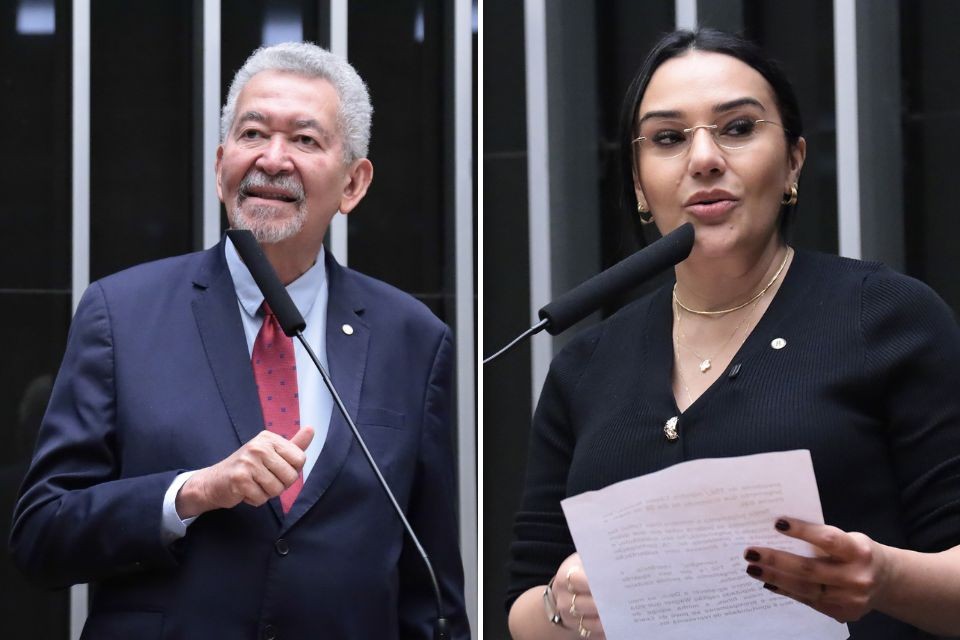
The Chamber of Deputies in Brazil has officially declared the loss of mandates for federal deputies Paulão (PT-AL) and Dayany Bittencourt (União-CE). This action follows decisions by the Superior Electoral Court (TSE) and the Electoral Court of Alagoas, which mandated a recalculation of votes from the 2022 general elections. The changes were published in an extraordinary edition of the Chamber's Official Gazette on Thursday, May 9, and did not require a floor vote. Nivaldo Albuquerque (Republicanos-AL) will assume Paulão's seat, and Priscila Costa (PL-CE) will take over from Bittencourt. These shifts are a result of vote 'retotalization,' a process where the Electoral Justice recalculates seat distribution after certain votes are invalidated. Paulão's mandate was affected by the annulment of 24,700 votes for João Catunda (PP), who was found to have financed campaign materials with funds from the Maceió Health Union, an act deemed illicit vote-buying. The exclusion of these votes altered the electoral quotient and seat allocation in Alagoas. Similarly, Dayany Bittencourt lost her position after the TSE nullified votes for substitute candidate Heitor Freire (União Brasil-CE). Freire was disqualified due to illicit fundraising and spending from the Campaign Financing Special Fund. The subsequent retotalization of votes in Ceará changed the distribution of federal deputy seats and the composition of the state's delegation in the Chamber. These administrative changes formalize judicial decisions, confirming that the deputies did not lose their mandates due to a conviction or a political decision by the Chamber, but rather due to a revised electoral outcome.
The officialization of these mandate losses highlights the intricate and often opaque nature of proportional representation systems in electoral democracies. The process of 'retotalization' underscores how judicial intervention, based on campaign finance regulations and vote validity, can significantly alter legislative composition post-election. This mechanism, while intended to ensure fairness and adherence to electoral law, can lead to outcomes where elected representatives are replaced not through direct voter choice in a new election, but through administrative adjustments stemming from prior legal rulings. Such events raise questions about the stability of legislative bodies and the clarity of electoral processes for the public. Future electoral reforms might consider mechanisms to provide greater certainty and transparency, potentially mitigating the impact of retroactive judicial adjustments on democratic representation and public trust.
AI-generated to prompt reflection — not editorial opinion, not advice, not a statement of fact. How this works.