Two brothers arrested in Brazil for threatening pregnant, disabled ex-partner
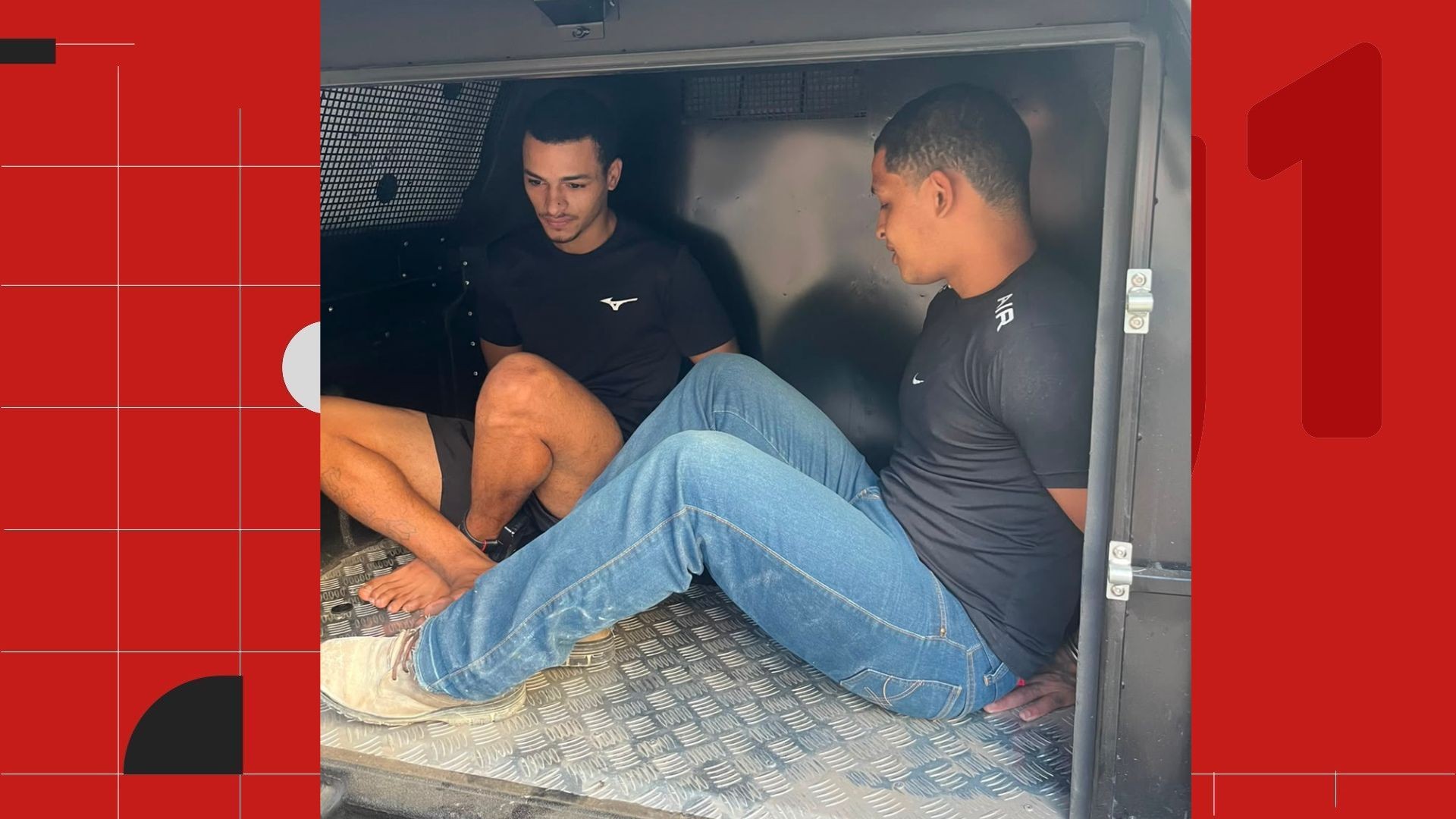
Two brothers, Rafael Oliveira Correia and Diogo Oliveira Correia, have been arrested in Espírito Santo, Brazil, on charges of threatening their victim. The victim, who is a wheelchair user and was eight months pregnant at the time of the incidents, is the ex-partner of Rafael. The brothers had previously been arrested and released under court-ordered protective measures, including electronic monitoring and a restraining order prohibiting them from approaching the victim within 100 meters. However, according to the Civil Police, shortly after their release, both brothers violated these orders by seeking out the woman. Rafael is specifically accused of threatening the victim with death. Video surveillance footage from Presidente Kennedy corroborated the police's claim that the brothers had violated the distance order. The case is considered particularly serious due to the victim's vulnerability as a pregnant woman with a disability. Following the violation of protective measures and new threats, the Civil Police requested the brothers' preventive detention, which was granted by the court. The brothers were taken into custody and are awaiting further legal proceedings.
This case highlights the critical challenge of enforcing judicial protective orders, particularly when repeat offenders disregard court mandates. The escalation from previous arrests to renewed threats against a vulnerable victim underscores systemic issues in offender rehabilitation and victim protection protocols. The legal framework's response, a preventive detention, aims to address immediate safety concerns but raises questions about the long-term effectiveness of current measures in preventing recidivism. Future considerations should explore enhanced monitoring technologies and more robust psychological interventions for individuals subject to restraining orders, especially when domestic violence and threats against vulnerable populations are involved. The intersection of disability and pregnancy adds a layer of complexity, demanding specialized considerations within the justice system to ensure adequate safeguarding.
AI-generated to prompt reflection — not editorial opinion, not advice, not a statement of fact. How this works.