Two Child Deaths from Meningitis Confirmed in Brazil's Federal District in 2026
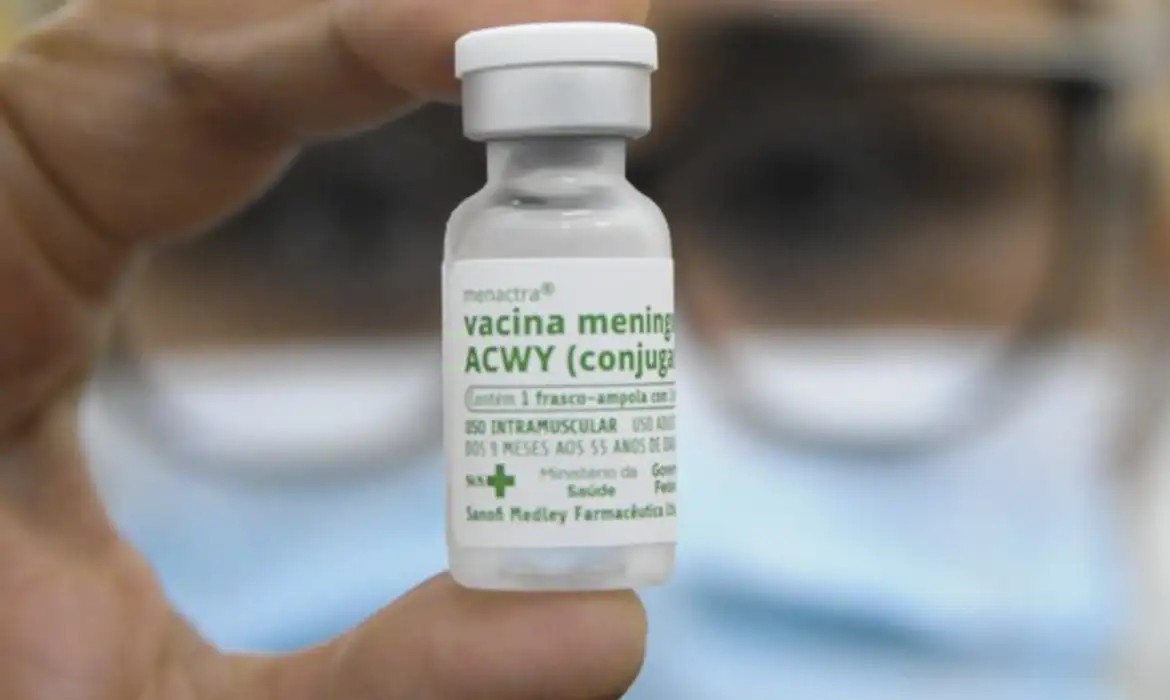
The Health Secretariat of Brazil's Federal District (DF) has confirmed two child fatalities due to meningitis in 2026. The affected children were between 1 and 4 years old. Health officials stated that the number of reported cases aligns with the expected pattern and is under continuous monitoring by the Epidemiological Surveillance unit. The Secretariat also emphasized that there is no ongoing meningitis outbreak in the DF. Meningitis is an inflammation of the membranes surrounding the central nervous system, potentially caused by microorganisms, allergies, cancer, or other factors. It carries a high mortality rate and can lead to severe sequelae such as deafness, loss of motor function, and neurological damage. Children are the most vulnerable age group, requiring at least six months of follow-up care post-illness. Transmission occurs through respiratory droplets from an infected individual, via coughing, sneezing, or secretions. The primary method of prevention is vaccination, which is available through the public health system. The DF reports a vaccination coverage rate of nearly 90% for children. The public health system offers several vaccines, including meningococcal (conjugate) for serogroup C, pneumococcal 10-valent, and pentavalent vaccines, which protect against various strains and invasive diseases including meningitis.
The confirmation of child meningitis deaths in Brazil's Federal District highlights the persistent public health challenge posed by this disease, even with established vaccination programs. While the Secretariat asserts cases are within expected parameters and denies an outbreak, the fatalities underscore the critical importance of maintaining high vaccination coverage. The data indicates near 90% coverage, which, while substantial, may not be sufficient to achieve herd immunity against all meningococcal strains, especially given the disease's severity and potential for lasting sequelae. Future public health strategies should consider not only the efficacy of available vaccines but also the accessibility and uptake across all demographics to further mitigate risks, particularly for the most vulnerable populations. Continued vigilance and robust epidemiological monitoring remain essential to identify and respond to any deviations from expected disease patterns.
AI-generated to prompt reflection — not editorial opinion, not advice, not a statement of fact. How this works.