Two Children Born Despite Lacking Home, Car, or Savings
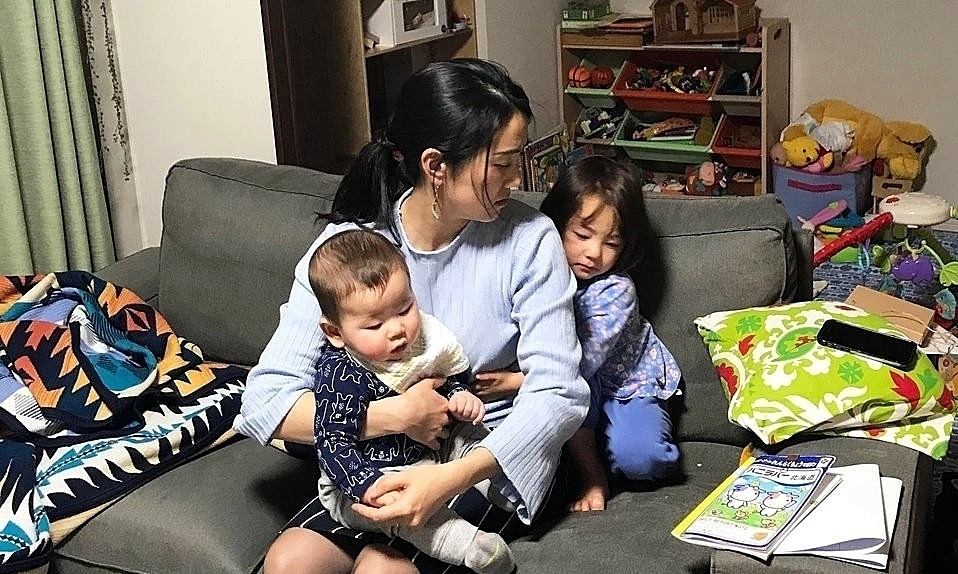
A Vietnamese individual has chosen to have two children despite not owning a home, a car, or having any savings. The decision was made with the belief that waiting for ideal financial conditions would likely result in never having children. This perspective highlights a willingness to embrace parenthood without meeting conventional benchmarks of financial security. The individual's statement suggests a prioritization of family building over material wealth accumulation. This approach challenges common societal expectations that link financial stability to the decision of starting a family. The choice to have children under these circumstances underscores a different set of values and priorities. It implies a belief in overcoming financial challenges as a family unit rather than delaying family formation until all financial prerequisites are met. The situation raises questions about societal definitions of readiness for parenthood.
This narrative presents a personal choice to prioritize family expansion over the accumulation of traditional markers of financial security like homeownership, vehicle acquisition, or savings. The underlying sentiment suggests a potential societal pressure or personal conviction that equates financial preparedness with delaying or foregoing parenthood. From a systemic perspective, this decision might reflect an individual's risk tolerance or a belief in the inherent value of family irrespective of economic circumstances. It prompts consideration of how societal norms around financial readiness for child-rearing influence demographic trends and individual life choices. The long-term implications for both the family and the broader economy, particularly in contexts with limited social safety nets, warrant further examination of support structures for families prioritizing immediate growth over deferred financial stability.
AI-generated to prompt reflection — not editorial opinion, not advice, not a statement of fact. How this works.