Two-Day-Old Infant Rescued from Choking Incident by Military Police in Barra Mansa
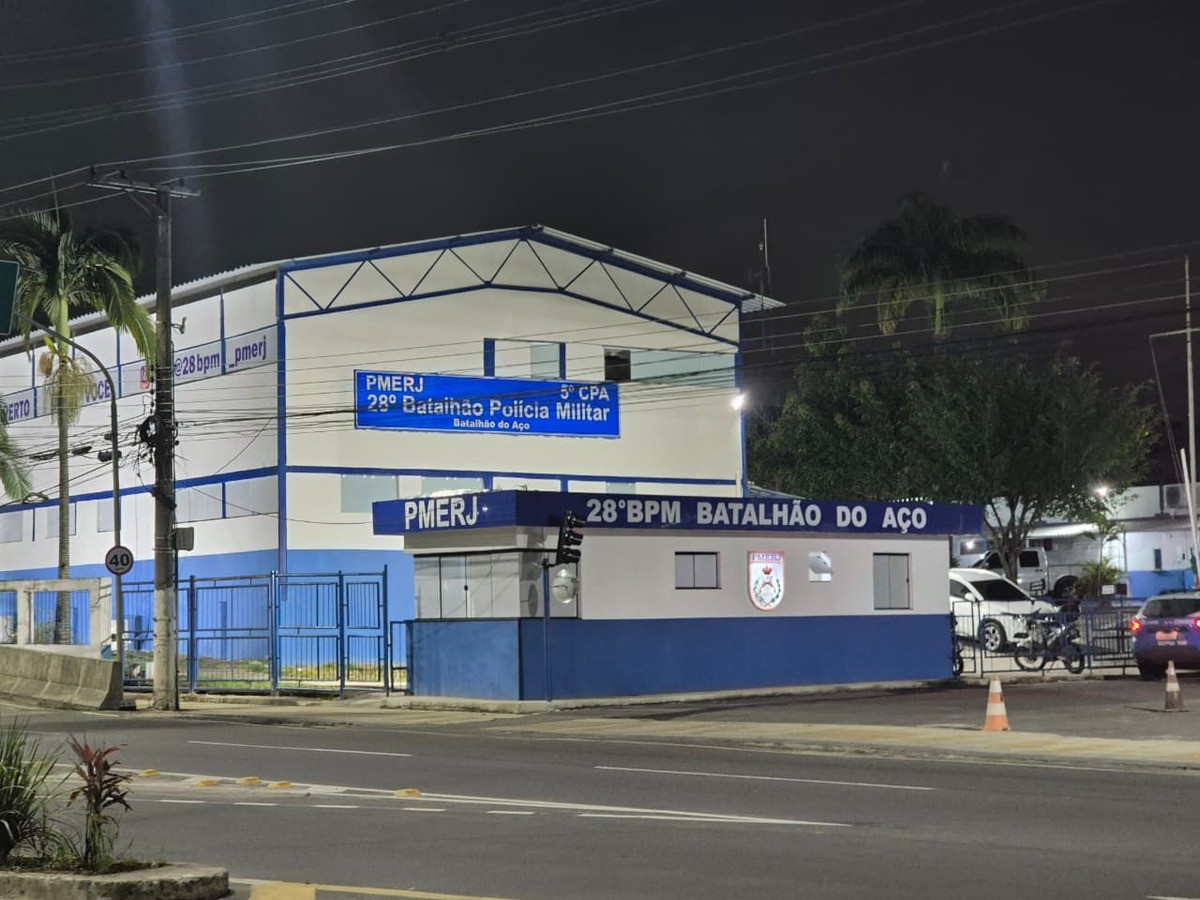
A two-day-old newborn was saved from a choking incident by military police officers on Monday, November 6th, in Barra Mansa, Rio de Janeiro. The incident occurred on Rua Major José Bento in the Vila Nova neighborhood. The baby's father alerted the police, reporting that the infant was showing signs of choking. Responding officers from the 28th Military Police Battalion performed an airway obstruction clearing maneuver, a first aid procedure for asphyxiation caused by blocked airways. Following the intervention, the newborn was transported to Santa Casa hospital for necessary medical attention. The news outlet is awaiting an update on the infant's condition from the medical facility. The article also provides general information about choking, explaining it happens when food or objects enter the wrong passage during swallowing, potentially blocking the trachea and preventing breathing. It emphasizes that choking is an emergency requiring rapid action to prevent fatal asphyxiation or temporary loss of consciousness. The text details first aid procedures, including the Heimlich maneuver for adults and children, and specific techniques for infants, stressing that these interventions are for conscious individuals. For unconscious victims or if initial attempts fail, immediate emergency medical services are crucial.
This incident highlights the critical role of rapid emergency response in infant health crises. The swift action by military police, employing established first aid protocols, averted a potentially tragic outcome. The event underscores the importance of public awareness and training in basic life support techniques, as demonstrated by the inclusion of detailed instructions on managing choking incidents for both infants and adults. From a systemic perspective, such events reinforce the need for accessible and well-trained emergency services, particularly in areas where immediate medical facilities may be distant. The promptness of the police intervention, triggered by the father's call, showcases the effectiveness of community-police partnerships in safeguarding vulnerable populations. Future considerations could involve enhancing community-based first aid education programs to empower more individuals to respond effectively in similar emergencies.
AI-generated to prompt reflection — not editorial opinion, not advice, not a statement of fact. How this works.