Two Days of Rain Expose NCR Cities' Poor Preparedness
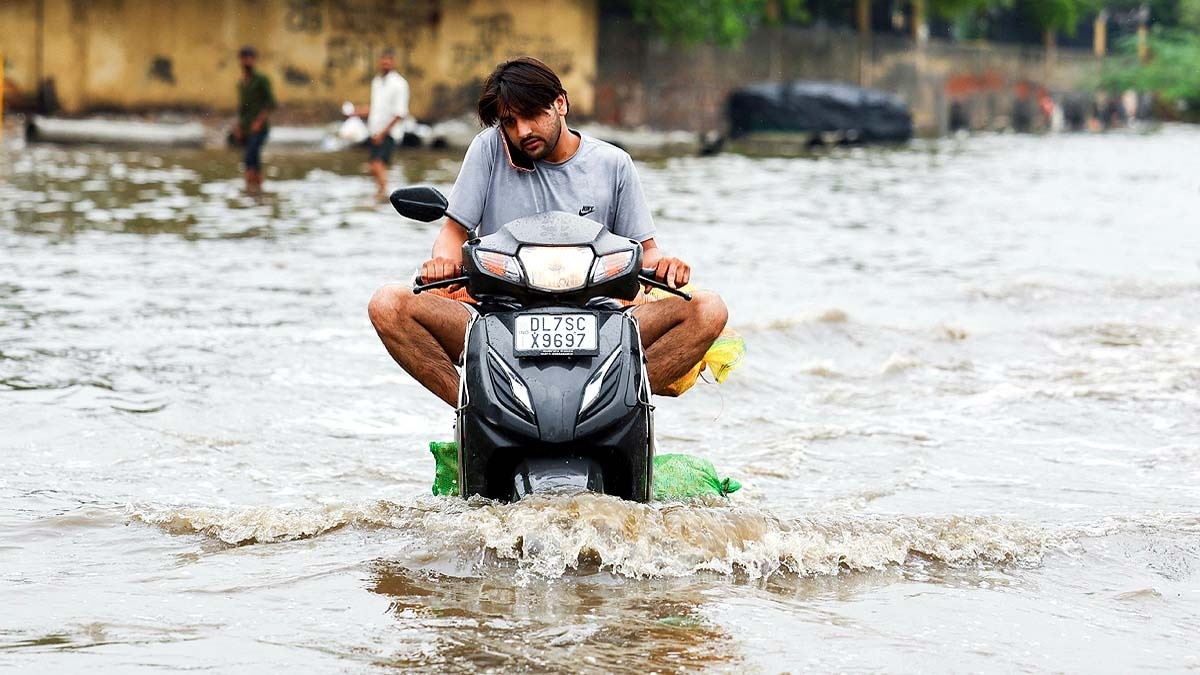
Two days of heavy rainfall have revealed the inadequate preparedness of cities within the National Capital Region (NCR), including Noida, Gurugram, and Ghaziabad. The torrential downpour led to widespread waterlogging, severe traffic jams, and fallen trees, causing significant disruption to daily life. These issues highlight a clear deficiency in the existing drainage systems of these urban areas. The situation underscores a recurring problem where infrastructure struggles to cope with even moderate rainfall, impacting residents and essential services. The extent of the disruption suggests that previous measures or maintenance efforts have been insufficient to handle such weather events. The cities' inability to manage the consequences of the rain points to a need for urgent review and upgrade of their urban planning and infrastructure management strategies. Residents experienced considerable inconvenience and delays due to the widespread flooding and traffic chaos. The fallen trees also posed safety risks and further complicated rescue and relief efforts. This event serves as a stark reminder of the vulnerability of urban infrastructure to climate-related challenges.
The recent heavy rainfall in NCR cities like Noida, Gurugram, and Ghaziabad has exposed a systemic vulnerability in urban infrastructure and disaster preparedness. The widespread waterlogging and traffic disruptions indicate that drainage systems are not designed to handle the current intensity of precipitation, possibly exacerbated by climate change impacts and rapid urbanization. This recurring failure suggests a gap between development planning and the actual resilience of public works. Future urban planning must integrate more robust, climate-resilient drainage solutions and proactive maintenance schedules. The governance challenge lies in prioritizing infrastructure upgrades that anticipate extreme weather events, rather than reacting after failures occur, ensuring the long-term livability and safety of these rapidly growing metropolitan areas.
AI-generated to prompt reflection — not editorial opinion, not advice, not a statement of fact. How this works.