Two Dead After Ambulance Crashes into Truck in Poço Redondo, Sergipe
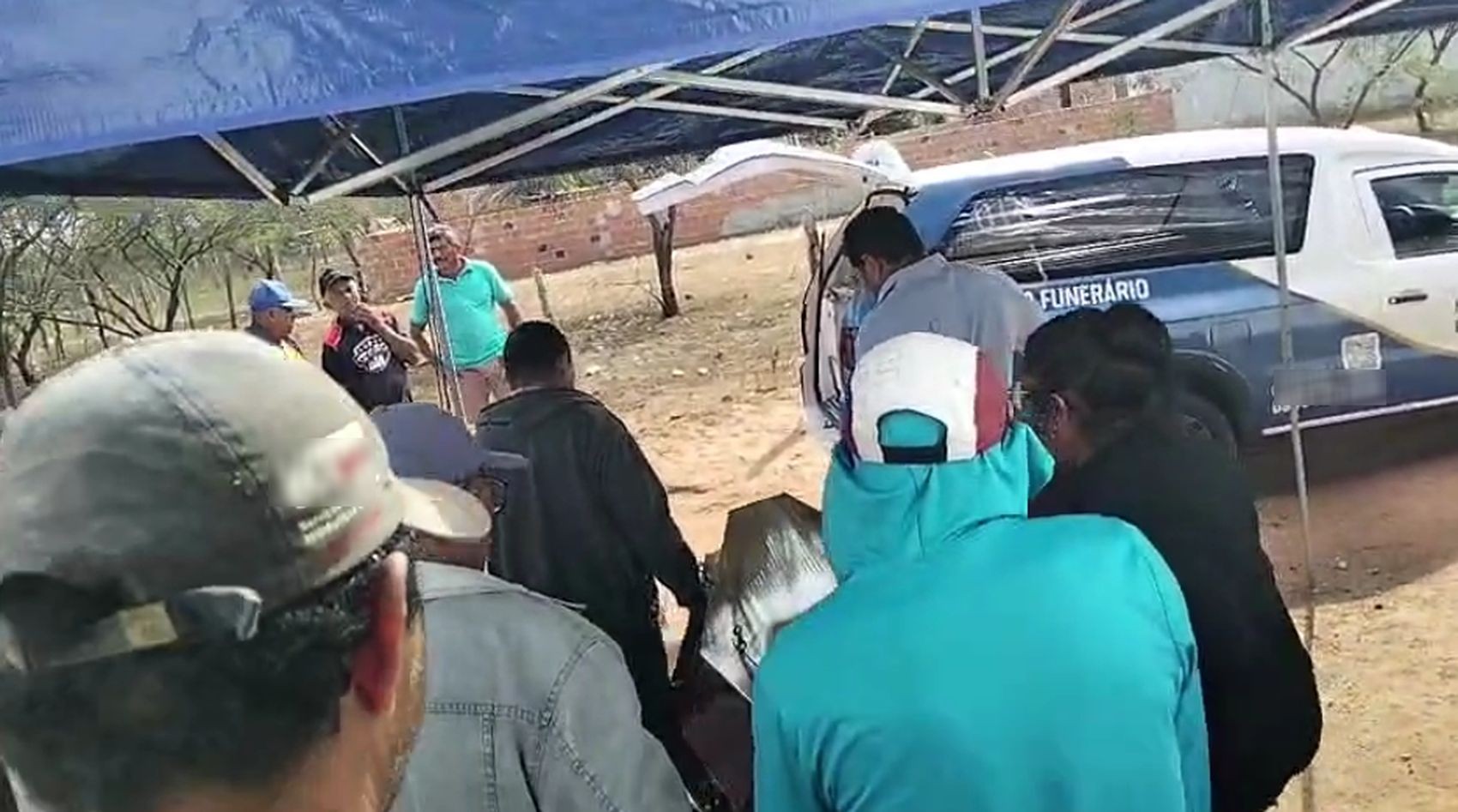
Friends and family are mourning the loss of José Bemvindo da Silva, 74, a patient who died in a collision between an ambulance and a truck in Poço Redondo, Sergipe. The accident occurred early Friday morning, May 31st, as Mr. da Silva, a resident of Canindé, was being transferred. He had been hospitalized for cardiac issues and was traveling with his son, who survived the crash. The ambulance reportedly swerved to avoid a cow on the road, striking a truck carrying masonry blocks and then overturning. The impact also sent the truck and the cow off the road. Also killed in the crash was nurse Maria Eulália Vieira da Silva, 58, who had worked for the Sergipe Health Foundation for over 16 years and also served the health secretariat in Delmiro Gouveia, Alagoas. Her burial is scheduled for Saturday afternoon in Delmiro Gouveia. Three other Samu (mobile emergency service) professionals were in the ambulance, and three people were in the truck. The truck occupants were treated at a local health unit. The ambulance driver, Aelmo Santos da Graça, is in unstable condition with a suspected spinal shock and fractured knee, hospitalized at Huse. Nurse Hanalice da Silva Andrade is stable and transferred to Hospital São Lucas in Aracaju. Doctor Luis Felipe Soares is stable and hospitalized at Hospital São Lucas. The patient's son was treated at the scene and released. The three truck occupants, aged 39, 32, and 40, sustained injuries ranging from a thigh cut to abrasions and were treated locally or hospitalized depending on severity.
This tragic accident highlights the inherent risks in emergency medical transport, particularly in rural areas where unexpected obstacles like livestock on roadways can have devastating consequences. The incident underscores the critical need for robust infrastructure and traffic management protocols to mitigate such dangers. It also brings into focus the systemic pressures on emergency services, including staffing levels and the condition of vehicles, which are essential for patient safety during transfers. Examining the chain of events reveals vulnerabilities in road safety that extend beyond typical traffic concerns, prompting a review of how to better protect both patients and healthcare providers in transit.
AI-generated to prompt reflection — not editorial opinion, not advice, not a statement of fact. How this works.