Two Dead After Canopy Collapses on Outdoor Diners in Portalegre, Brazil
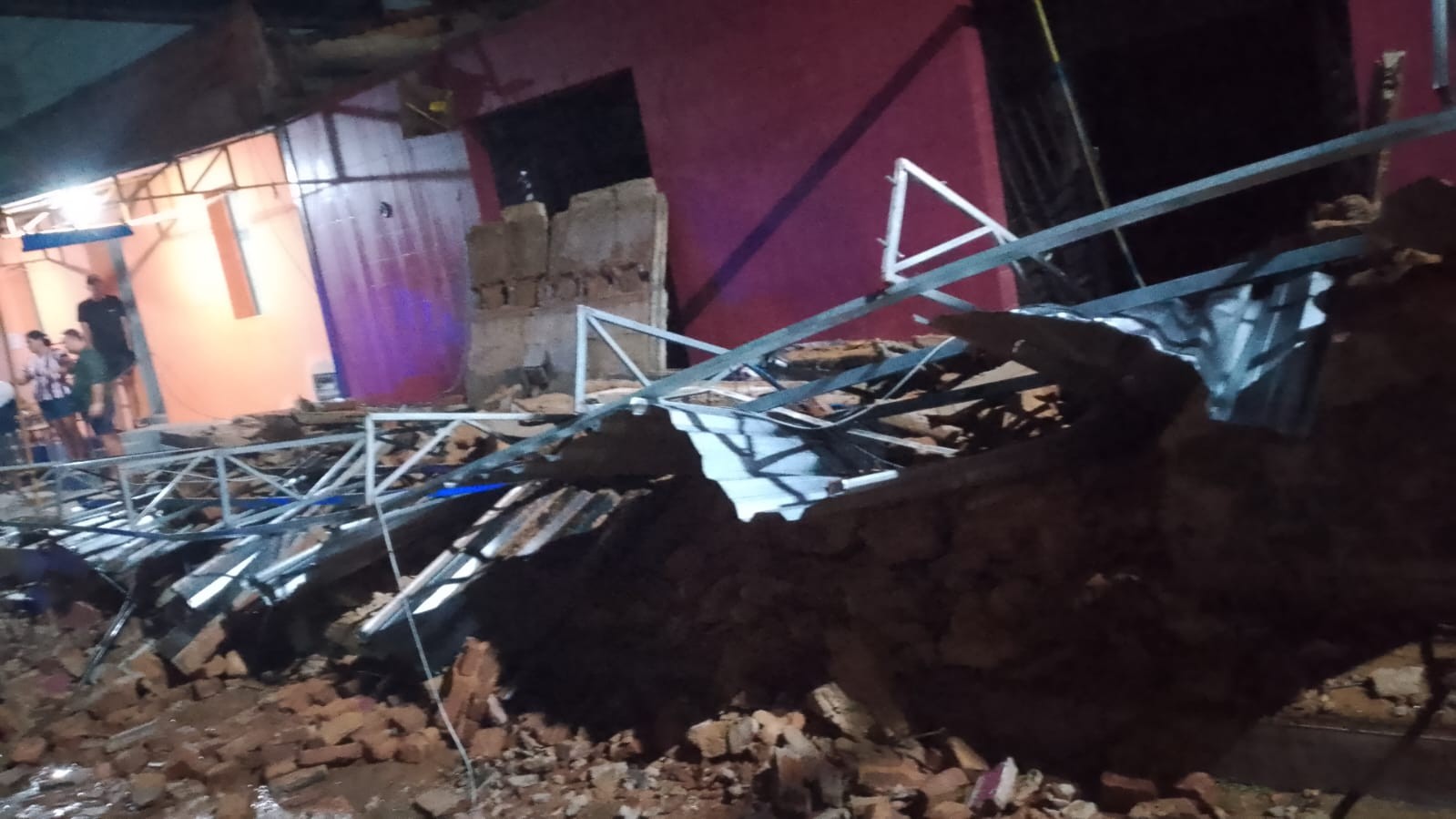
Two individuals, identified as 30-year-old José Janderson Alves da Silva and 35-year-old Wallison Faustino da Silva Rocha, died when a canopy collapsed at a beverage store in Portalegre, located in the Alto Oeste region of Rio Grande do Norte, Brazil. The incident occurred on Thursday night, November 23rd. According to Military Police Sergeant Genilson Ferreira, both victims were customers seated at a sidewalk table when the structure, which included a metal component, gave way. A store employee working at the time was unharmed. Emergency services, including the Military Fire Department, Military Police, and the Mobile Emergency Care Service (Samu), responded to the scene. Firefighters from Pau dos Ferros extricated the men from the debris and secured the area for rescue and forensic teams. The victims were pronounced dead at the scene. For safety reasons, electricity was cut off in the vicinity during the emergency response. The cause of the collapse is under investigation. The municipal Civil Defense stated that a structural assessment of the building is scheduled for Friday morning, November 24th. While recent rainfall of 35mm in the city may have contributed to the collapse, officials have not yet confirmed it as the direct cause.
This tragic event highlights critical infrastructure maintenance and public safety concerns, particularly for structures supporting public spaces. The collapse of the canopy, potentially exacerbated by weather conditions, underscores the need for robust building codes and regular inspections, especially for commercial establishments with outdoor seating. Future considerations should include proactive risk assessments for aging infrastructure in areas prone to heavy rainfall, ensuring that building materials and design can withstand environmental stressors. This incident serves as a stark reminder of the potential consequences when structural integrity is compromised, emphasizing the importance of regulatory oversight and responsible property management to prevent similar occurrences and safeguard public well-being.
AI-generated to prompt reflection — not editorial opinion, not advice, not a statement of fact. How this works.