Two Dead in Greece Following Mid-Air Collision of Australian Firefighting Helicopters
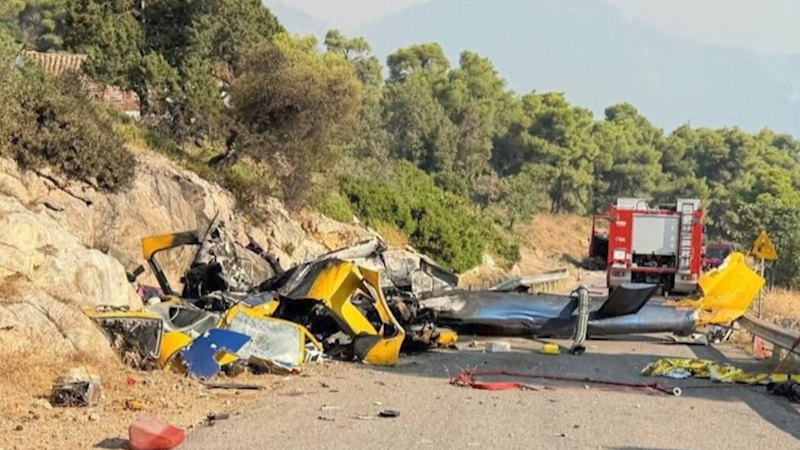
A tragic mid-air collision involving two firefighting helicopters in Greece has resulted in the deaths of two individuals. The helicopters were reportedly owned by an Australian company that provides aerial firefighting services. The incident occurred in Greece, a country that frequently relies on aerial support to combat wildfires, especially during its hot and dry summer months. The specific circumstances leading to the collision are not yet detailed, but the loss of life and equipment highlights the inherent risks associated with aerial firefighting operations. Investigations into the cause of the crash are expected to follow, aiming to prevent similar future accidents. The Australian company involved has not been publicly identified, nor have the nationalities of the deceased.
This event underscores the critical role of aerial firefighting in managing large-scale blazes, particularly in regions prone to intense fire seasons. The collision serves as a stark reminder of the dangers faced by pilots and crews operating in challenging conditions. Authorities in Greece will likely review safety protocols and operational procedures for aerial firefighting units to ensure maximum safety for all personnel involved.
This incident tragically underscores the high-risk nature of aerial firefighting operations, particularly in regions susceptible to severe wildfires. The mid-air collision of two helicopters owned by an Australian company in Greece highlights the complex operational environment and the potential for catastrophic failure even with experienced crews. Moving forward, a thorough investigation will be crucial to identify systemic factors contributing to the accident, such as air traffic management protocols, communication procedures, or operational fatigue. The findings should inform enhanced safety standards and training regimens for aerial firefighting units globally, ensuring that the vital service provided does not come at an unacceptable human cost. The focus should be on improving coordination and risk mitigation strategies within the industry to prevent future tragedies.
AI-generated to prompt reflection — not editorial opinion, not advice, not a statement of fact. How this works.
