Two Dead, Several Injured as Pilgrim Bus Overturns in Ceará, Brazil
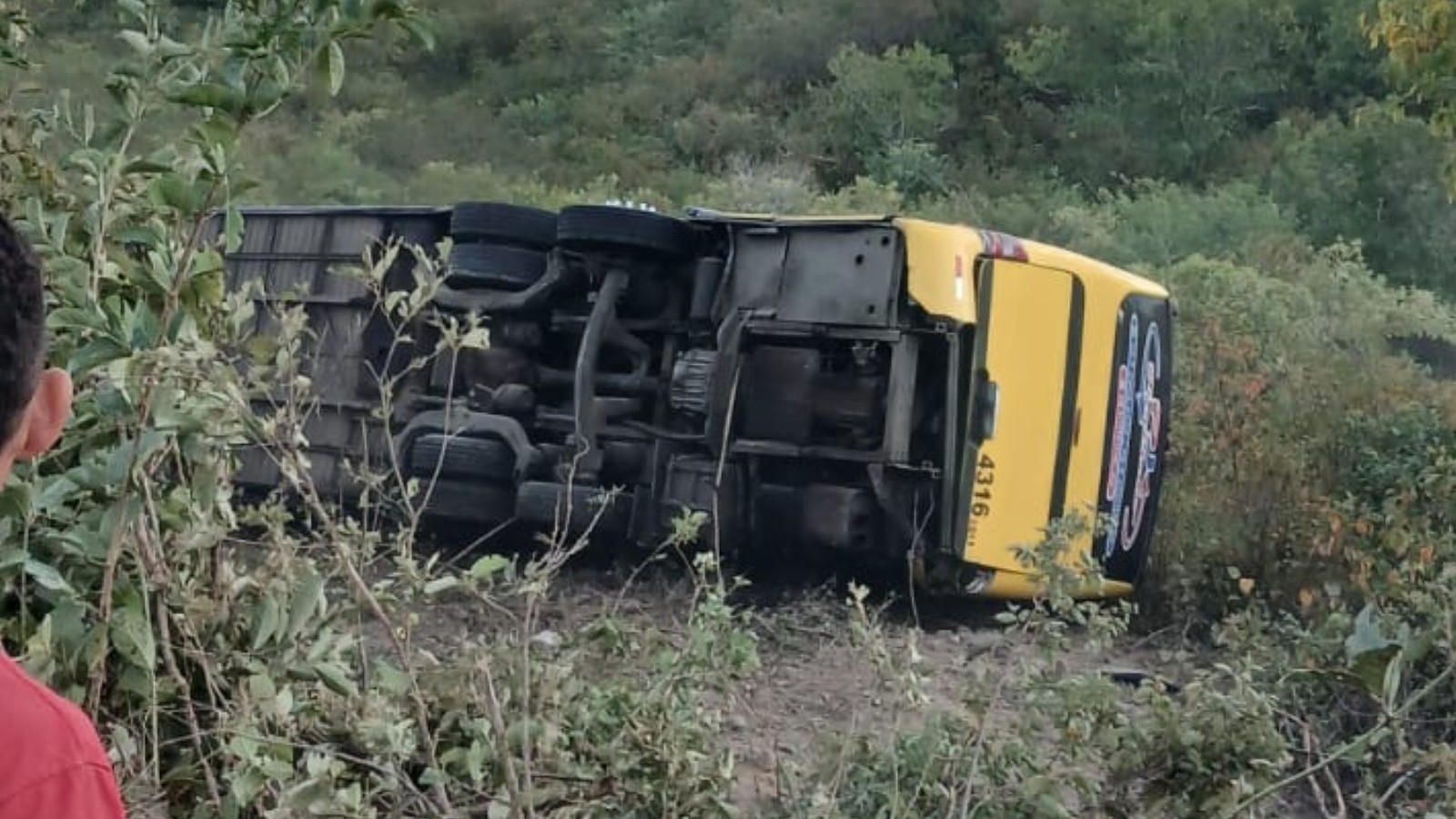
A bus carrying over 40 pilgrims overturned on the CE-456 highway in Juá, a rural area of Canindé, Ceará, Brazil, on Saturday morning, resulting in two fatalities and numerous injuries. According to the Fire Department, witnesses reported that the vehicle lost control, veered off the road, and rolled over on the roadside. The impact trapped several passengers, including children, in the wreckage, with some sustaining amputated limbs. Multiple Fire Department teams from Canindé, Baturité, and Quixadá are actively engaged in rescuing passengers. The exact number of victims and their health conditions are still being assessed by rescue teams, with regional emergency services mobilized to assist. Survivors are being transported to the São Francisco Regional Hospital in Canindé. This incident marks the second fatal bus accident in Ceará within a month. On June 15, a bus carrying a basketball team crashed, killing seven athletes and injuring over 30 in Tauá. The bus in that earlier incident was en route back to Juazeiro do Norte after a championship tournament in Sobral. The driver in the Tauá accident claimed to have lost control while attempting to avoid an animal on the road, a version under police investigation.
This tragic event highlights recurring safety vulnerabilities in intercity and inter-regional transportation, particularly concerning vehicles carrying large groups on potentially hazardous routes. The repeated nature of such accidents within a short timeframe in Ceará suggests potential systemic issues, possibly related to road infrastructure, vehicle maintenance standards, driver fatigue, or adherence to traffic regulations. While the specific cause of the Canindé crash is under investigation, the mention of a previous incident involving a driver swerving to avoid an animal points to the need for improved road safety measures, including better signage, animal control, and potentially advanced driver-assistance systems. Future efforts should focus on comprehensive risk assessments for passenger transport, enhanced regulatory oversight, and public awareness campaigns to mitigate the likelihood of such devastating incidents.
AI-generated to prompt reflection — not editorial opinion, not advice, not a statement of fact. How this works.