Two Deaths Linked to Legionella Outbreak in Berlin: Understanding Symptoms and Risks
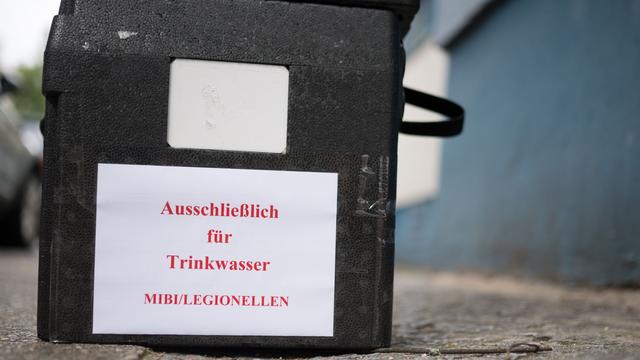
Berlin is currently experiencing a Legionella outbreak that has tragically resulted in two fatalities. Legionella bacteria, which can cause Legionnaires' disease, are a serious concern for public health. This outbreak highlights the potential dangers associated with contaminated water systems. Legionnaires' disease is a severe form of pneumonia that can be fatal if not treated promptly. Symptoms typically include high fever, cough, chest pain, and shortness of breath. The bacteria thrive in warm, stagnant water, making sources like cooling towers, hot water systems, and spas potential breeding grounds. Public health officials are investigating the source of the contamination to prevent further spread. The city is working to identify and address the specific locations where the bacteria may have proliferated. Awareness of the symptoms and risks associated with Legionella is crucial for early detection and treatment. This incident underscores the importance of maintaining water systems to prevent such outbreaks.
This Legionella outbreak in Berlin, resulting in two deaths, necessitates a review of municipal water system maintenance protocols. The presence of Legionella bacteria, which proliferate in inadequately managed water infrastructure, poses a significant public health risk. Future prevention strategies should focus on robust monitoring and regular disinfection of communal water sources, particularly in densely populated urban environments. Examining the specific vulnerabilities within Berlin's water systems, such as aging infrastructure or insufficient temperature controls, could inform broader public health policy. Ensuring compliance with established guidelines for water quality management is paramount to mitigating the recurrence of such preventable tragedies and safeguarding resident well-being.
AI-generated to prompt reflection — not editorial opinion, not advice, not a statement of fact. How this works.