Two Elderly Individuals Fatally Attacked in Western Bahia, Brazil
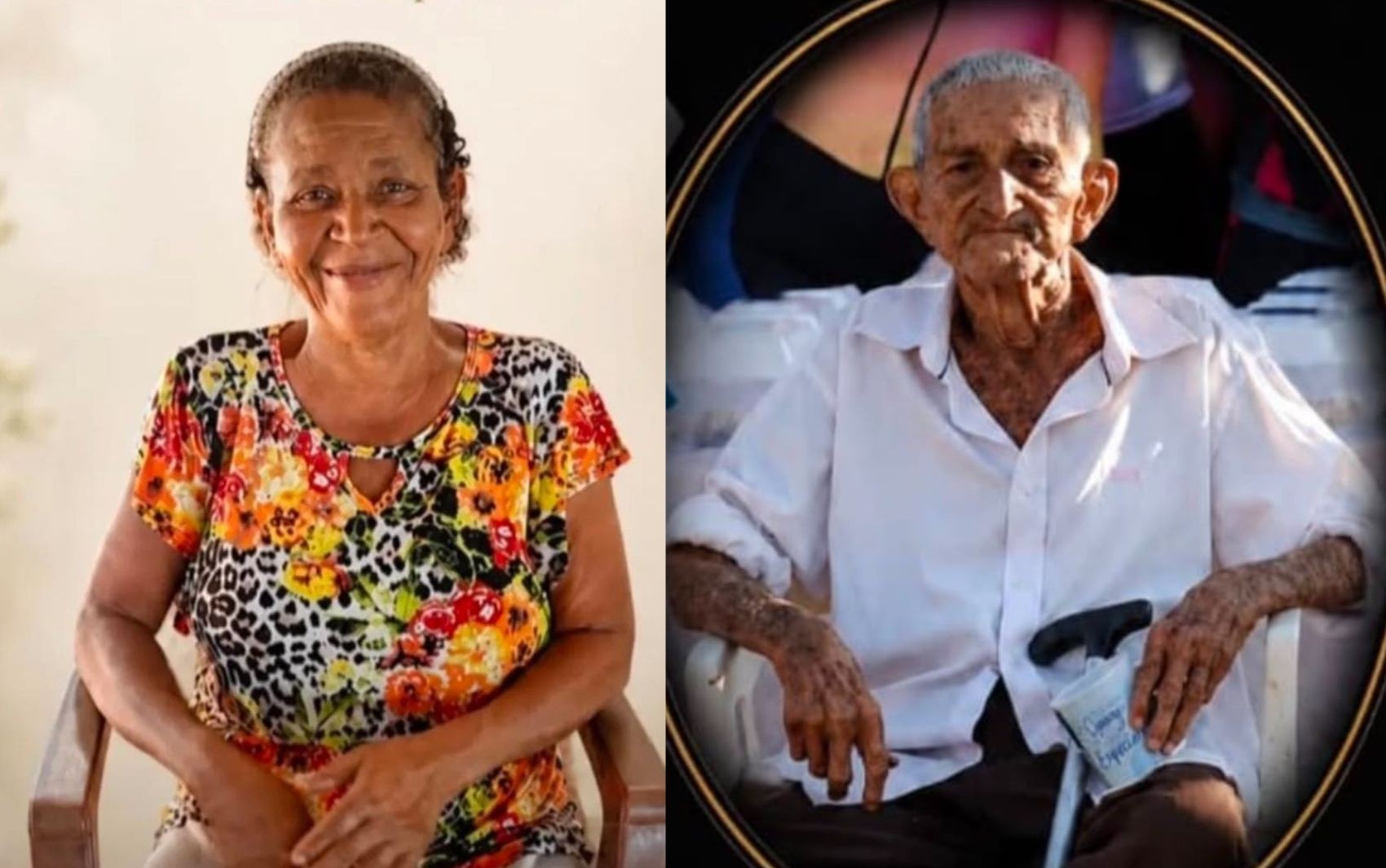
Two elderly individuals have died following separate violent attacks in the western region of Bahia, Brazil. The incidents occurred between Saturday, July 11th, and Sunday, July 12th. In Coribe, a 71-year-old woman, Veronice Batista dos Santos, was killed with a sickle, and a 75-year-old man was injured. The suspect in this case, a 55-year-old man, reportedly confessed that the attack stemmed from disputes over inherited land division. He also allegedly set fire to pastureland on a neighboring farm before being subdued by residents and handed over to the police. He was initially taken to a health unit for treatment of his own injuries and later presented to the police. In Barreiras, a 96-year-old man, Adjalino Avelino Barreto, died on Sunday after being hospitalized for days due to injuries sustained during an attempted home invasion and robbery on June 25th. His daughter found him severely injured, and he managed to tell her that two masked men had entered his home, assaulted him, and fled. The house was ransacked. The case in Barreiras is being investigated as latrocínio, which is robbery followed by death. No suspects have been arrested in either case, and both incidents are under investigation by the Civil Police.
These tragic events highlight vulnerabilities within rural communities regarding personal security and the potential for escalation of disputes. The incidents underscore the critical need for effective law enforcement presence and community safety initiatives in remote areas. The motivations cited, including land disputes and robbery, point to underlying socio-economic pressures that may contribute to such violence. Addressing these root causes through improved land management policies and economic development programs could be crucial in preventing future occurrences. Furthermore, the response to the Coribe incident, where residents intervened and subdued the suspect, demonstrates the importance of community vigilance, while the subsequent transfer to a health unit and then police custody reflects established legal protocols for handling suspects, particularly those who may be injured or at risk.
AI-generated to prompt reflection — not editorial opinion, not advice, not a statement of fact. How this works.