Two former police officers to face trial for lawyer's murder in Fortaleza
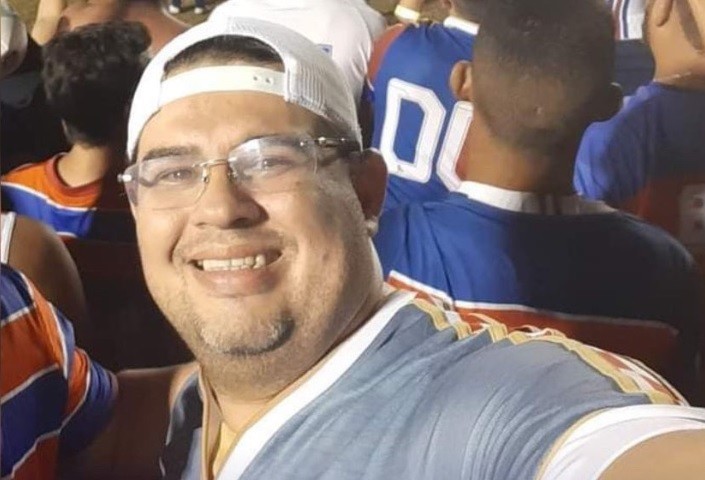
Two former military police officers, Glauco Sérgio Soares do Bonfim and José Luciano Souza de Queiroz, are scheduled to go to trial on July 30th for the murder of lawyer Francisco Di Angellis Duarte de Morais. The crime occurred on May 6, 2023, when the lawyer was shot and killed outside his home in Fortaleza. The prosecution alleges that the former officers, acting on behalf of a businessman, carried out the assassination. The businessman, Ernesto Wladimir de Oliveira Barroso, had been accused of ordering the murder after a series of news articles published by a portal Di Angellis worked for questioned his honesty in acquiring his wealth. Initially, Di Angellis reportedly demanded R$1.5 million to remove the content, and an agreement was reached for R$800,000. The prosecution claims the former officers installed a tracker on the victim's car prior to the murder to monitor his movements. However, the court decided not to bring the businessman to trial, citing insufficient evidence to link him directly to the crime and establish robust grounds for a popular jury trial. The court noted a lack of direct communication between the businessman and the accused former officers. The two ex-officers, who have prior criminal records including firearm offenses and other violent crimes, were formally indicted for qualified homicide and criminal association in May 2025. Their defense initially appealed this decision but later withdrew the appeal, leading to the current trial date.
This case highlights the complex interplay of alleged extortion, media scrutiny, and criminal execution, with a notable divergence in judicial outcomes for the alleged orchestrator and the presumed perpetrators. The legal process has separated the businessman from the trial, emphasizing the burden of proof required to connect him directly to the alleged conspiracy and the former officers' actions. This outcome underscores the challenges in prosecuting individuals who may operate through intermediaries, particularly when direct communication or concrete evidence of involvement is lacking. Future legal frameworks may need to address how to more effectively prosecute individuals who allegedly instigate crimes through indirect means, balancing the need for robust evidence with the potential for sophisticated evasion tactics. The case also implicitly raises questions about the role of media in uncovering alleged financial impropriety and the potential risks faced by journalists and their associates.
AI-generated to prompt reflection — not editorial opinion, not advice, not a statement of fact. How this works.