Two Goiás Trails Recognized on Brazil's National Long-Distance Trail List
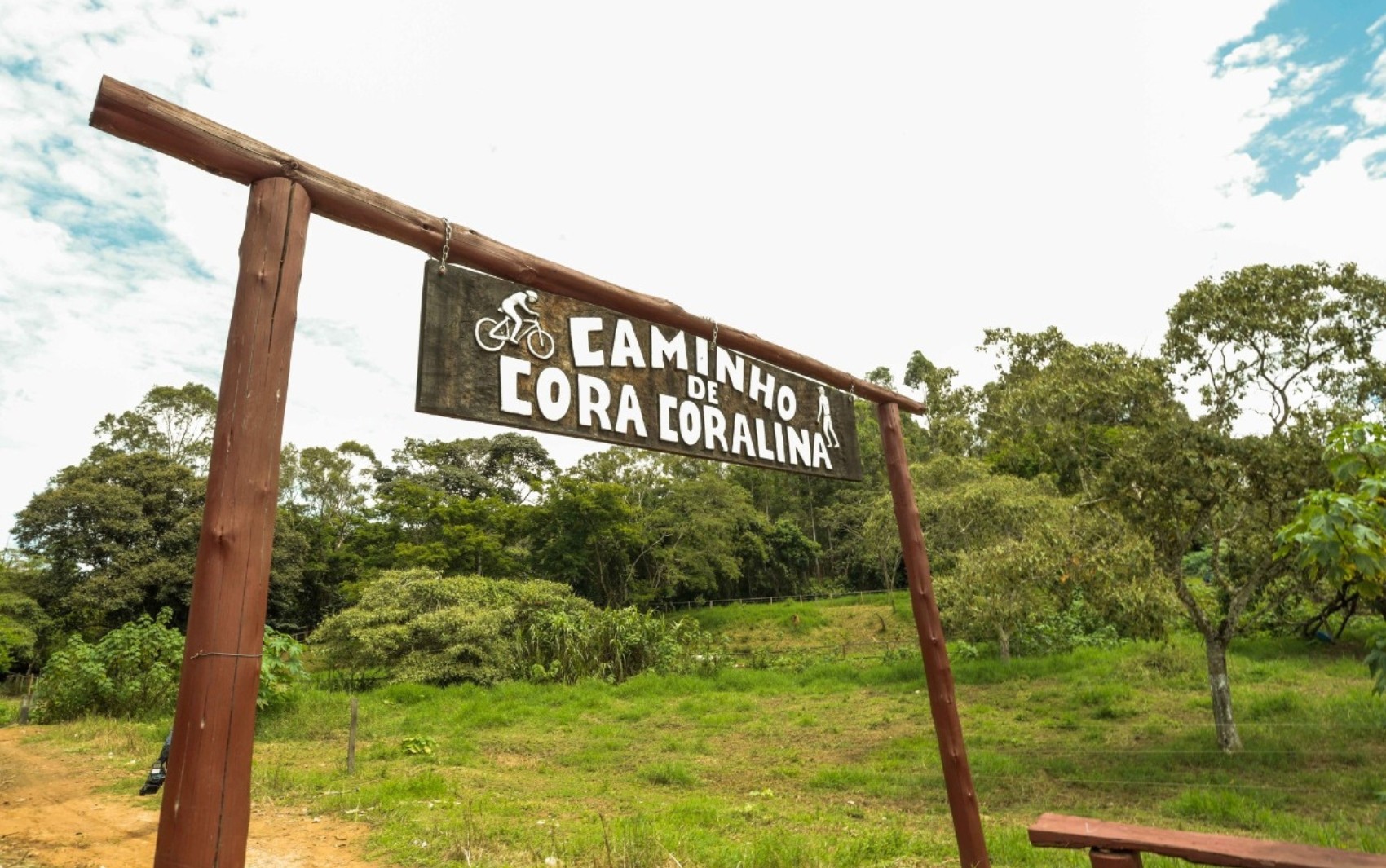
Goiás, Brazil, has two long-distance trails included in a national list of 205 such routes compiled by the Ministry of Tourism. These trails, the Caminho de Cora Coralina and the Caminho dos Veadeiros, are part of the National Network of Long-Distance and Connectivity Trails (RedeTrilhas) and aim to integrate ecotourism, cultural heritage, and environmental conservation. Long-distance trails (TLCs) require more than one day to complete and help preserve biodiversity by creating ecological corridors between conservation units. The Caminho de Cora Coralina spans approximately 300 kilometers, connecting Corumbá de Goiás to the historic Cidade de Goiás, passing through several other municipalities. This route honors the poet Cora Coralina, featuring around 60 plaques with her poems and historical information, and is considered the world's first long-distance poetry trail. It can be traversed on foot in about 15 days or by bicycle in five days, supported by local infrastructure and entrepreneurs. The Caminho dos Veadeiros, established in 2018, covers 483 kilometers for trekking and includes two cycling routes exceeding 400 kilometers each. Starting in Formosa, it winds through various towns, including those within the Chapada dos Veadeiros National Park. This trail focuses on nature tourism, trekking, and cycling, while also connecting conservation units and forming an ecological corridor in the Cerrado biome.
The inclusion of these two extensive trails in Brazil's national registry highlights a strategic governmental effort to formalize and promote long-distance trekking and cycling routes. This initiative appears designed to leverage natural and cultural assets for economic development, potentially creating new tourism economies in the regions traversed. The dual focus on ecotourism and cultural heritage, particularly the unique poetic theme of the Caminho de Cora Coralina, suggests a forward-thinking approach to destination branding that goes beyond conventional adventure tourism. By connecting protected areas, these trails also serve a critical ecological function, supporting biodiversity and landscape connectivity. Future challenges will likely involve ensuring sustainable management, equitable benefit distribution among local communities, and maintaining the integrity of both the natural environment and the cultural narrative as visitor numbers grow.
AI-generated to prompt reflection — not editorial opinion, not advice, not a statement of fact. How this works.
