Two Graffiti Artists Arrested for Vandalizing Aircraft at Santiago Airport
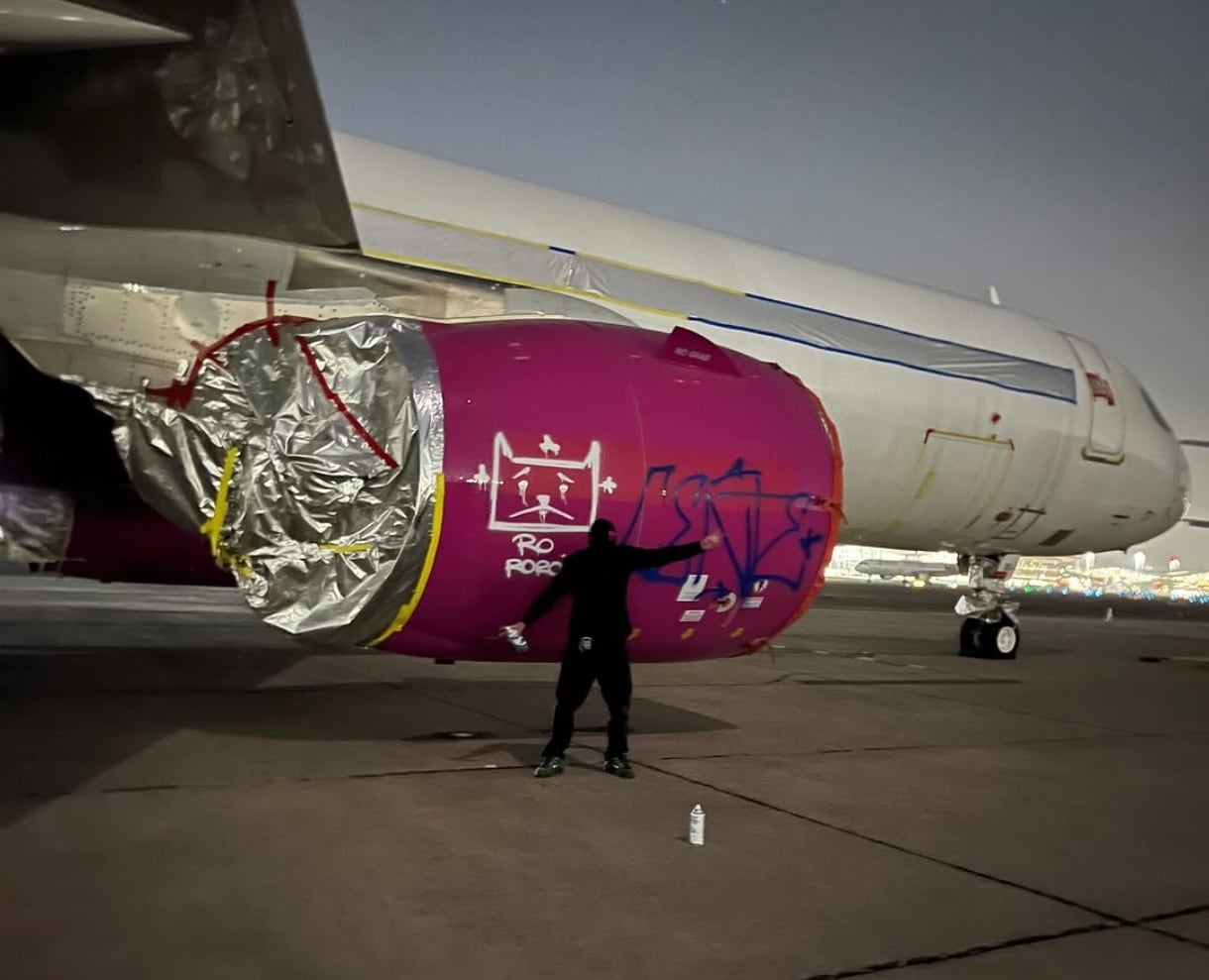
Detectives from the Secondary Inspection Department (PDI) in Santiago, Chile, have arrested two individuals for vandalizing an aircraft. The investigation, led by the PDI and the Pudahuel Prosecutor's Office, identified the suspects for violating the Aeronautical Code. The graffiti was applied to an aircraft that was parked at the airport and undergoing maintenance. This act constitutes a serious offense under Chilean aviation law. The PDI's swift action highlights the importance of security protocols at major transportation hubs. The arrested individuals will face legal proceedings for their actions. The incident underscores the potential risks associated with unauthorized access to airport facilities. Further details regarding the extent of the damage and the specific charges are expected to be released as the investigation progresses.
This incident highlights the intersection of artistic expression and aviation security regulations. While graffiti can be a form of public art, its application to operational aircraft, even during maintenance, poses significant risks. These include potential damage to sensitive surfaces, interference with maintenance logs, and the broader security implications of unauthorized access to airport infrastructure. The legal framework, such as the Aeronautical Code mentioned, is designed to prevent such actions to ensure flight safety and operational integrity. From a systemic perspective, this event may prompt a review of security measures and access controls within airport maintenance areas, particularly in light of evolving methods of unauthorized access and vandalism. The long-term implications involve balancing public access and artistic freedom with the stringent safety and security demands of the aviation industry.
AI-generated to prompt reflection — not editorial opinion, not advice, not a statement of fact. How this works.