Two head-on collisions on Araguari highways within 10 hours result in one fatality and two injuries
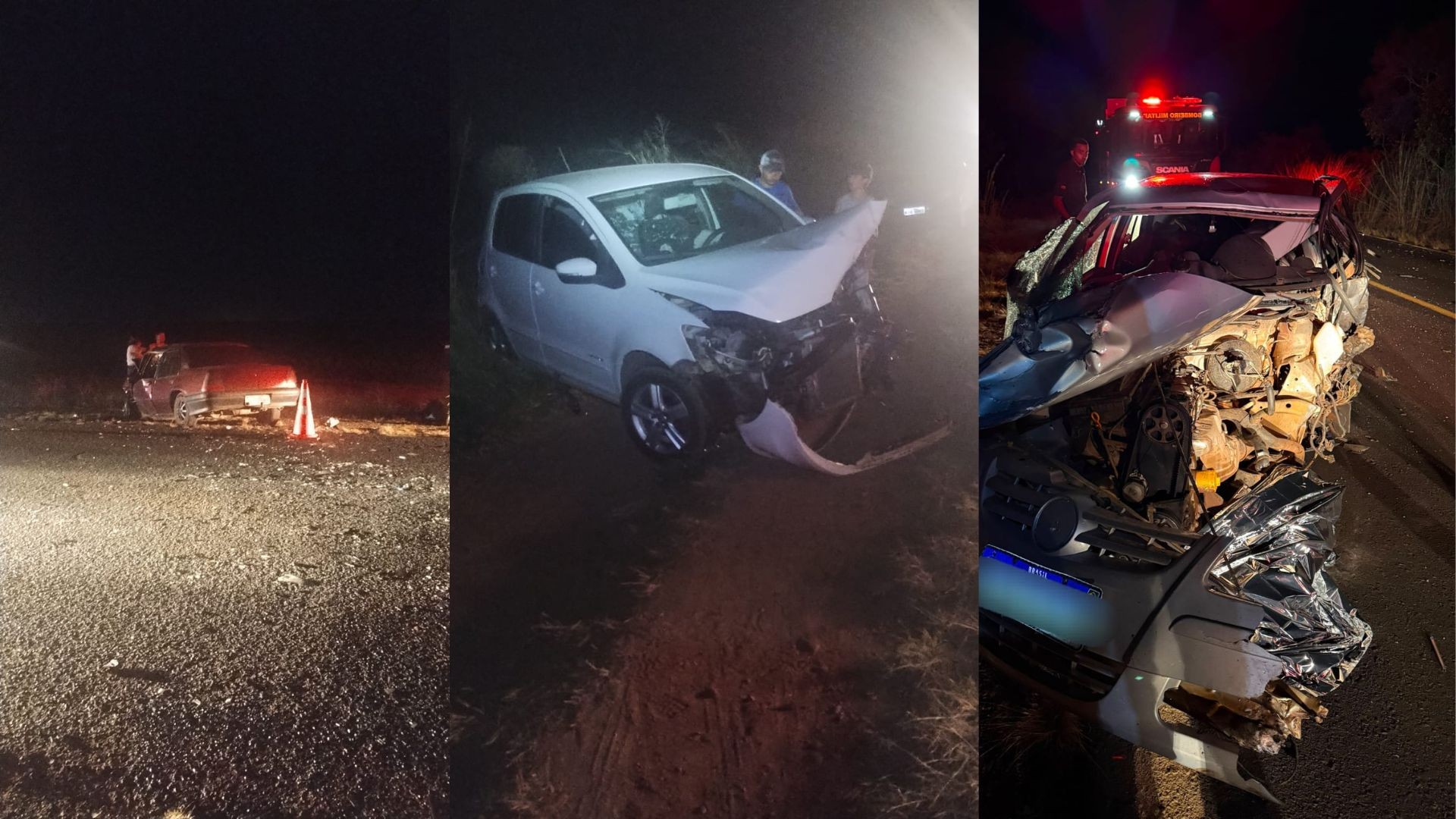
Two separate head-on collisions occurred on highways near Araguari, Minas Gerais, within a 10-hour period, resulting in one death and two injuries. The first incident happened around 7 PM on Sunday, December 12th, on MG-223 at kilometer 113. A GM Monza attempting an overtaking maneuver collided head-on with a Fox. The female passenger of the Fox, aged 40, reported chest pain and received medical attention from the Mobile Emergency Care Service (SAMU). The driver and two passengers of the Fox, aged 39, 9, and 54 respectively, declined medical treatment. The 53-year-old driver of the Monza fled the scene before emergency services arrived.
Approximately eight hours later, around 3:15 AM on Monday, December 13th, a second fatal collision took place on MG-413 at kilometer 1. A Tera vehicle traveling from Santo André, São Paulo, to Caldas Novas, Goiás, was struck head-on by a Gol, which reportedly crossed into the oncoming lane. The 22-year-old driver of the Gol died at the scene. A 22-year-old passenger from Araguari in the Gol sustained minor abrasions and was taken to the city's Emergency Care and Health Preparedness Unit (UPA) by SAMU. The family occupying the Tera, consisting of parents and two young children, were transported by third parties to a hotel in Araguari before rescue teams could reach them.
The two head-on collisions on Araguari's highways, occurring within a short timeframe, highlight critical issues in road safety infrastructure and driver behavior. Preliminary reports suggest lane incursions as the primary cause, pointing to potential problems with driver adherence to traffic laws, road design, or visibility. The incidents underscore the persistent challenge of preventing high-speed, high-impact crashes, particularly those involving overtaking maneuvers or loss of control. Future road safety strategies in the region might benefit from examining the effectiveness of current traffic enforcement, driver education programs, and the physical characteristics of these specific highway segments, especially considering the potential for increased traffic volume and speeds in the coming years.
AI-generated to prompt reflection — not editorial opinion, not advice, not a statement of fact. How this works.