Two Injured in Matão, SP After Car Crashes Into Pole and Pedestrian Hit by Motorcycle
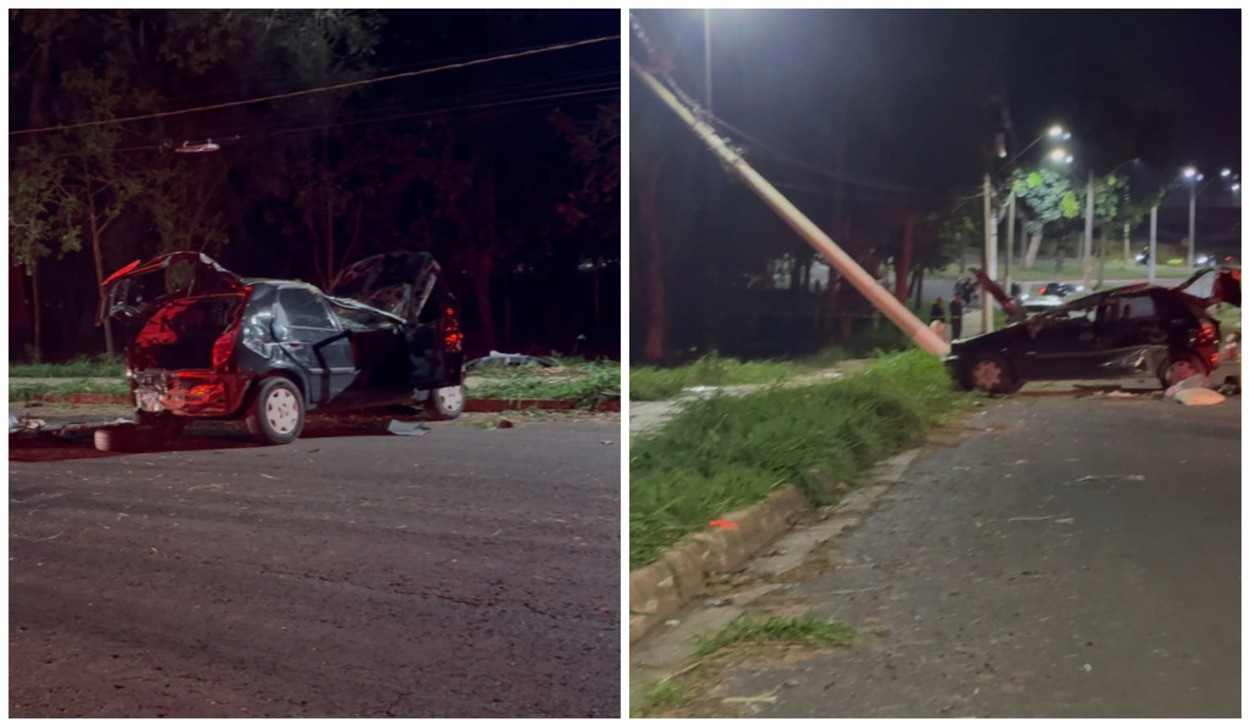
A man and a woman sustained serious injuries in Matão, São Paulo, after their Celta vehicle collided with a utility pole and overturned on Avenida Aparecido Scutti around 9 PM on Saturday, July 1st. The 30-year-old male passenger was reported in critical condition with two cervical fractures and a scalp laceration requiring stitches. The 28-year-old female driver was conscious but in shock, with suspected facial fractures. According to the police report, the man stated the woman was driving, but she had no recollection of the accident. Both remained hospitalized for treatment, and the cause of the crash is under investigation.
Approximately one hour later, on Avenida Trolesi, a pedestrian was critically injured after being struck by a motorcycle. The motorcyclist was traveling towards the city center when the pedestrian reportedly emerged from the median strip to cross the avenue. The motorcyclist claimed they were unable to avoid the collision. The pedestrian was transported to the municipal hospital in serious condition. The motorcyclist sustained minor arm injuries and stated they would seek medical attention independently. Forensic analysis was conducted at the scene, and the incident was reported to the police.
This report details two separate severe traffic incidents occurring within a short timeframe in Matão, SP, highlighting potential systemic issues in road safety. The first incident involved a car-pole collision resulting in significant injuries, while the second saw a pedestrian struck by a motorcycle. Both events underscore the critical need for enhanced traffic management and public awareness campaigns regarding safe driving and pedestrian behavior. The investigations into the causes of these accidents are crucial for identifying contributing factors, whether they relate to infrastructure, vehicle operation, or adherence to traffic laws. Understanding these dynamics can inform policy decisions aimed at reducing future occurrences and improving overall road safety in the region, particularly as urban mobility patterns evolve.
AI-generated to prompt reflection — not editorial opinion, not advice, not a statement of fact. How this works.