Two judicial employees in Brazil sentenced for religious racism against a spiritual leader
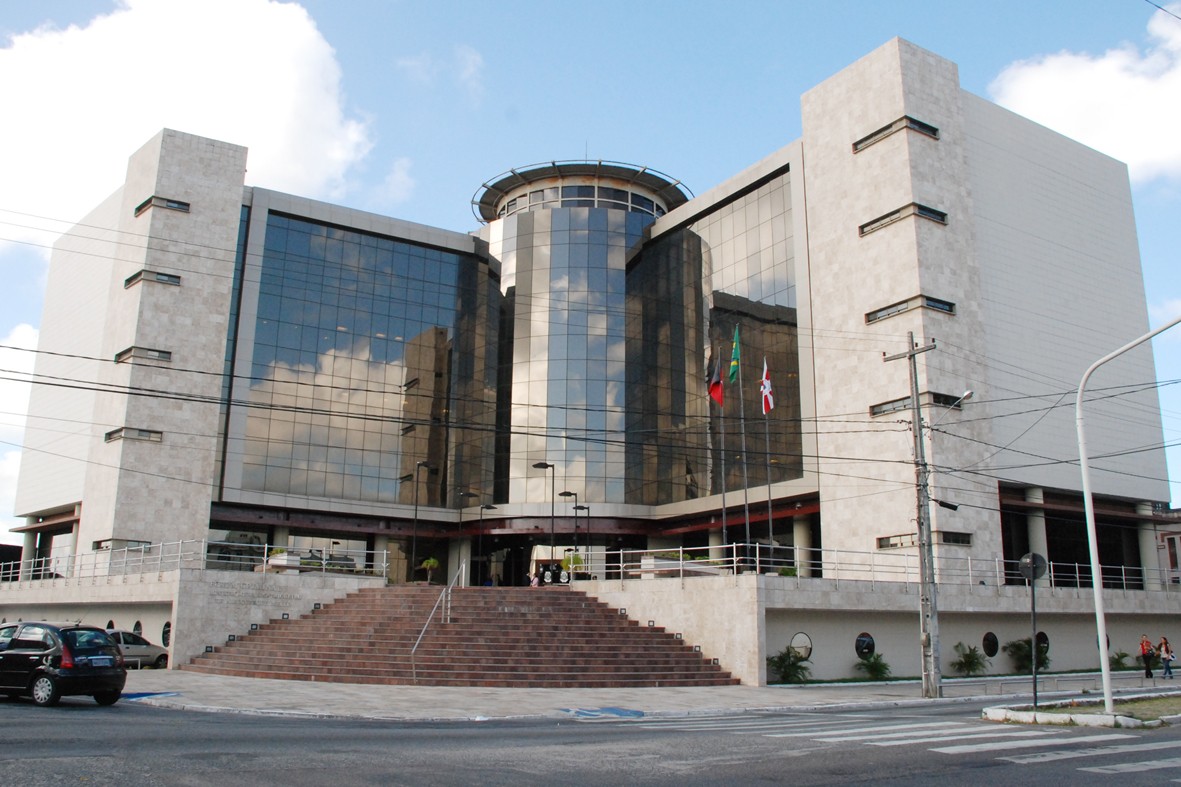
Two employees of the Court of Justice of Paraíba (TJPB) in João Pessoa, Brazil, have been convicted of religious racism against a woman of African matrix religion. The offenses occurred within the judicial premises between 2015 and 2018. The conviction, handed down on June 30, was announced by the Public Prosecutor's Office of Paraíba (MPPB) on August 16. An retired social worker and a psychologist received sentences of one year of open-custody imprisonment, a fine equivalent to 10 days' wages, and court costs. A judicial technician, also accused, was acquitted due to insufficient evidence. The victim, a spiritual leader, was involved in a family court case to regulate visitation rights for her children with her ex-husband. She reported being subjected to derogatory remarks such as "the witch doctor has arrived" and insinuations that she would lose custody of her children if she did not renounce her faith. The victim also stated she was told not to bring her children to her spiritual gathering place, described as "not a family environment." The MPPB noted that the victim had reported other instances of discrimination, including being denied access to a psychosocial sector for wearing white clothing and a headscarf, traditional attire for her religion. The case came to the MPPB's attention this year via an official letter from the TJPB's own Multidisciplinary Team Support Coordination. In addition to the criminal conviction, an administrative penalty was imposed. A TJPB inquiry, requested by the MPPB, issued a warning to the employees for functional misconduct incompatible with public service and a violation of duties, emphasizing the prohibition of discriminatory behavior in the workplace. The retired social worker, already on leave, did not face further administrative penalties. The Corregedor-Geral de Justiça, Judge Leandro Santos, confirmed the functional misconduct, citing a psychosocial report that contained religiously biased recommendations and recorded derogatory comments about the victim's faith.
This case highlights the critical intersection of religious freedom and workplace conduct within public institutions. The judicial system's conviction of its own employees for religious racism underscores the evolving legal and social recognition of discrimination beyond race and ethnicity. It suggests a growing awareness of the need to protect individuals from prejudice based on their spiritual or religious affiliations, particularly those from minority or less mainstream traditions. The dual criminal and administrative sanctions demonstrate a multi-faceted approach to accountability, aiming to deter future misconduct and uphold public trust. This event prompts consideration of how institutional policies and training can proactively address subtle and overt forms of religious bias, ensuring that all individuals, regardless of their faith, are treated with dignity and respect within governmental bodies. The ruling may serve as a precedent, encouraging similar scrutiny of discriminatory practices in other public and private sector organizations.
AI-generated to prompt reflection — not editorial opinion, not advice, not a statement of fact. How this works.