Two Marks, Two Visions for NATO's Future
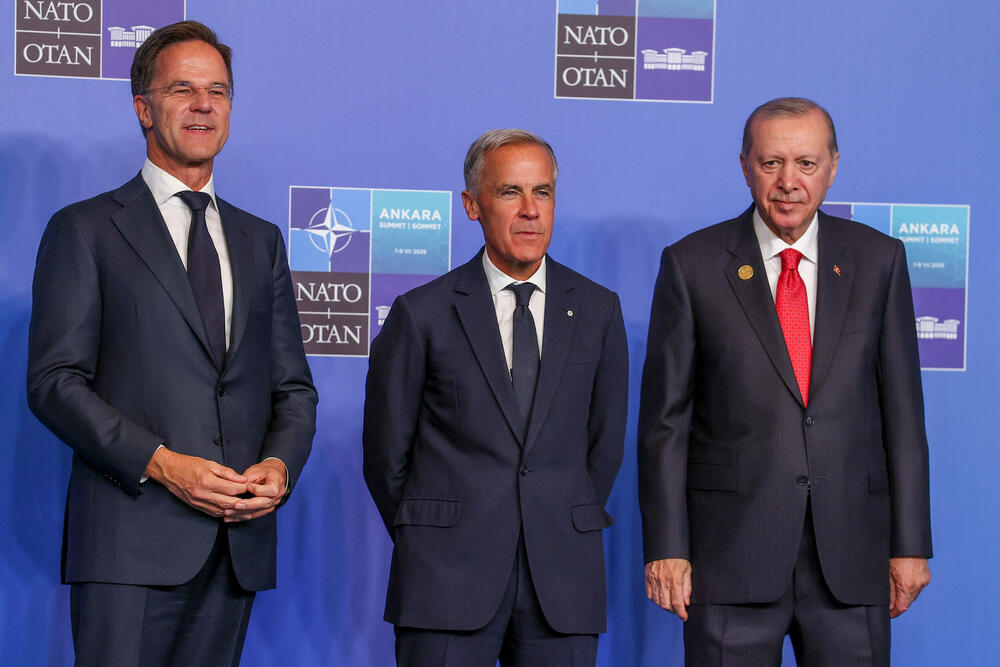
Allies agree on the need for increased defense investment, but diverge on the future shape of the alliance with Washington. The discussion highlights differing perspectives on how NATO should evolve to meet contemporary security challenges. While consensus exists on boosting defense spending, the strategic direction and operational focus of the alliance remain points of contention among member states. This divergence impacts the alliance's ability to present a unified front and adapt to a rapidly changing geopolitical landscape. The differing visions reflect underlying concerns about burden-sharing, strategic priorities, and the alliance's role in global security. Finding common ground on these issues is crucial for NATO's continued relevance and effectiveness in the coming years. The debate underscores the complex balancing act required to maintain cohesion within a diverse alliance.
The divergence in visions for NATO's future, despite agreement on increased defense spending, points to a fundamental tension between national interests and collective security objectives. Allies are grappling with how to allocate resources and define strategic priorities in an era of evolving threats, from state-sponsored aggression to cyber warfare. This situation presents a challenge for alliance cohesion, as differing interpretations of threat perception and optimal response strategies can lead to strategic drift. The next decade will likely see a continued push for greater burden-sharing and a re-evaluation of NATO's forward-looking posture, potentially leading to a more multi-tiered or specialized alliance structure. Navigating these competing imperatives will be key to ensuring NATO's adaptability and deterrence capabilities.
AI-generated to prompt reflection — not editorial opinion, not advice, not a statement of fact. How this works.