Two Masons Die After 10-Meter Scaffold Fall at Construction Site in Minas Gerais
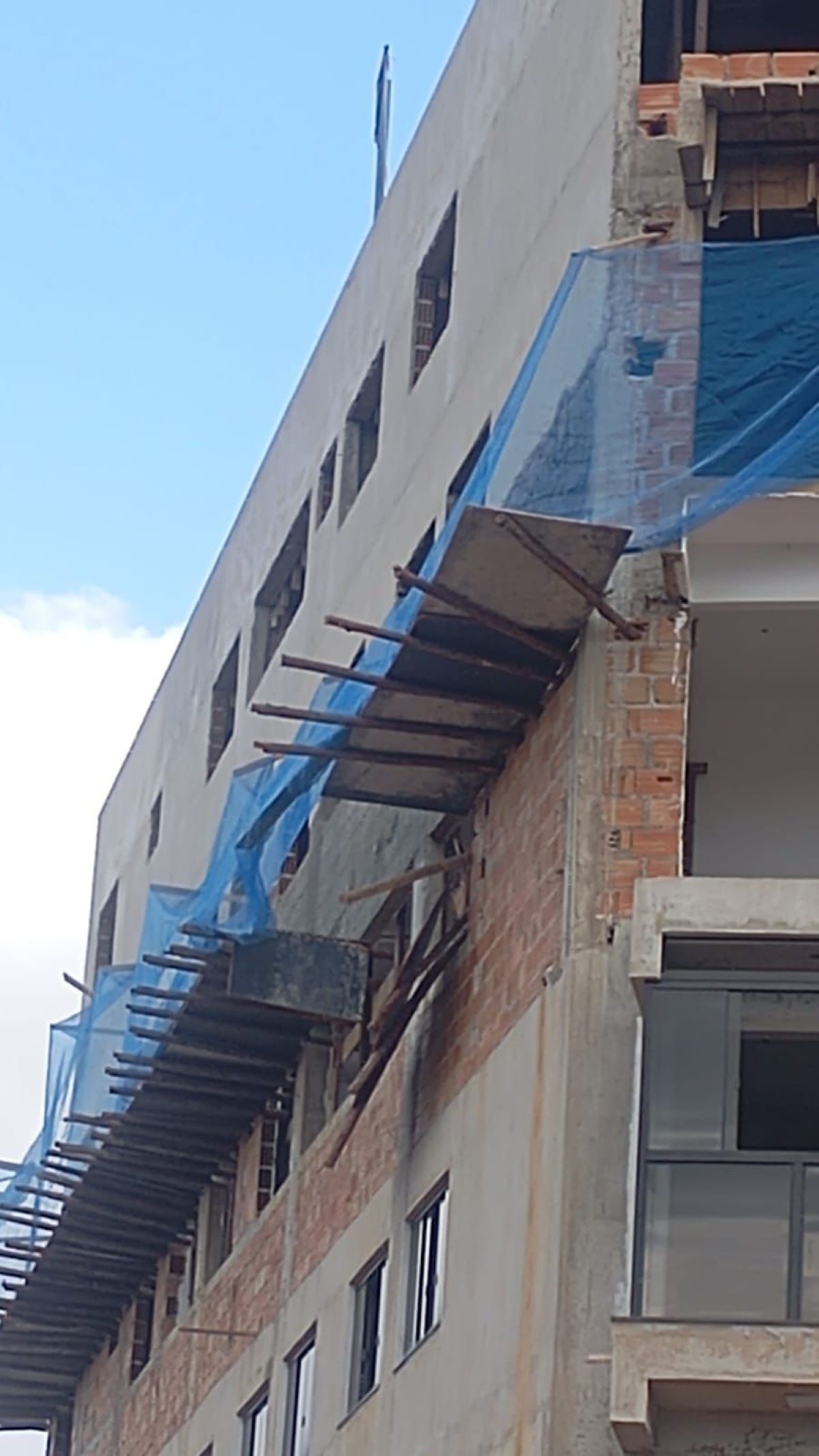
Two masons, Enivaldo Costa, 49, and Leandro Teixeira Gonçalves, 35, tragically died after falling from a scaffold approximately 10 meters high during a construction project in Carmópolis de Minas, Minas Gerais, on Tuesday, November 7th. The accident occurred on Antônio Orides Pinheiro street in the city's center. Authorities suspect a piece of plywood, known as 'madeirite,' on the scaffold's structure may have broken, causing the collapse. Enivaldo Costa was pronounced dead at the scene by emergency medical services. Leandro Teixeira Gonçalves was critically injured and transported to the Santa Casa de Misericórdia de Carmópolis de Minas, where he later succumbed to his injuries. Witnesses reported that the two workers were performing tasks on the scaffold when it gave way for reasons yet to be determined. The Military Police indicated that the workers may not have been using safety harnesses at the time of the fall. The Civil Police have conducted an investigation and are examining the circumstances and causes of the incident. Both victims were buried on Wednesday, November 8th, at the Santa Cruz Cemetery in Carmópolis de Minas.
This incident highlights critical safety lapses in construction work, particularly concerning scaffolding integrity and the mandatory use of personal protective equipment. The investigation by the Civil Police will likely focus on adherence to safety regulations, the quality of materials used, and the oversight provided by the construction company. In the context of an increasingly automated construction sector, such preventable accidents underscore the persistent need for robust human oversight and stringent enforcement of safety protocols. Future construction practices must prioritize engineering for structural reliability and integrate advanced monitoring systems to detect potential failures before they lead to tragedy, ensuring worker well-being remains paramount amidst technological advancements.
AI-generated to prompt reflection — not editorial opinion, not advice, not a statement of fact. How this works.