Two More Chapters Blocked in EU Accession Talks
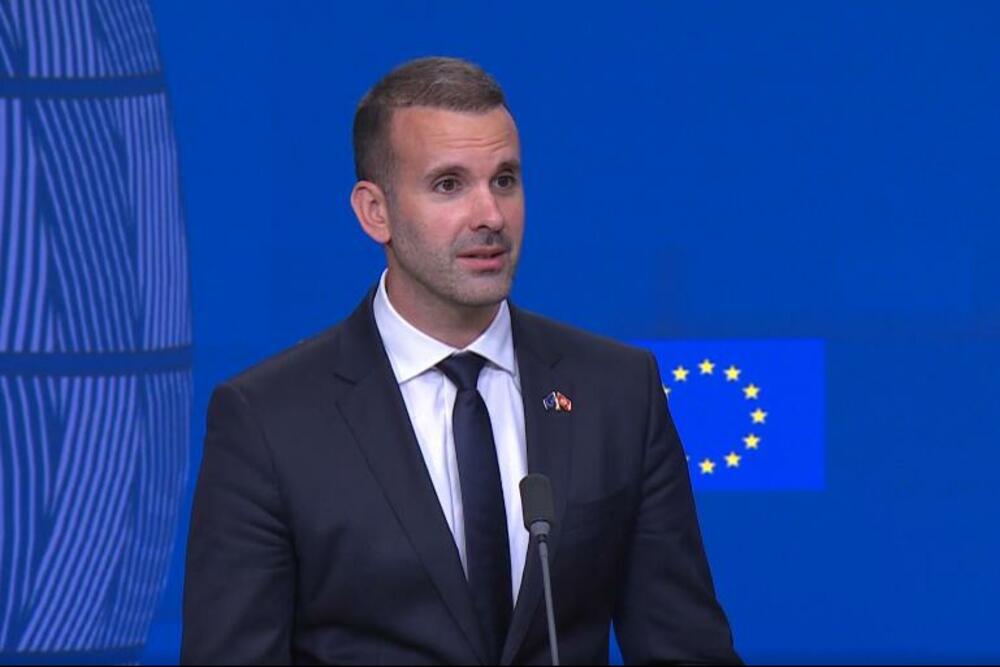
Accession talks for two additional chapters have been stalled, preventing further progress in the country's bid to join the European Union. Chapter 14, concerning Transport Policy, was prepared for closure but did not receive approval from Croatia. Croatia raised objections related to cabotage, which refers to the right of carriers from one member state to transport goods or passengers within another member state. This specific issue has become a point of contention, hindering the advancement of these crucial negotiation chapters. The blockage highlights the complexities and differing national interests that can arise during the EU accession process. Despite the obstacles, the government continues to pursue membership, though the timeline for completion remains uncertain. The decision by Croatia underscores the need for consensus among member states, even on seemingly technical matters. Further negotiations will be required to address Croatia's concerns and potentially unlock these chapters for closure.
The obstruction of EU accession chapters by a member state, citing specific concerns like cabotage in transport policy, illustrates the intricate balance of national interests within the bloc. While individual member states have legitimate concerns regarding market access and fair competition, the process also reveals potential leverage points that can be used to influence broader geopolitical or bilateral agendas. Moving forward, the EU's institutional framework must facilitate robust dialogue to reconcile these differing perspectives, ensuring that accession criteria are applied consistently while accommodating the economic realities of all parties. The long-term integration of new members requires a commitment to harmonized standards and a clear, predictable pathway, avoiding situations where technical disputes become significant impediments to strategic foreign policy objectives.
AI-generated to prompt reflection — not editorial opinion, not advice, not a statement of fact. How this works.