Two More Executed in Iran Over Fatal Attack on Security Forces in Isfahan
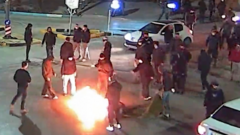
On Tuesday, August 8th, Iran publicly executed two more individuals, Abolfazl Sepahi and Amirhossein Safari. They were convicted in connection with the deaths of four security officers during protests in Isfahan's Alikhani Square on January 8th. These executions follow the earlier deaths of Erfan Esfandiari and Golmohammad Mohammadi, who were also sentenced in the same case. The original incident occurred in the Malek Shahr district of Isfahan. The legal proceedings and evidence presented in this case, including witness testimonies and alleged police radio communications, have raised questions about the fairness of the trial. The government has presented the case as a clear-cut act of violence against state agents. However, details surrounding the events of January 8th and the subsequent judicial process remain a point of contention. The executions underscore the Iranian government's firm stance against dissent and perceived threats to its authority.
The execution of individuals in connection with the deaths of security forces during protests highlights a recurring pattern of state response to public unrest in Iran. The government's framing of these events as direct attacks on its agents serves to legitimize severe punitive measures, including capital punishment. This approach, while intended to deter future dissent, often escalates tensions and can obscure underlying grievances that fuel protests. The emphasis on swift, public retribution may also serve to consolidate state control and project an image of unyielding authority, particularly in the face of internal and external pressures. Future developments will likely depend on the interplay between state security apparatus, societal demands for accountability, and international scrutiny of human rights practices.
AI-generated to prompt reflection — not editorial opinion, not advice, not a statement of fact. How this works.