Two More Potential HIV Cures Announced, Bringing Total to 13
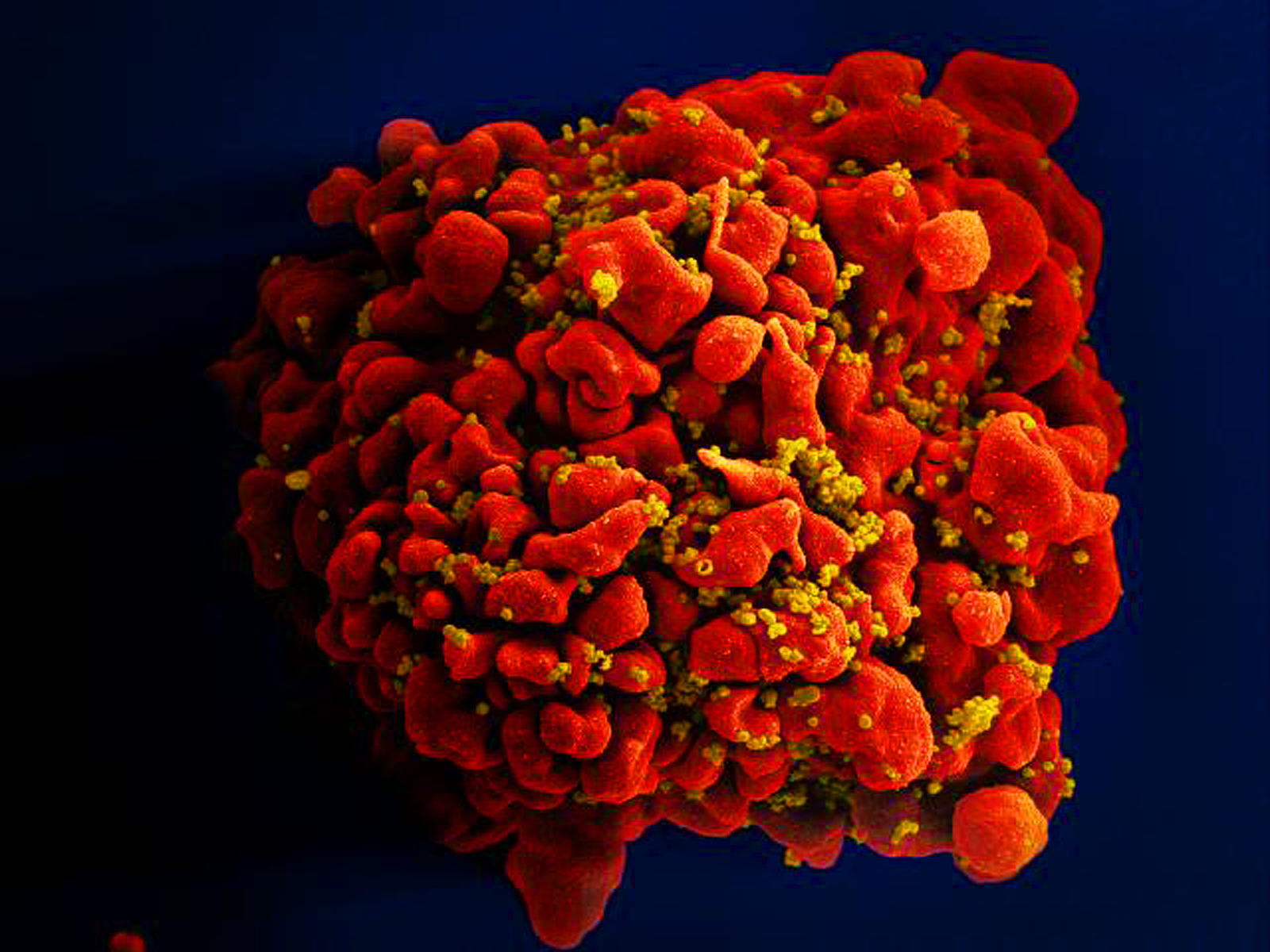
Medical professionals announced two new potential cases of HIV cure on Monday, March 27th. Both patients have stopped taking antiretroviral medications, and the virus has not been detected in their tests since. One individual, referred to as the Kansas City patient, has been off medication for 14 months. The second patient, who also had a history of Hepatitis B, has completed 12 months without HIV treatment and maintains an undetectable viral load. These two cases bring the total number of HIV cures or remissions recognized by the International AIDS Society (IAS) from 11 to 13.
The Kansas City patient, a 21-year-old male diagnosed with HIV and aggressive leukemia in 2018, received a stem cell transplant from an unrelated but fully compatible donor in October 2020. The donor possessed two copies of the rare CCR5-delta32 mutation, which hinders the most common forms of HIV from entering cells. After complications and a stem cell boost, antiretrovirals were suspended in February 2025. Fourteen months later, no virus was detected in his blood or in HIV-capable cells.
The second patient, whose case was more complex due to multiple HIV strains, also received stem cells from a donor with two copies of the CCR5-delta32 mutation. Antiretroviral medication was stopped just over four years post-transplant. After 12 months, the HIV remained undetectable, with no evidence of replicating virus or complete HIV genetic material found in intestinal samples. However, the cessation of medication led to a rapid resurgence of Hepatitis B within 25 days, as some antiretrovirals also controlled this co-infection.
These cases are currently considered potential cures because the duration without medication is relatively short. Researchers emphasize the need for longer follow-up to confirm sustained remission, with at least two years off medication being a stronger indicator. The term "sustained HIV remission without antiretrovirals" is preferred by experts, indicating the virus does not return after treatment cessation. It is crucial that stopping medication is only attempted within clinical studies, as HIV typically rebounds quickly in most individuals.
The announcement of two additional potential HIV cures, bringing the total to 13, highlights the ongoing progress in stem cell transplantation as a viable, albeit complex, strategy for HIV remission. These cases, particularly those involving donors with the CCR5-delta32 mutation, underscore the biological mechanisms that can lead to viral clearance. However, the reliance on transplants, primarily performed for other serious conditions like leukemia, means this approach is not a scalable cure for the general HIV-positive population. Future research will likely focus on refining these techniques, exploring alternative cell sources, and investigating gene therapy to replicate the protective effects of the CCR5 mutation more broadly. The long-term monitoring of these patients is critical to understanding the durability of remission and identifying any potential late-emerging challenges, ensuring that the scientific community can learn from each case to advance the ultimate goal of a functional cure for all.
AI-generated to prompt reflection — not editorial opinion, not advice, not a statement of fact. How this works.