Two New Beetle Species Discovered in São Paulo State Park, Including One Seen Once in 60 Years
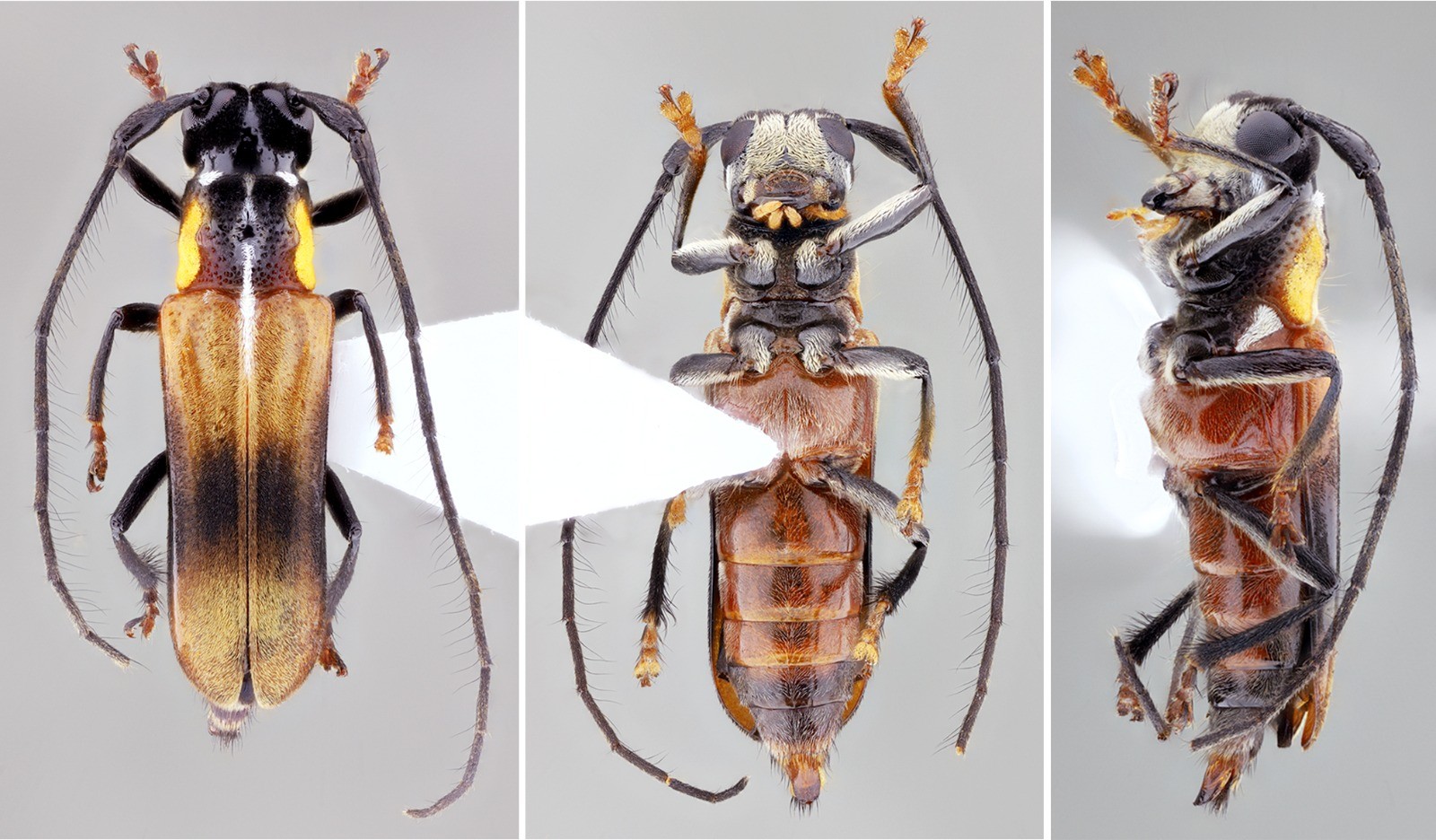
A recent survey conducted at the Porto Ferreira State Park in São Paulo, Brazil, has uncovered a remarkable diversity of longhorn beetles (Cerambycidae). The study identified 101 species within this family, including two entirely new to science. Seven species were recorded in the state for the first time, and one specimen of a species previously known from only a single collection over 60 years ago was also found. This research marks the first comprehensive inventory of this insect group within the park, which encompasses cerrado, riparian forest, and semi-deciduous forest ecosystems. Two newly described species were named: Olivensa ferreirensis, honoring Porto Ferreira, and Eclipta migueli, in tribute to entomologist Miguel Ángel Monné. The identification process involved meticulous morphological comparisons with existing scientific records and biological collections in Brazil and abroad. While some longhorn beetles can be agricultural pests, the vast majority play crucial ecological roles, such as decomposing wood and recycling nutrients. Less than 3% of the over 36,000 known Cerambycidae species are considered pests, with their larvae often aiding in forest decomposition. Researchers acknowledge a significant knowledge gap regarding the biology of most Brazilian species, including these newly discovered ones. They emphasize that the park's rich biodiversity, with these 101 species representing about 7% of São Paulo's known longhorn beetles, underscores its importance for conservation and scientific discovery.
This discovery highlights the ongoing potential for significant biodiversity findings even in relatively well-studied regions, underscoring the critical role of protected areas like Porto Ferreira State Park. The identification of new species, particularly one so rarely encountered, suggests that current inventories may be incomplete and emphasizes the value of systematic biological surveys. While the article clarifies that most longhorn beetles are ecologically beneficial, the mention of potential pest status for a small fraction warrants attention to ecological balance and the impact of environmental disturbances on insect populations. The substantial knowledge gap regarding the biology of many species indicates a need for continued research to understand their ecological functions and potential interactions with human activities, including agriculture. Future conservation strategies should consider these findings to ensure the preservation of these unique species and their habitats.
AI-generated to prompt reflection — not editorial opinion, not advice, not a statement of fact. How this works.