Two Patients Achieve Long-Term Remission of Autoimmune Disease After Immune System Reset
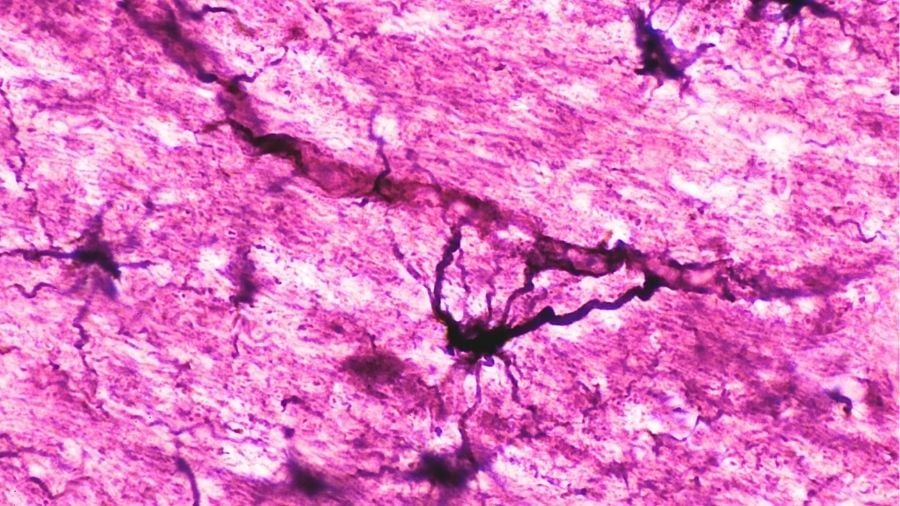
Two individuals suffering from severe autoimmune diseases have experienced long-term remission, with one patient remaining in remission for 15 years, following a groundbreaking immune system 'reset' therapy. This innovative treatment aims to reprogram the immune system, which in autoimmune conditions mistakenly attacks the body's own tissues. The success of this therapy offers a significant glimmer of hope for individuals with debilitating autoimmune disorders. While the specifics of the treatment are not detailed in this brief report, the outcome suggests a potential paradigm shift in managing these complex conditions. The remission achieved by these patients indicates that a functional cure, rather than just symptom management, may be attainable. Further research and clinical trials will be crucial to understand the full potential and applicability of this immune reset approach across various autoimmune diseases. The long duration of remission in one case highlights the durability of the treatment's effects.
This development in autoimmune disease treatment, characterized by an immune system 'reset' leading to prolonged remission, warrants examination through the lens of emerging regenerative medicine and immunomodulatory therapies. The long-term remission observed, particularly the 15-year duration, suggests a potential for durable therapeutic effects beyond conventional immunosuppression. Future research will likely focus on elucidating the precise mechanisms of this reset, its applicability to a broader spectrum of autoimmune conditions, and the long-term safety profile. Understanding the trade-offs between achieving such a profound immune modulation and the potential risks of immune dysregulation will be critical for clinical translation. The success could signal a shift towards curative strategies rather than chronic management in autoimmune care, aligning with broader trends in personalized and precision medicine.
AI-generated to prompt reflection — not editorial opinion, not advice, not a statement of fact. How this works.