Two Police Officers Injured in Crash, Then Exchanged Gunfire with Suspects in Brazil
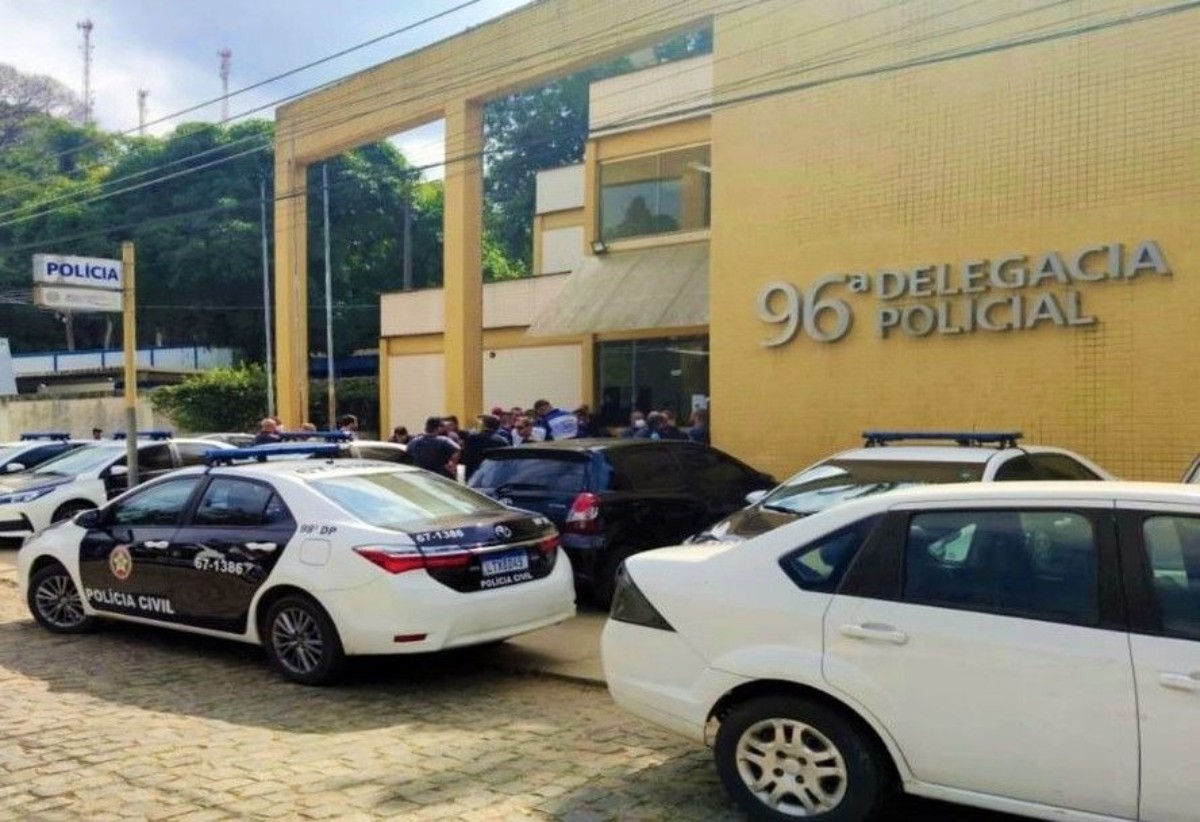
An incident in Miguel Pereira, Rio de Janeiro, Brazil, resulted in injuries to two military police officers and a shootout with unidentified suspects on Wednesday night, November 22nd. The confrontation began when officers on patrol attempted to stop a motorcycle carrying two individuals on Rua Frederico Wangler in the Praça da Ponte neighborhood. The suspects ignored the order to stop, crashed their motorcycle into the police vehicle, and fled, leaving behind a revolver with five live rounds. Subsequently, police received reports of gunfire near their location. Upon investigating, officers discovered a police vehicle had collided with an embankment. The suspects reportedly fired upon the police, who took cover and returned fire. One officer sustained a head injury, and the other injured his hand as a result of the initial accident. Both were transported to Luiz Gonzaga Municipal Hospital. The case has been registered at the Miguel Pereira police station as attempted homicide against public security agents. Authorities are continuing their investigation to locate the suspects, and no arrests have been made as of the report's publication.
This event highlights the persistent challenges faced by law enforcement in Brazil, particularly regarding public safety and the control of illicit activities in urban areas. The sequence of events, from a traffic violation escalating to a violent confrontation, underscores the risks inherent in police patrols and the need for robust protocols to manage suspect apprehension. The exchange of gunfire and subsequent injuries to officers point to the critical importance of adequate training, equipment, and intelligence gathering to mitigate such dangerous encounters. Moving forward, effective strategies will likely involve a multi-pronged approach, combining community policing initiatives with targeted operations to address the root causes of crime and improve the overall security landscape.
AI-generated to prompt reflection — not editorial opinion, not advice, not a statement of fact. How this works.