Two Reaction Wheel Failures Hamper Swift Space Telescope's Mission
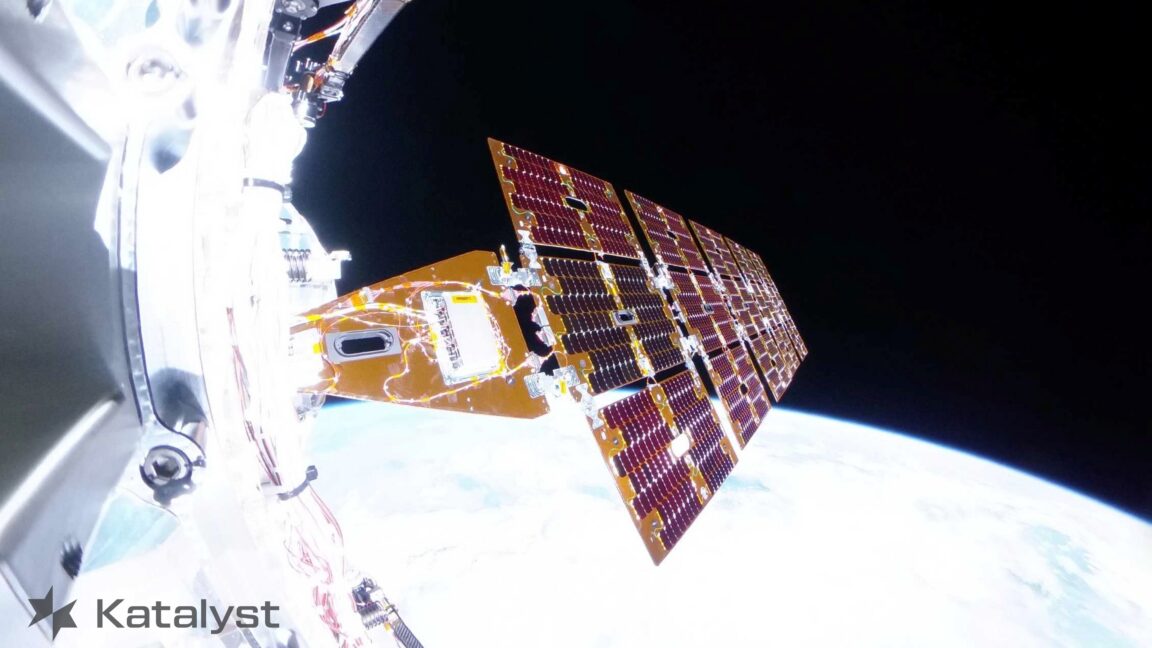
The Swift space telescope is facing significant operational challenges due to the failure of two of its three reaction wheels. These critical components are essential for controlling the telescope's orientation in orbit. Preliminary investigations have confirmed that two of the three reaction wheels are currently non-operational. This malfunction severely limits Swift's ability to point accurately and conduct its primary scientific observations. The mission team is actively working to understand the full extent of the problem and explore potential solutions. The loss of two reaction wheels poses a substantial obstacle to Swift's ongoing research into transient astronomical events, such as gamma-ray bursts and supernovae. Engineers are assessing the impact on the telescope's maneuverability and the feasibility of continuing scientific operations with reduced functionality. The situation highlights the inherent risks and complexities of operating sophisticated scientific instruments in the harsh environment of space. Further updates on the investigation and recovery efforts are expected as the team analyzes the data.
The failure of critical components like reaction wheels on the Swift telescope underscores the inherent fragility of complex space-based infrastructure. While designed for extreme environments, these systems are susceptible to unforeseen malfunctions that can significantly curtail mission objectives. The reliance on a limited number of redundant systems, as seen with Swift's three reaction wheels, presents a vulnerability. Future mission designs might benefit from exploring more robust, decentralized control mechanisms or enhanced diagnostic capabilities that allow for earlier detection and mitigation of such failures. The challenge lies in balancing the need for precise control with the imperative of long-term operational resilience in the face of inevitable technological wear and external factors.
AI-generated to prompt reflection — not editorial opinion, not advice, not a statement of fact. How this works.