Two Saudi oil tankers attacked by Houthis after violating Red Sea blockade
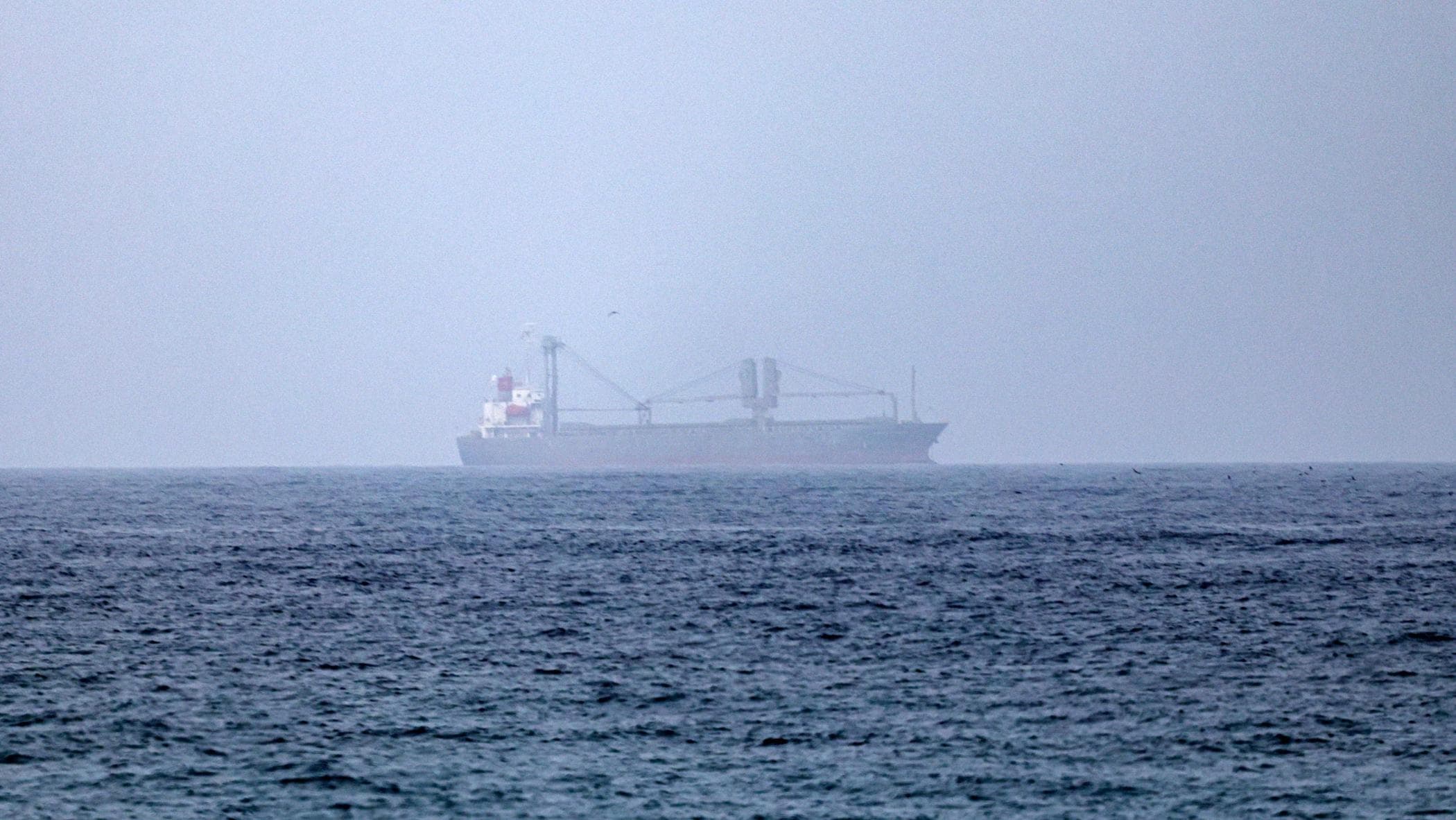
Two Saudi oil tankers were reportedly attacked by Houthi forces in the Red Sea. The vessels are said to have violated a naval blockade previously imposed by the Houthi movement. The Red Sea has been a critical and secure route for Saudi crude oil exports, allowing them to bypass the Strait of Hormuz. However, the ongoing threat from Yemen poses a significant risk to maritime traffic in this vital waterway. The incident highlights the escalating tensions and the potential disruption to global energy supplies originating from the region. This development could force Saudi Arabia to seek alternative export routes, potentially increasing costs and transit times. The security of shipping lanes in the Red Sea is crucial for international trade and energy markets.
The reported Houthi attacks on Saudi oil tankers underscore the fragility of maritime trade routes, particularly when geopolitical conflicts intersect with critical energy supply chains. The incident suggests that actors in regional conflicts are increasingly leveraging control over strategic waterways to exert influence and disrupt global commerce. For Saudi Arabia, the Red Sea has served as a vital alternative to the Strait of Hormuz, but this attack demonstrates that even seemingly secure routes are vulnerable. This situation prompts consideration of the long-term implications for energy security, the potential for escalating insurance costs for shipping, and the strategic imperative for nations to diversify their export infrastructure to mitigate risks associated with regional instability. The incident may also accelerate investments in alternative transportation methods or the development of more robust security measures for maritime transit.
AI-generated to prompt reflection — not editorial opinion, not advice, not a statement of fact. How this works.