Two sisters arrested in Brazil for allegedly burying fetus at home
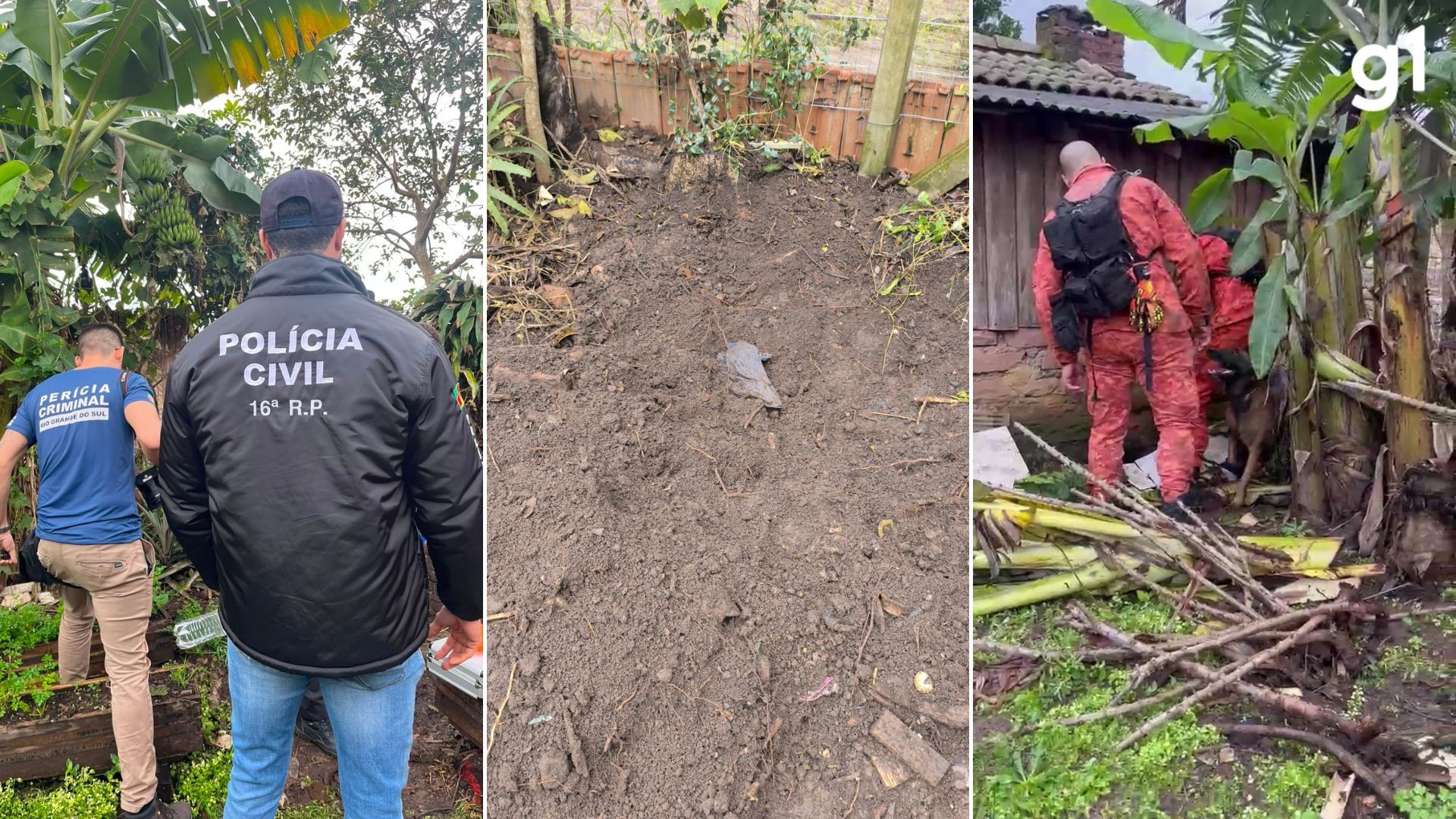
Two sisters have been arrested in Venâncio Aires, Rio Grande do Sul, Brazil, on suspicion of concealing a corpse after a fetus was found buried in the backyard of a residence. The arrests were made by the Civil Police, with assistance from the Fire Department, following a search and seizure warrant executed on Thursday, May 23rd. The investigation began on Tuesday, May 14th, after one of the sisters sought medical attention and claimed to have experienced a spontaneous abortion, stating the fetus had been flushed down the toilet. However, inconsistencies in her account, particularly regarding an estimated 37-week gestation period, prompted a police inquiry. Subsequent investigative actions, including witness interviews and information gathering, led to the execution of the search warrant. During the search, the fetus was discovered buried at the property, contradicting the initial explanation. Both sisters were taken into custody and arrested for the crime of corpse concealment. The fetus has been sent for forensic examination to determine the circumstances of its death and guide further legal proceedings. The Civil Police are continuing their investigation to ascertain whether crimes such as abortion, infanticide, or homicide may have occurred.
This case highlights the critical intersection of public health, reproductive rights, and legal accountability. The initial report of a spontaneous abortion and the subsequent discovery of a buried fetus raise complex questions about the circumstances surrounding the pregnancy's end. The legal framework in Brazil, which restricts abortion, likely influences how such events are investigated and prosecuted, potentially leading to charges like corpse concealment even when the initial event might be related to an unwanted or complicated pregnancy. Future legal and societal considerations will need to balance the protection of potential life with the realities of women's health and autonomy, particularly in regions with limited access to safe reproductive healthcare. The ongoing investigation aims to clarify the sequence of events and determine the appropriate legal classification, underscoring the challenges in navigating sensitive personal tragedies within the justice system.
AI-generated to prompt reflection — not editorial opinion, not advice, not a statement of fact. How this works.