Two Students from Rio Grande do Norte Represent State at UN Sustainable Development Forum
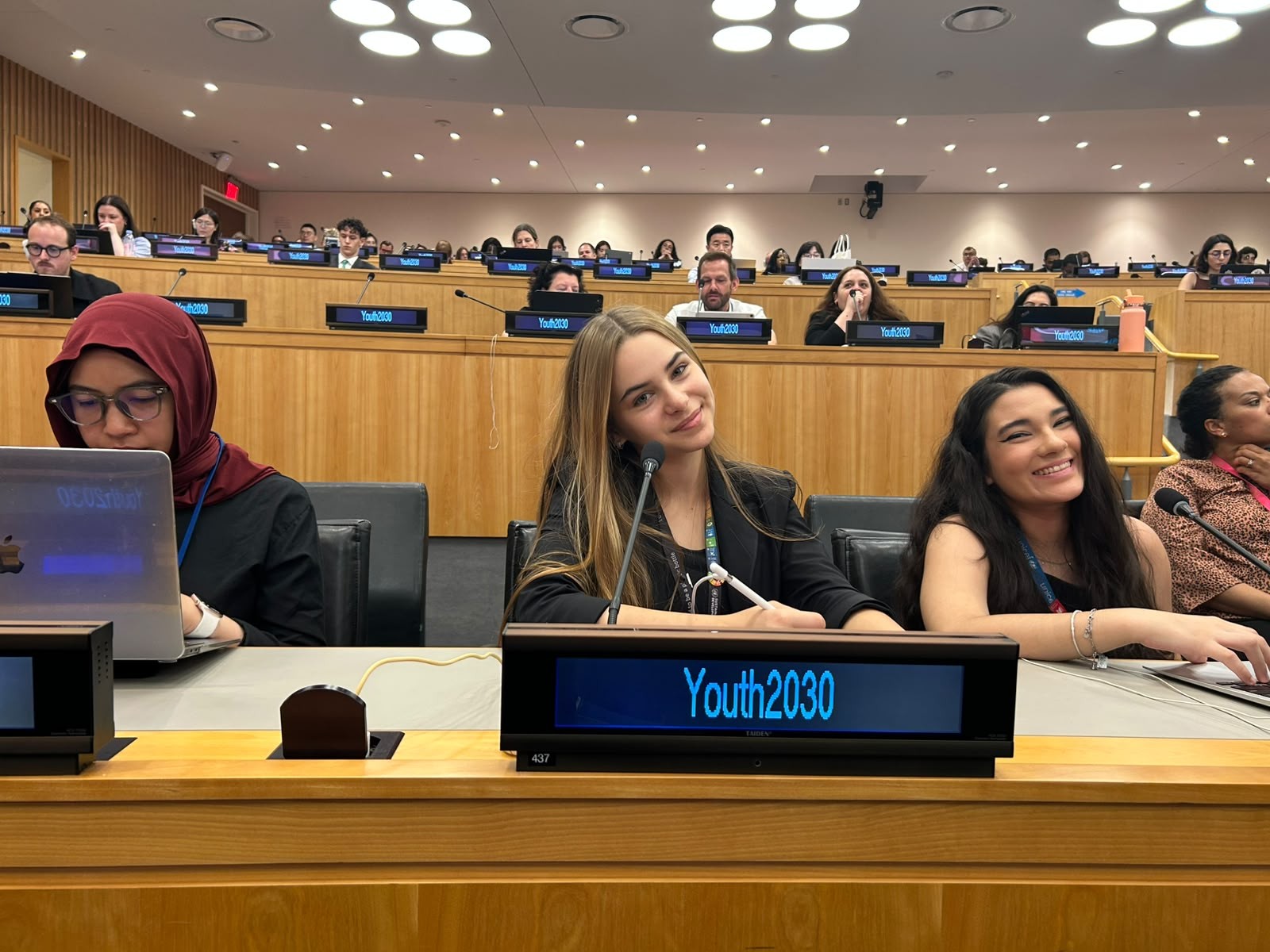
Two young women from Rio Grande do Norte, Brazil, represented their state at the UN's High-Level Political Forum on Sustainable Development (HLPF) in New York. Helena Rondon, 15, a technical chemistry student, and Carolina Damásio, an international relations student, participated in activities organized by the Major Group for Children and Youth (MGCY), an official UN mechanism for youth engagement. The forum, focused on monitoring the 2030 Agenda and Sustainable Development Goals (SDGs), addressed topics including education, climate change, inequality reduction, social participation, and youth's role in SDG implementation. A key finding presented was that only 36% of global goals are progressing at an adequate or moderate pace. Helena expressed immense pride in representing her state, highlighting how the experience transformed her perception of opportunities for Brazilian youth and the accessibility of international platforms. She emphasized the UN's strong focus on youth-led initiatives, believing that change should be made not just for, but with young people. The students' participation stemmed from UNEMUN, a project simulating UN activities in Rio Grande do Norte's state schools, which introduced Helena to the UN system. This experience also inspired the creation of NextGen Sustentável, an initiative by Helena, Carolina, and others to increase participation of local students in sustainability and global citizenship discussions. They plan to share their acquired knowledge through collaborations with the State Secretariat of Education, Sport, and Leisure. The State Secretary of Education, Socorro Batista, affirmed that such international participation significantly enhances public school students' development and knowledge sharing within the school community.
The participation of young delegates at the UN's High-Level Political Forum underscores the growing recognition of youth agency in global governance and sustainable development. The report's finding that only 36% of SDG targets are on track highlights systemic challenges in achieving global objectives, suggesting that current implementation frameworks may require significant recalibration. The students' experience, originating from a school-based simulation project, demonstrates the potential of educational initiatives to foster civic engagement and prepare future leaders. This event can be viewed through the lens of intergenerational equity, where younger generations are increasingly vocal in demanding accountability and action on issues that will shape their future. The emphasis on youth-led initiatives points to a potential paradigm shift in development discourse, moving towards more inclusive and participatory decision-making processes. The challenge ahead lies in translating this enthusiasm and engagement into tangible policy changes and resource allocation, ensuring that youth voices are not merely heard but actively integrated into the fabric of global problem-solving.
AI-generated to prompt reflection — not editorial opinion, not advice, not a statement of fact. How this works.