Two Supermarkets Fined in Paraíba for Selling Expired Goods
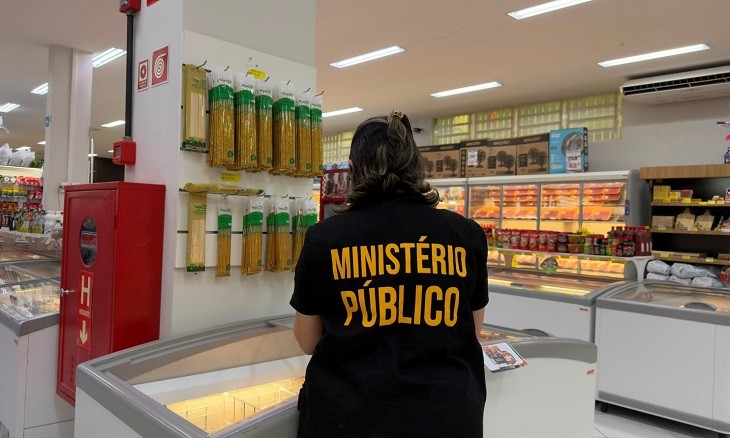
Two supermarkets in Santa Luzia, located in the Sertão region of Paraíba, Brazil, have been fined for selling expired food products and items lacking price tags. The inspections, conducted by the MP-Procon, an arm of the Public Prosecutor's Office of Paraíba (MPPB), on Thursday, May 9th, also revealed significant accessibility issues. These included a lack of shopping carts adapted for individuals with disabilities or reduced mobility. Furthermore, the establishments failed to present valid Sanitary Licenses, Operating Permits, and had expired Fire Department approval certificates. The MP-Procon issued Auto de Infração (Infraction Notices) to both businesses, ensuring their right to due process and a full defense under current legislation. The names of the supermarkets were not disclosed. This action follows similar inspections in Patos, another city in the Sertão region, where five out of six supermarkets inspected on Wednesday, May 8th, were also fined for selling expired and unfit food. Irregularities in Patos included damaged packaging, unlabeled products, and discrepancies in expiration dates and traceability information. Price inconsistencies between shelf tags, scanners, and checkout counters were also noted, which the MP-Procon considers potentially misleading advertising.
The enforcement actions by the MP-Procon highlight systemic challenges in retail food safety and consumer protection within the Sertão region of Paraíba. The repeated findings of expired goods, inadequate labeling, and accessibility failures across multiple establishments suggest a need for more robust oversight and potentially enhanced consumer education initiatives. Beyond immediate penalties, these incidents underscore the importance of supply chain integrity and consistent regulatory adherence for businesses, particularly those serving vulnerable populations. Future efforts could focus on incentivizing proactive compliance through streamlined digital reporting or tiered support systems for small businesses, rather than solely relying on punitive measures after violations occur. This approach could foster a more sustainable environment for both consumer trust and business viability.
AI-generated to prompt reflection — not editorial opinion, not advice, not a statement of fact. How this works.