Two US Service Members Killed in Iran Attack on Jordan Base; One Missing
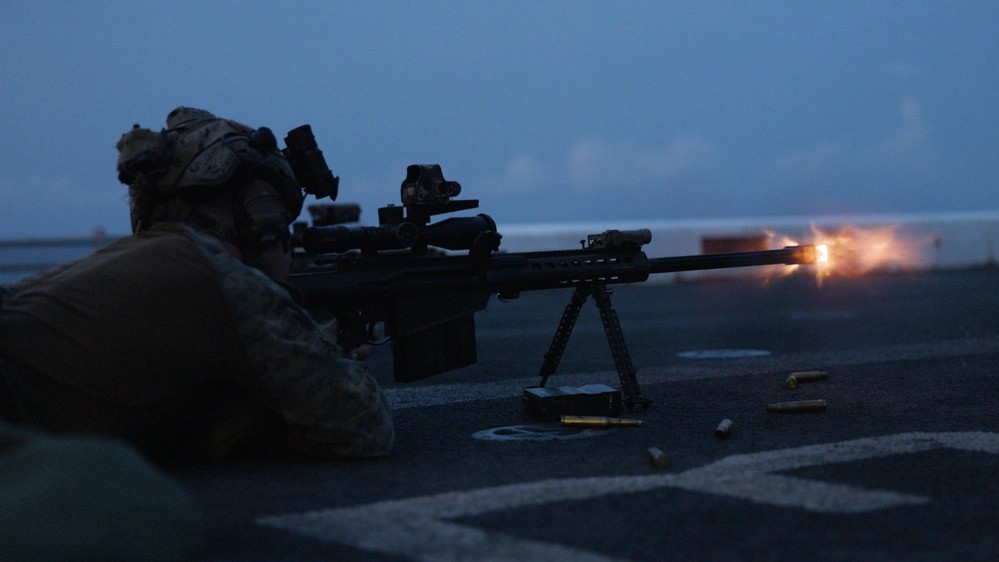
Two United States service members were killed in an Iranian attack on a US base in Jordan on Friday, July 17, the US Central Command (CENTCOM) announced on Saturday, July 18. A third service member is currently unaccounted for. The incident occurred as CENTCOM and partner forces defended against Iranian ballistic missile and drone attacks. Four other American service members were hospitalized in Jordan but have since been released, and others treated for minor injuries have returned to duty. The names of the deceased and injured personnel have not been released. This development comes amid escalating tensions between the US and Iran, particularly following the collapse of a ceasefire agreement signed in June. Iran's Supreme Leader, Ayatollah Mojtaba Khamenei, accused the US of violating the agreement, stating that the US president's signature lacks value and credibility. In response, Tehran announced it was suspending its commitments under the June ceasefire terms. Meanwhile, US forces continued strikes against Iranian military assets for the seventh consecutive night, targeting surveillance facilities, military logistics infrastructure, underground weapons depots, and maritime capabilities. Iranian state media reported that US airstrikes hit power plants and desalination facilities in the southern Hormozgan province, with one desalination plant destroyed and another damaged, impacting water supply for approximately 10,000 people in the strategic Strait of Hormuz region.
The reported fatalities and missing personnel in Jordan highlight the escalating direct military confrontation between the United States and Iran, moving beyond proxy conflicts. This event underscores the fragility of de-escalation efforts and the potential for miscalculation to rapidly intensify hostilities. The reciprocal targeting of critical infrastructure, such as Iran's desalination plants impacting civilian water supply and US strikes on military assets, suggests a strategic calculus aimed at imposing significant costs and demonstrating resolve. As diplomatic channels appear strained, the risk of a wider regional conflict remains a critical concern, particularly given the strategic importance of maritime routes like the Strait of Hormuz. Future actions will likely be shaped by domestic political pressures within both nations and the perceived effectiveness of current military strategies in achieving their respective objectives.
AI-generated to prompt reflection — not editorial opinion, not advice, not a statement of fact. How this works.