Two US Soldiers Killed in Jordan by Iranian Attacks Identified
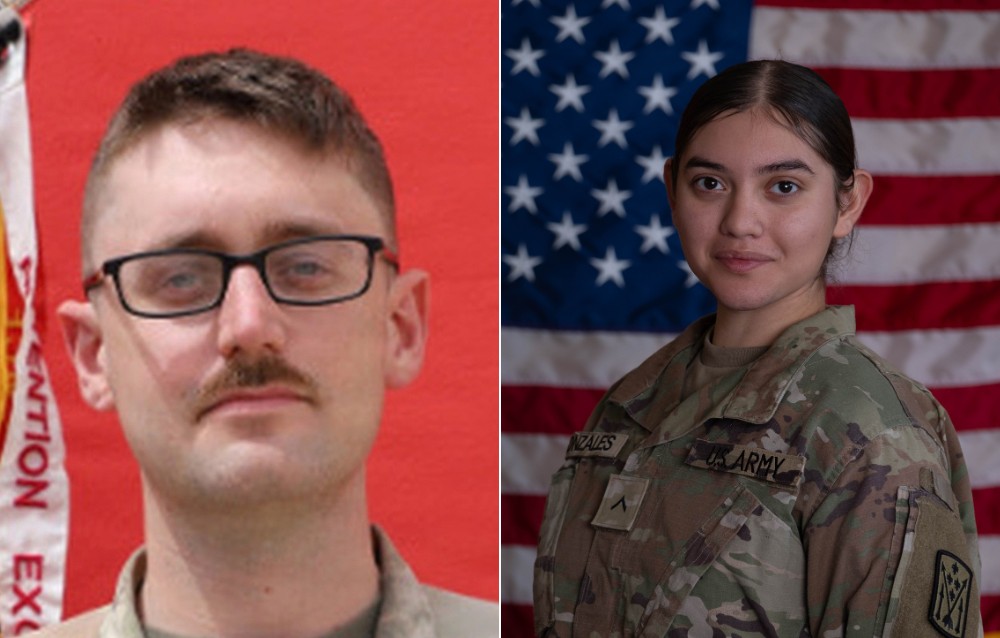
The Pentagon has identified two U.S. soldiers, 25-year-old First Lieutenant Tyler James Feehan and 19-year-old Private Isabella Gonzales, who were killed in Jordan during Iranian ballistic missile and drone attacks. These are reportedly the first direct fatalities from Iranian fire since the early days of the conflict. The soldiers died in an Iranian attack on a U.S. base in Jordan on Friday, January 17th. Feehan, a member of the 32nd Army Air and Missile Defense Command, will be posthumously promoted to captain and awarded military decorations. Gonzales was part of the 10th Army Air and Missile Defense Command, stationed in Germany. Authorities are still analyzing remains and searching for a third soldier who remains missing following the attack. Separately, another U.S. service member died in northern Iraq due to the controlled detonation of an unexploded munition. These deaths bring the total number of U.S. military personnel killed in the conflict with Iran to 17, according to U.S. figures. The incident occurs amidst escalating Middle East tensions and failed peace negotiations, with Iranian attacks previously targeting U.S. forces in Jordan, Kuwait, Saudi Arabia, and Iraq. U.S. President Donald Trump issued a new threat, stating Iran would pay "many times more" for each American combatant killed.
The identified casualties underscore the escalating risks faced by U.S. forces operating in the Middle East amidst ongoing geopolitical tensions. The direct attribution of these deaths to Iranian attacks highlights a critical phase in the conflict, potentially shifting strategic calculations for all involved parties. The U.S. administration's stated policy of retaliatory escalation, as articulated by President Trump, introduces a significant variable into future engagement, raising questions about the potential for further de-escalation or entrenchment. This dynamic necessitates careful consideration of the long-term implications for regional stability and the sustainability of military presence in the face of asymmetric threats and evolving conflict doctrines.
AI-generated to prompt reflection — not editorial opinion, not advice, not a statement of fact. How this works.