Two women arrested trying to smuggle 25 phones and 22 chargers into Juiz de Fora prison
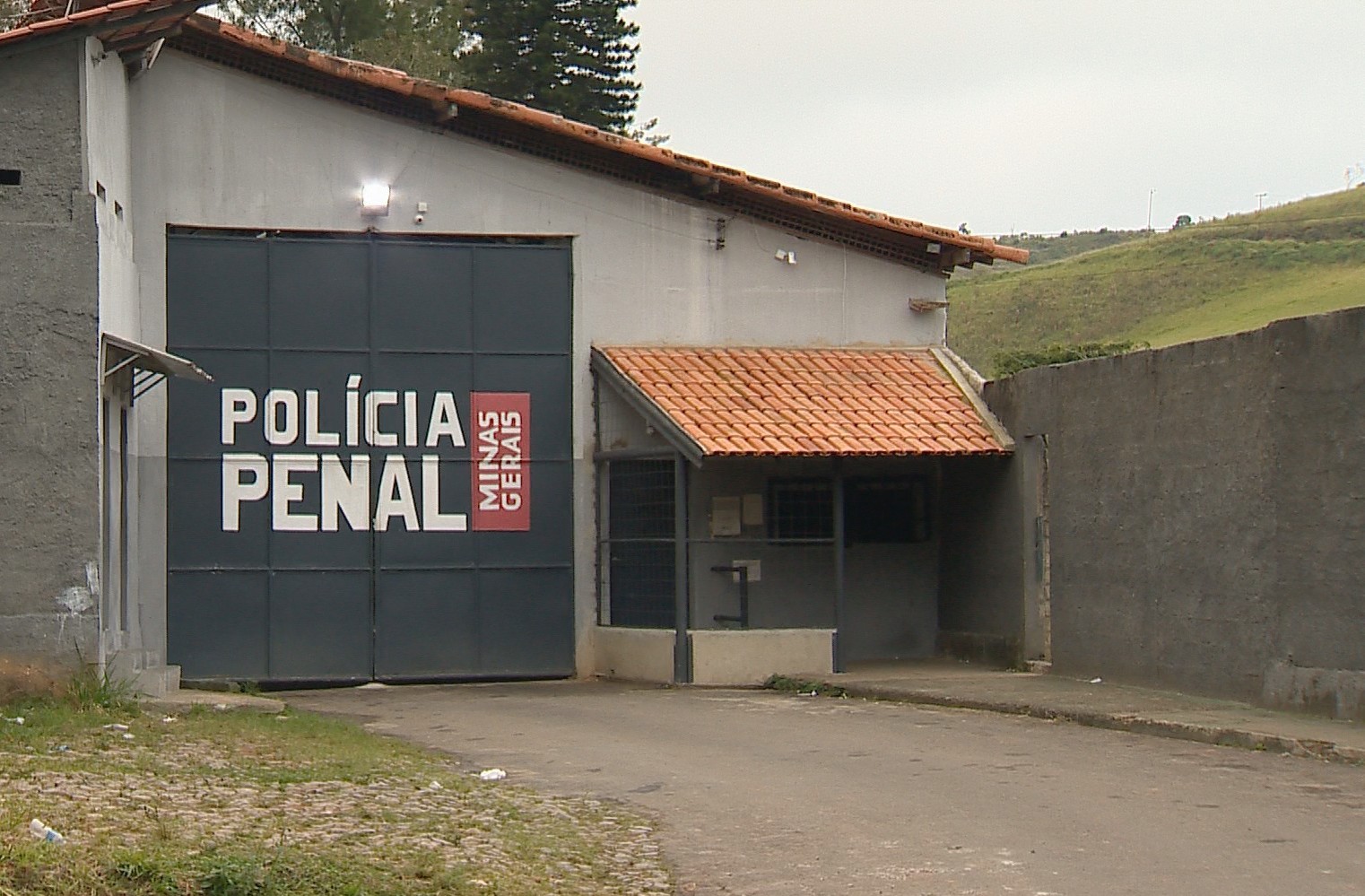
Two women were apprehended by correctional officers at the Ariosvaldo Campos Pires Penitentiary in Juiz de Fora, Brazil, on Sunday, May 5th, for attempting to smuggle a significant quantity of contraband. During a visitor screening, the women triggered suspicion from a body scanner, leading to their confession. They were found to be concealing 25 cell phones, 22 handmade chargers, and various other illicit items within their clothing. The confiscated items included 550 grams of tobacco, 6 cell phone power sources, 1 power bank, 1 cell phone screen, 12 lighters, 8 USB cables, 8 headphones, and 2 bottles of alcoholic beverages. Additionally, a package containing marijuana and hashish was seized. Following the initial discovery, correctional officers conducted a search of a nearby vegetated area, uncovering an additional 14 cell phones, 21 handmade chargers, 30 USB cables, and five lighters. The two women and all seized materials were transferred to the Civil Police Department for investigation. The State Secretariat of Justice and Public Security (Sejusp) confirmed the incident on Wednesday, May 8th. The penitentiary's administration has initiated an internal procedure to investigate the matter, suspended the visitors' registration, and will question the inmates intended to receive the smuggled goods before the unit's Disciplinary Council.
This incident highlights the persistent challenge of contraband introduction into correctional facilities, often facilitated by visitors. The use of body scanners indicates a technological arms race between security measures and concealment methods. The sheer volume of items suggests a coordinated effort, likely aimed at supplying inmates with communication and other unauthorized devices, which can undermine institutional control and security. The internal investigation and disciplinary actions are standard responses, but the systemic issue points to the need for continuous evaluation of visitor screening protocols, potential insider involvement, and the underlying demand for such items within the prison population. Addressing this requires a multi-faceted approach that balances security imperatives with the operational realities and resource constraints of the correctional system.
AI-generated to prompt reflection — not editorial opinion, not advice, not a statement of fact. How this works.