Two workers rescued from slave-like conditions in flooded, unsanitary housing in Brazil
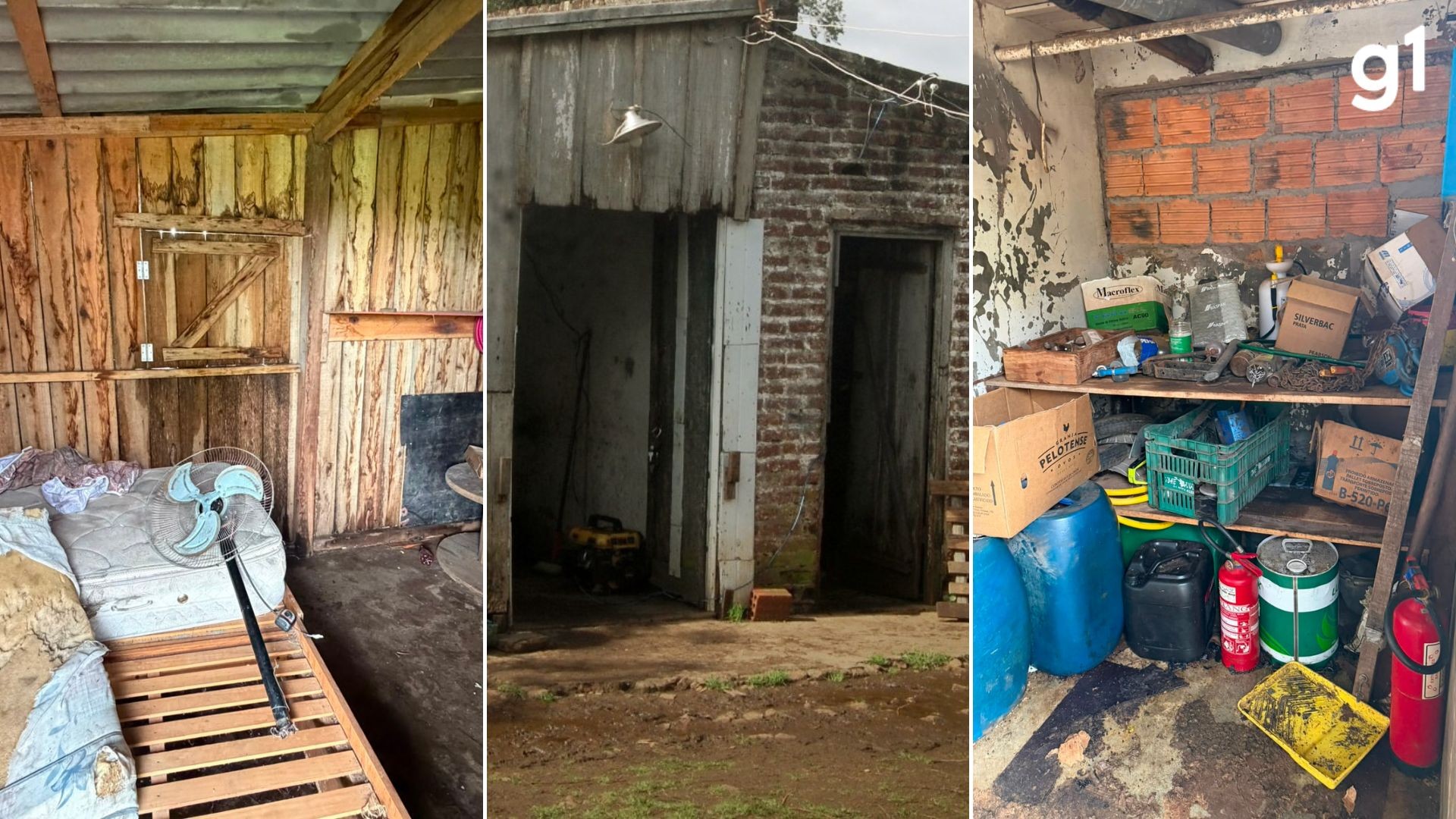
Two male workers, one Brazilian aged 44 and one Uruguayan aged 29, have been rescued from slave-like conditions on a cattle ranch in Santana do Livramento, Rio Grande do Sul, Brazil. The operation, conducted on Wednesday, May 29, and reported on Friday, May 31, revealed that the workers endured exhaustive workdays without weekly rest. Their living quarters were described as degrading and inhumane, situated below the septic tank level. During rainfall, the area would flood with feces-contaminated water. Inspectors also noted constant dampness, rotting wood, and entry points for pests. Toxic chemicals were stored near their sleeping areas. The makeshift wooden housing, which also served as storage for work equipment, suffered from roof and floor leaks, exposed electrical wiring, and dilapidated sanitation facilities. Animals, including dogs and sheep, had access to the sleeping quarters. Food found was in poor condition, with decomposing potatoes and a malfunctioning freezer. Neither worker had formal employment registration, paid weekly rest, or received safety training and equipment; they even purchased their own tools. The workers were escorted to safety by the Federal Police, and the Ministry of Labor and Employment will provide unemployment insurance. The Uruguayan worker will also receive a Brazilian CPF for benefits. Employers must pay over R$23,000 in severance, and the housing has been condemned due to severe health and safety risks. The Public Prosecutor's Office will pursue employer accountability, including compensation for workers and collective moral damages. The farm is reportedly owned by businessmen from Curitiba.
This incident highlights systemic failures in labor oversight and worker protection, particularly for vulnerable migrant populations. The discovery of conditions analogous to slavery, including unsanitary and hazardous housing, points to a severe breakdown in employer accountability and regulatory enforcement. The legal and financial repercussions for the employers, including severance pay and potential collective damages, aim to rectify past harms and deter future exploitation. However, the long-term challenge lies in strengthening preventative measures, such as more frequent and unannounced inspections, and ensuring accessible support systems for migrant workers. The incident also raises questions about the effectiveness of current legal frameworks in safeguarding against such extreme exploitation, especially in remote agricultural settings. Future policy might consider enhanced digital monitoring or community-based reporting mechanisms to identify and address such abuses more proactively.
AI-generated to prompt reflection — not editorial opinion, not advice, not a statement of fact. How this works.