Two Workers Rescued from Slavery-Like Conditions at Charcoal Kiln in Brazil
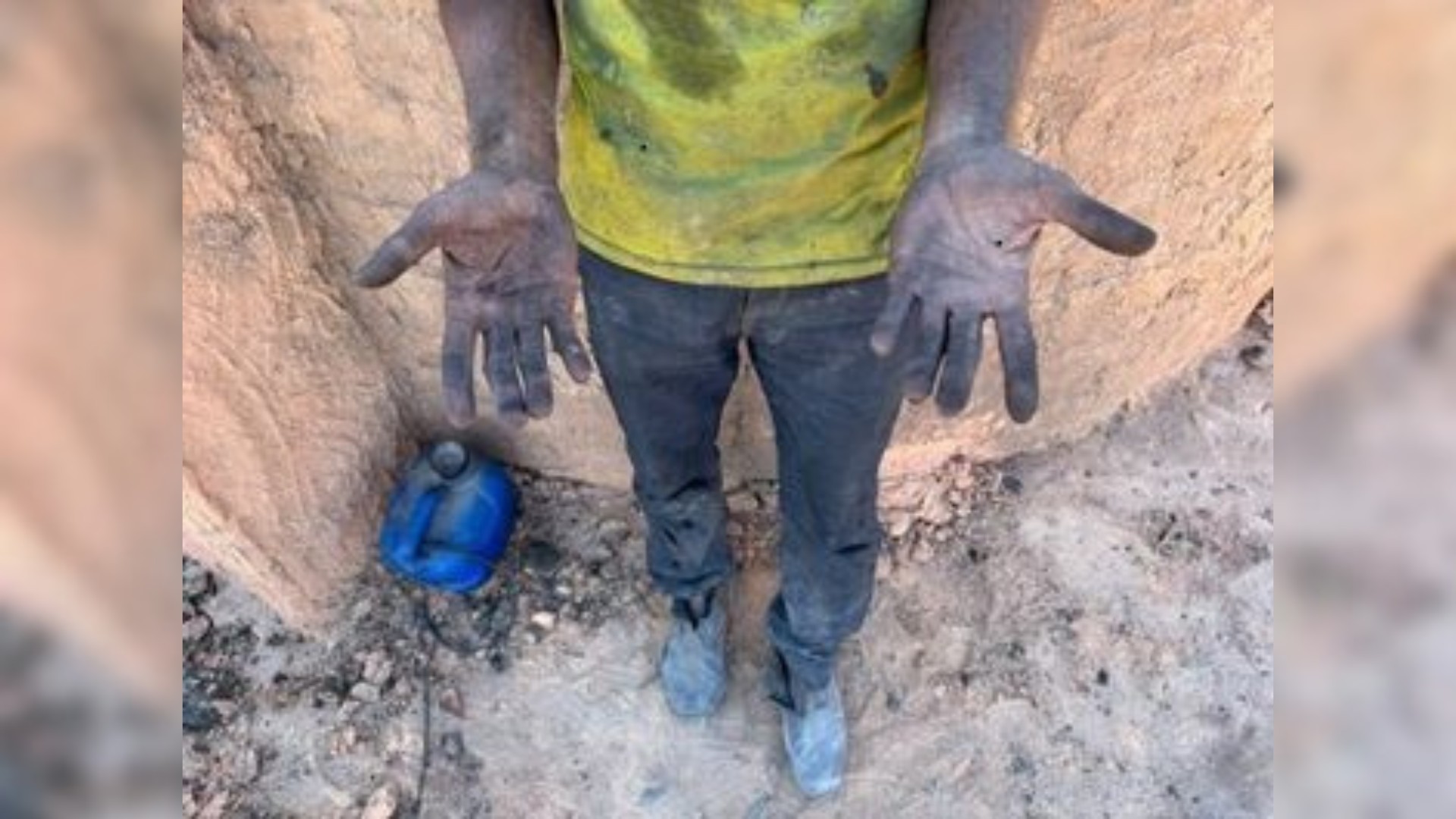
Two workers have been rescued from conditions considered analogous to slavery at a charcoal kiln in the rural area of Presidente Olegário, in Brazil's Alto Paranaíba region. One of the rescued individuals reported being on call 24 hours a day to manage the charcoal production furnaces, working without scheduled breaks or weekly rest periods. He stated, "I don't have a set time to work. I'm constantly tending to the furnaces, watching them burn when needed, day or night." The rescue operation, which occurred on Monday, May 13th, was conducted by a joint inspection team comprising auditors from the Ministry of Labor and Employment, prosecutors from the Public Ministry of Labor (MPT), and military police. The intervention followed a denunciation to the MPT alleging that approximately 20 workers were employed without formal contracts and lived in degrading conditions at the facility. However, only two workers were present during the inspection. The site presented precarious working conditions, lacking a bathroom near the furnaces, with workers provided only gloves as personal protective equipment, and their work boots deducted from their wages. Living quarters were described as having deteriorated walls, boarded-up windows, worn-out mattresses, and an oxidized refrigerator, alongside insufficient food and poor hygiene and safety standards. The payment system also raised concerns, as the employer provided food, deducting its cost from the workers' salaries. Prosecutors Hermano Domingues and Deusdedit Rodrigues de Sá Júnior confirmed that these irregularities constituted work in conditions analogous to slavery, including debt bondage due to wage deductions for food and an exhaustive work schedule. The workers' employment was officially recognized, leading to the payment of R$ 12,039.33 in severance pay, covering salary balance, pro-rata 13th salary, pro-rata vacation pay with a one-third bonus, and other entitlements. They also gained access to unemployment benefits for victims of slavery-like conditions. The MPT is continuing to monitor the case for further compensation and is seeking a Conduct Adjustment Agreement (TAC) to rectify the situation and prevent future exploitation.
This incident highlights systemic failures in labor oversight and enforcement, particularly in informal or remote sectors like charcoal production. The reported conditions of 24/7 availability, lack of rest, inadequate safety equipment, and substandard housing point to a severe exploitation of labor, exacerbated by a debt-bondage mechanism through food deductions. The MPT's intervention and subsequent severance payments represent a crucial step in rectifying immediate injustices. However, the underlying economic pressures and governance gaps that permit such practices to persist require deeper examination. Future efforts should focus on strengthening regulatory frameworks, increasing proactive inspections in high-risk industries, and ensuring accessible grievance mechanisms for vulnerable workers. The long-term challenge lies in fostering sustainable economic models that do not rely on the exploitation of labor, aligning with global trends towards ethical supply chains and corporate social responsibility in the coming decade.
AI-generated to prompt reflection — not editorial opinion, not advice, not a statement of fact. How this works.