Two Years of Measles Vaccine Shortages Threaten Herd Immunity in Bangladesh
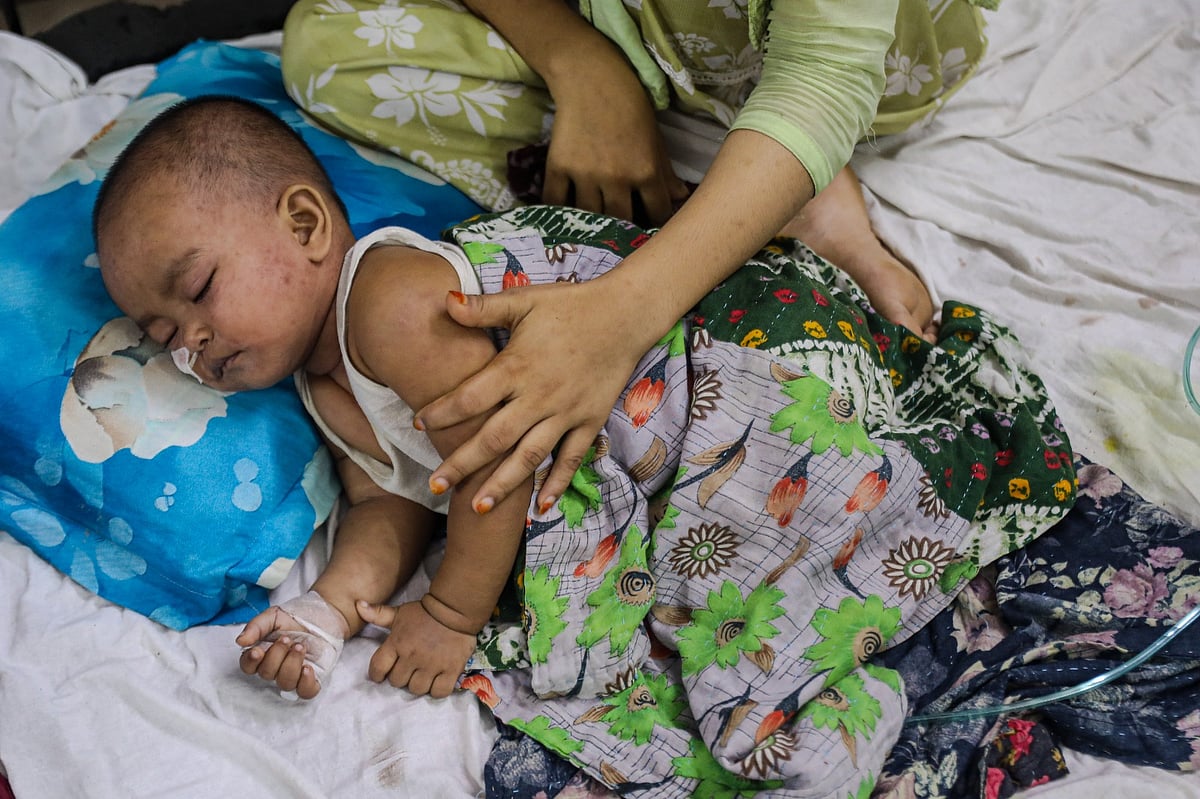
Bangladesh is facing a significant risk to its measles herd immunity due to consecutive years of vaccine shortages. Professor Mahmudur Rahman stated that failing to achieve necessary vaccination coverage for two years in a row creates an immunity gap. This gap increases the likelihood of a major measles outbreak in the future. The ongoing deficit in vaccine supply jeopardizes the country's efforts to control and eradicate the disease. Public health experts are concerned that this situation could reverse the progress made in child immunization programs. Ensuring consistent vaccine availability is crucial to maintaining population immunity and preventing widespread transmission. The implications of this shortage extend beyond immediate health concerns, potentially impacting long-term public health infrastructure and resources.
The recurring measles vaccine shortages in Bangladesh highlight systemic challenges in supply chain management and public health resource allocation. Consistent vaccine availability is fundamental for achieving and maintaining herd immunity, a critical public health goal. The 'immunity gap' described by Professor Rahman suggests a potential vulnerability that could lead to increased disease incidence, disproportionately affecting younger populations. Future policy considerations should focus on strengthening procurement, distribution networks, and potentially diversifying supply sources to mitigate such risks and ensure sustained immunization coverage against preventable diseases.
AI-generated to prompt reflection — not editorial opinion, not advice, not a statement of fact. How this works.