Two Years, Two Task Forces: Can India Fix Its Exam System?
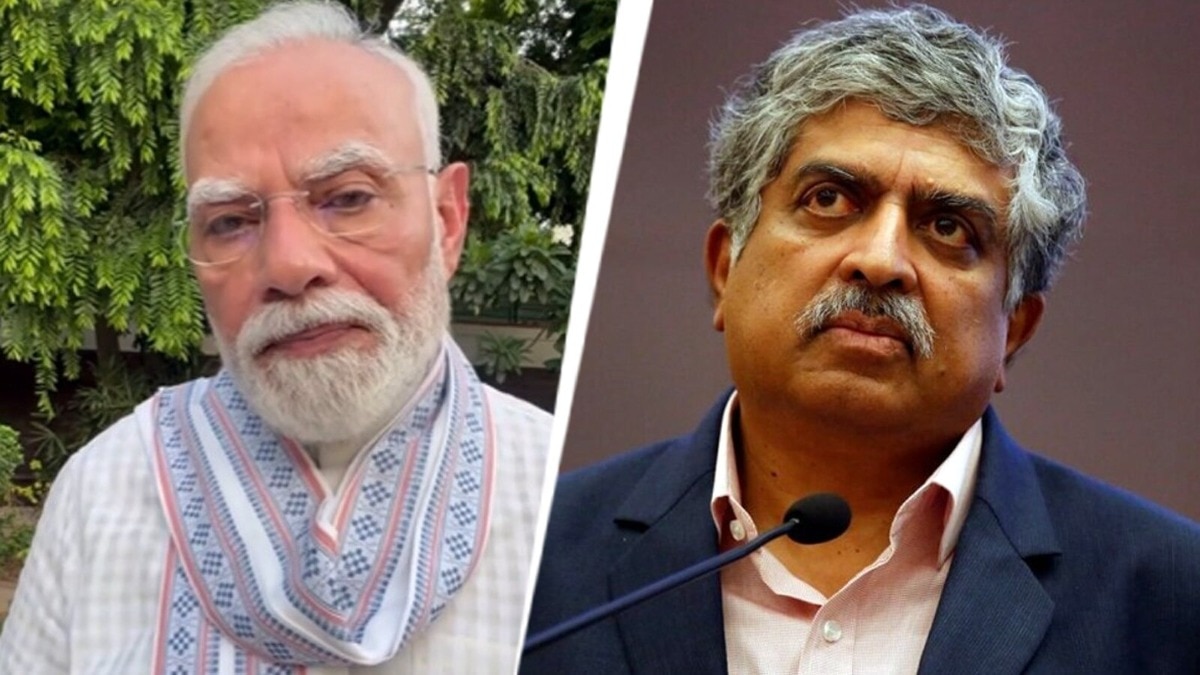
India is attempting to reform its examination system and restore student confidence through the establishment of high-level committees and task forces. A previous effort in 2024 involved a committee named after Dr. Radhakrishnan. Now, Nandan Nilekani has been appointed to lead a new High-Powered Task Force, tasked with the same objective of improving the examination system. This marks the second significant initiative within a two-year period aimed at addressing systemic issues in student assessments. The focus remains on ensuring fairness and reliability in the testing process to regain trust among students and stakeholders. The formation of these bodies signifies a continued commitment to overhauling the educational assessment framework.
The recurring formation of high-level committees and task forces to reform India's examination system suggests a persistent challenge in achieving systemic improvements. While appointing prominent figures like Nandan Nilekani indicates a serious intent, the effectiveness of such bodies often hinges on their mandate, autonomy, and the government's commitment to implementing their recommendations. The repeated attempts highlight potential structural inefficiencies or resistance to change within the existing examination infrastructure. Future efforts will likely need to consider not just policy recommendations but also the practical implementation challenges and the integration of technology to ensure a more robust and trustworthy system for students in the long term.
AI-generated to prompt reflection — not editorial opinion, not advice, not a statement of fact. How this works.