Two Young Adults Die After Porsche Crashes, Explodes in Campinas, Brazil
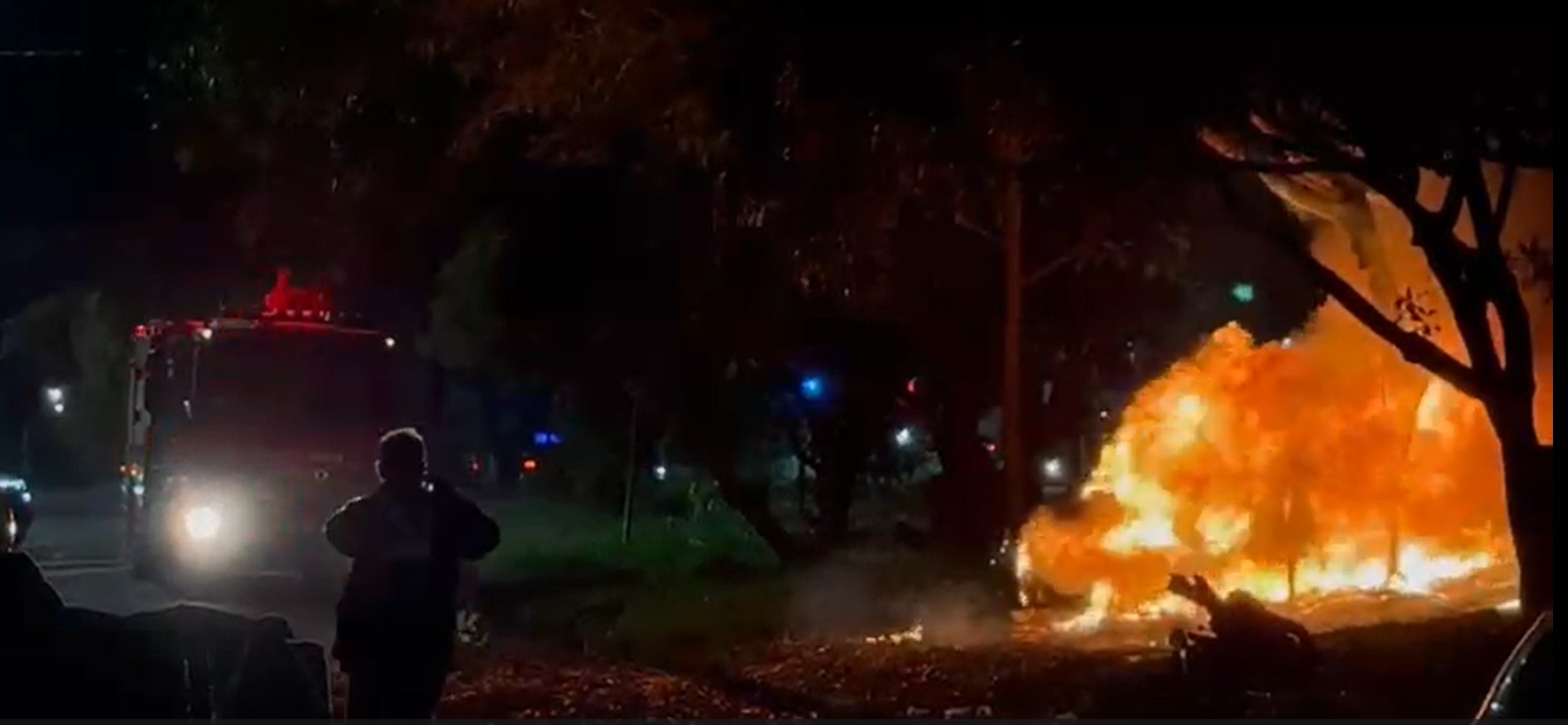
A tragic accident occurred on July 10th in Campinas, São Paulo, Brazil, when a 2024 Porsche Cayman crashed into a tree on the Rodovia Francisco Von Zuben. The luxury vehicle subsequently exploded and was engulfed in flames, resulting in the deaths of its two occupants. The victims have been identified as Arthur Rodrigues de Souza, 20, the owner and driver, and Lívia Bevilacqua Batista, 20, the passenger. Arthur, a medical student at São Leopoldo Mandic in Campinas, was originally from Albertina, Minas Gerais. Lívia was a student of International Relations at PUC-Campinas, with her enrollment currently on leave. The pair had reportedly dined at the SeoRosa Gramado restaurant before the incident. Lívia had sent her sister a fleeting image from inside the car on their way home before all communication ceased. The case was initially registered as 'collision, fire, and suspicious death' but is now being investigated as a culpable homicide by a motor vehicle, indicating recklessness rather than intent. Lívia's body was identified by the IML and released on the evening of July 16th, though her burial arrangements were still pending. Her family has been visiting the accident site daily. The Civil Police are actively investigating the precise causes of the crash and have requested a toxicology report for Arthur to determine if any substances may have contributed to the accident.
This incident highlights the inherent risks associated with high-speed driving, particularly in powerful vehicles. The investigation into the exact causes, including the potential role of toxicology, is crucial for understanding the contributing factors. Beyond individual actions, the event prompts consideration of broader societal issues such as road safety infrastructure, the culture surrounding high-performance vehicles, and the psychological pressures that might influence driver behavior. Examining the systemic factors that contribute to such tragedies can inform future preventative measures and promote a more responsible approach to automotive technology and its use.
AI-generated to prompt reflection — not editorial opinion, not advice, not a statement of fact. How this works.