Typhoon Bavi: 15 dead in Philippines, Taiwan on high alert with evacuations
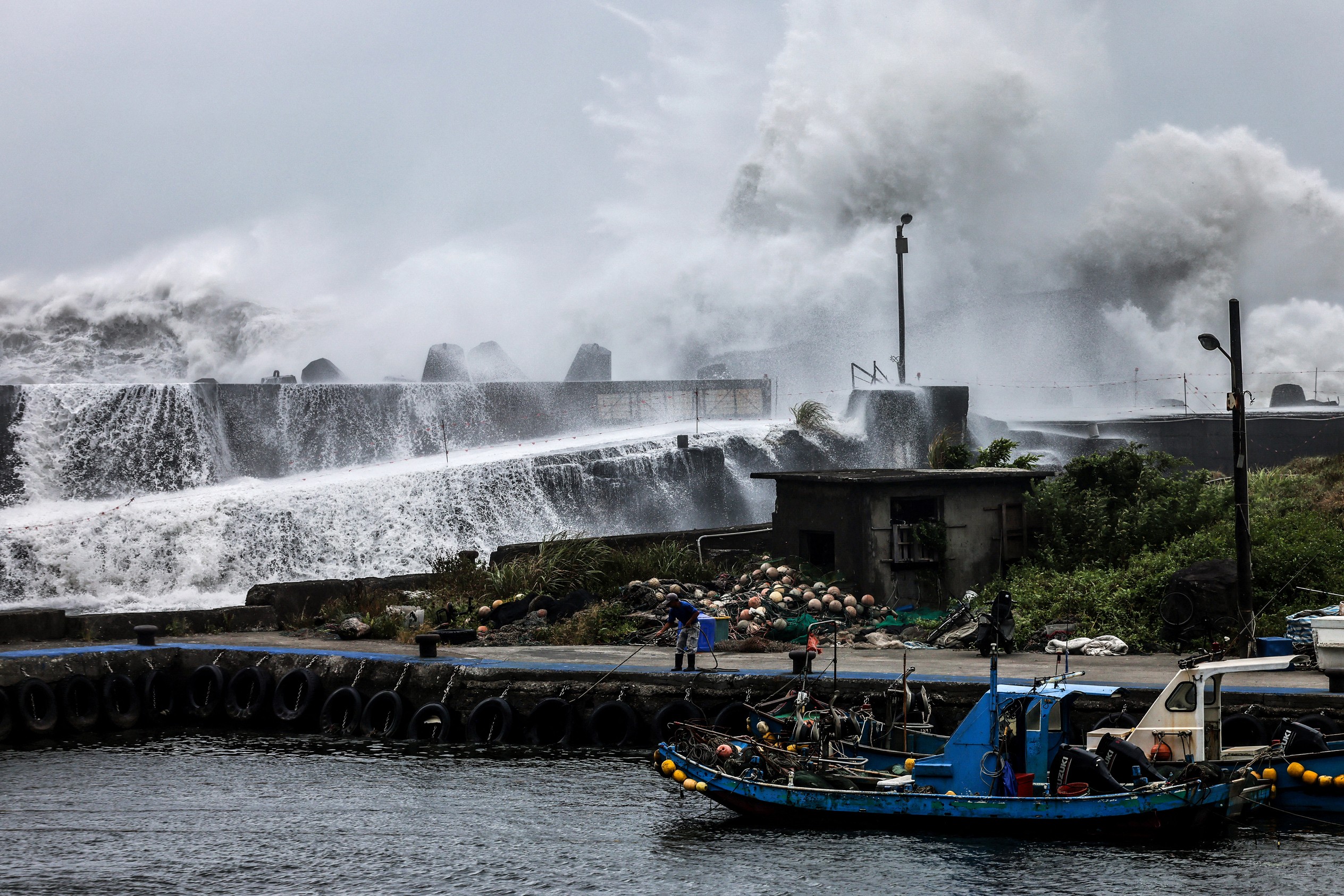
Typhoon Bavi has caused at least 15 fatalities in the Philippines, with six people still missing following landslides on the island of Mindanao. The storm is now advancing towards Taiwan, prompting over 2,000 residents to evacuate their homes. The typhoon is expected to impact northern and eastern Taiwan, as well as Japan's southwestern islands, between Friday and Saturday, before making landfall in China. In Taiwan's port city of Keelung, residents prepared by stocking up on food and reinforcing windows, with many schools and businesses closing. The Central Weather Administration reported Bavi's winds reaching 155 km/h, with gusts up to 190 km/h, though it is expected to weaken due to unfavorable environmental conditions. Meteorologists predict nearly a meter of rain, increasing the risk of floods and landslides, particularly in the mountainous Hualien county. Taiwanese President Lai Ching-te urged maximum alert in exposed areas, and nearly 28,000 military personnel have been mobilized for emergencies. This follows recent severe storms in China, including Typhoon Maysak, which caused at least 39 deaths. The increasing intensity of tropical cyclones is linked to record-high ocean temperatures observed in June, which contribute to more intense rainfall.
The trajectory of Typhoon Bavi highlights the increasing vulnerability of coastal regions to extreme weather events, exacerbated by rising ocean temperatures. The proactive evacuations and military mobilization in Taiwan demonstrate a growing capacity for disaster preparedness, a critical adaptation strategy for the AI era. However, the recurring pattern of significant loss of life and infrastructure damage in the Philippines and China underscores systemic challenges in resilience and early warning systems. Future planning must integrate advanced climate modeling and robust infrastructure development to mitigate the escalating impacts of intensified storm systems, considering the interconnectedness of environmental factors and human safety.
AI-generated to prompt reflection — not editorial opinion, not advice, not a statement of fact. How this works.