Typhoon Bavi Aftermath: Rescue Efforts Underway in China
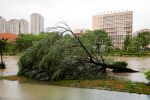
Following the passage of Typhoon Bavi in China, extensive operations are being conducted by rescue forces. The typhoon's arrival prompted a significant precautionary measure, with nearly two million people being evacuated to safety before the storm made landfall. The full extent of the damage and the ongoing rescue efforts are currently being assessed. The evacuation of such a large number of people highlights the severity of the threat posed by the typhoon and the preparedness measures taken by authorities. Further details on the impact of Typhoon Bavi and the progress of the rescue missions are expected to be released as the situation develops.
The large-scale evacuation preceding Typhoon Bavi underscores the critical role of early warning systems and disaster preparedness in mitigating the impact of extreme weather events. While the successful evacuation of nearly two million people demonstrates effective risk management, the subsequent 'Großeinsatz' (major operation) for rescue forces indicates that significant challenges remain in post-disaster recovery. This situation prompts consideration of the long-term resilience of infrastructure and communities in typhoon-prone regions, especially in the context of evolving climate patterns. Future strategies may need to balance immediate evacuation protocols with sustainable development and adaptive building practices to minimize both human displacement and economic disruption.
AI-generated to prompt reflection — not editorial opinion, not advice, not a statement of fact. How this works.