Typhoon Bavi Displaces Millions Across China and Taiwan Amidst Heavy Rains
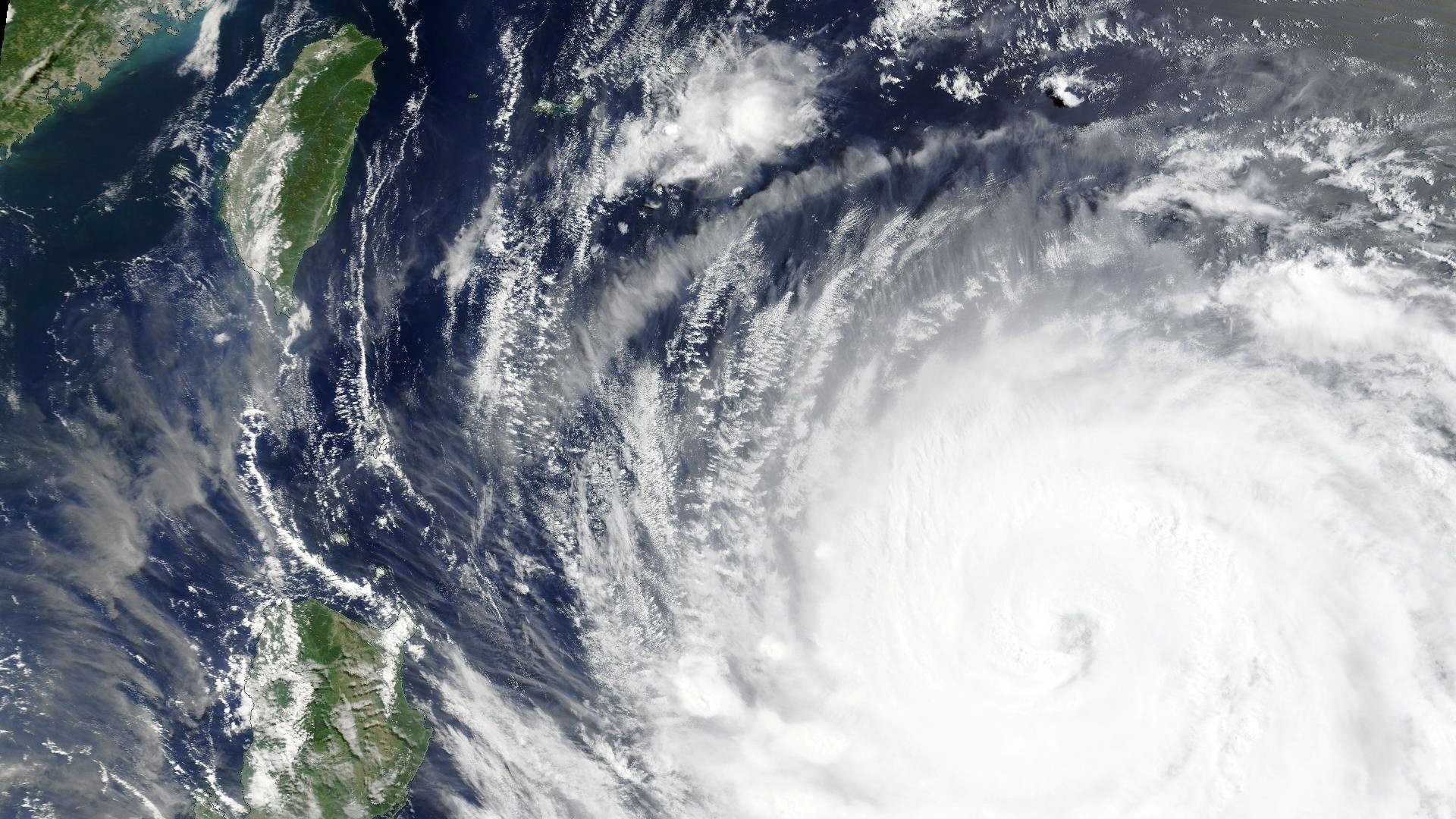
Typhoon Bavi has caused significant displacement, with over 2 million people evacuated from their homes in China as a precautionary measure. The storm, which intensified monsoon rains, also led to the evacuation of over 11,000 residents in the southern Philippines due to landslides and floods, resulting in 17 fatalities and nine people still missing as of Saturday, July 11. In Taiwan, more than 14,000 people were moved to safety, particularly in mountainous areas prone to landslides. The typhoon's approach prompted extensive disruptions, including the cancellation of over 1,100 flights and suspension of ferry and rail services in Taiwan. Nearly 70,000 homes in Taiwan experienced power outages due to strong winds and heavy rainfall. China's Zhejiang province, expecting landfall on Sunday morning, evacuated over 1.7 million people, suspending classes, work, transportation, and outdoor activities, with hundreds of flights and dozens of train services canceled. Bavi follows a series of natural disasters in China, including recent typhoons Maysak and storms in Gansu and Hubei provinces that caused numerous deaths. While Bavi was once classified as a super typhoon, it has since lost some intensity but remains a significant threat.
The widespread evacuations and disruptions caused by Typhoon Bavi highlight the increasing vulnerability of densely populated coastal regions to extreme weather events, exacerbated by climate change. The event underscores the critical need for robust disaster preparedness infrastructure and effective early warning systems, particularly in regions experiencing a higher frequency of natural calamities. The economic impact, including canceled flights and suspended transportation, necessitates forward-looking strategies for climate resilience in critical infrastructure and supply chains. Future planning must integrate advanced meteorological forecasting with urban development policies to mitigate risks to both human life and economic stability in the face of intensifying weather patterns.
AI-generated to prompt reflection — not editorial opinion, not advice, not a statement of fact. How this works.