Typhoon Bavi Forces Evacuation of Over 1 Million in China After Causing Injuries in Taiwan and Japan
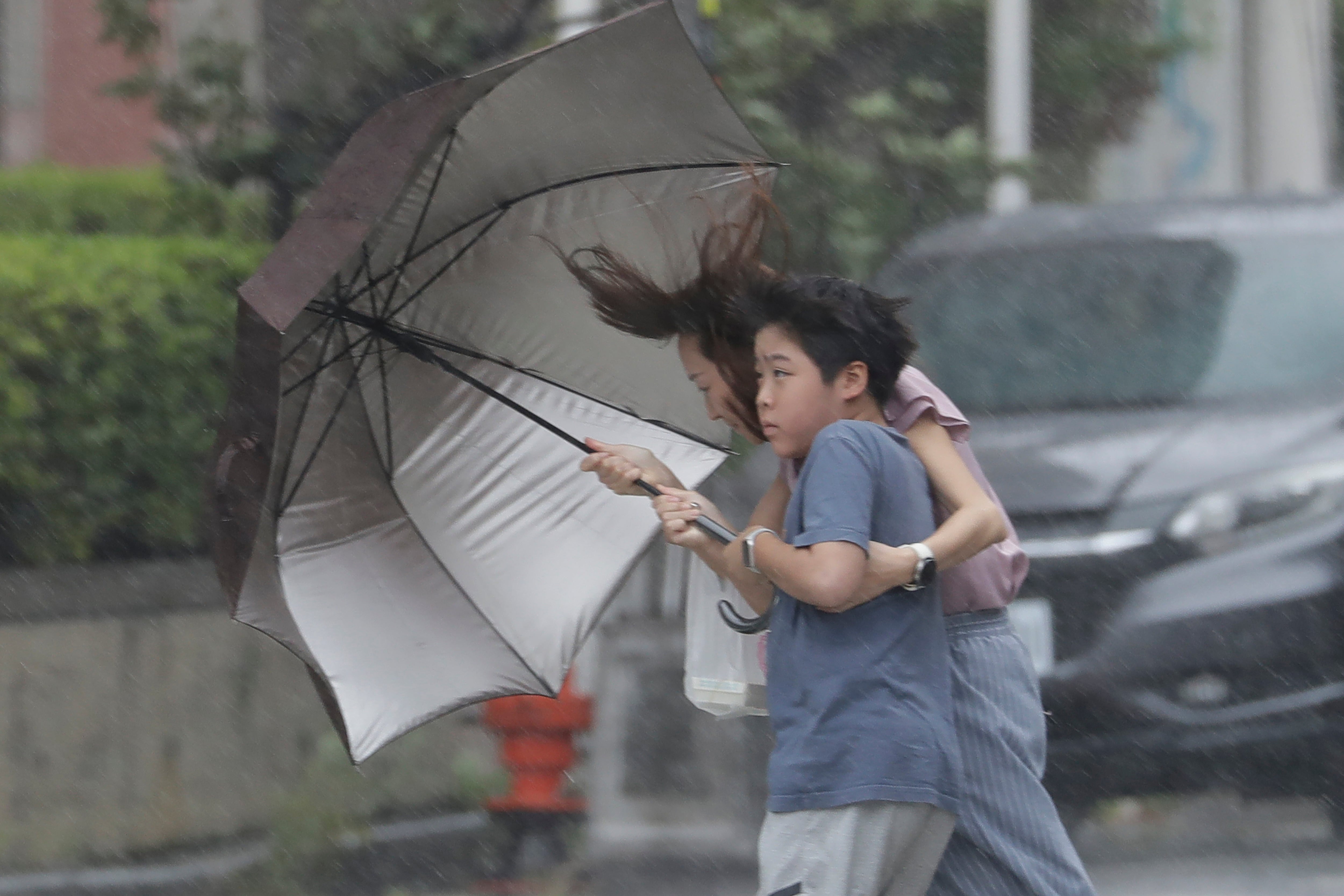
Typhoon Bavi has prompted the evacuation of more than one million people in China as it approaches the coast. The storm has already impacted other regions, causing at least 87 injuries in Taiwan and five minor injuries in Japan. Despite a reduction in its speed and intensity, Typhoon Bavi continues to pose a significant risk. The ongoing threat necessitates large-scale precautionary measures, including the mass evacuation of residents in vulnerable areas. Authorities are monitoring the typhoon's trajectory closely to manage the situation and mitigate potential damage. The storm's path highlights the vulnerability of coastal communities to extreme weather events. The focus remains on ensuring public safety and providing necessary support to those affected by the typhoon's passage.
The approach of Typhoon Bavi underscores the increasing frequency and intensity of extreme weather events, likely exacerbated by climate change. The mandatory evacuation of over a million individuals in China reflects the critical need for robust disaster preparedness and response infrastructure. While international cooperation in sharing weather data and coordinating responses is vital, the differing impacts on Taiwan and Japan, alongside China's extensive evacuations, suggest varying levels of resilience and resource allocation. Future preparedness strategies must integrate advanced climate modeling and early warning systems to minimize human and economic costs, while also considering the long-term implications of climate-induced migration and infrastructure adaptation.
AI-generated to prompt reflection — not editorial opinion, not advice, not a statement of fact. How this works.