Typhoon Bavi Forces Evacuations and Disrupts Transport in Eastern China
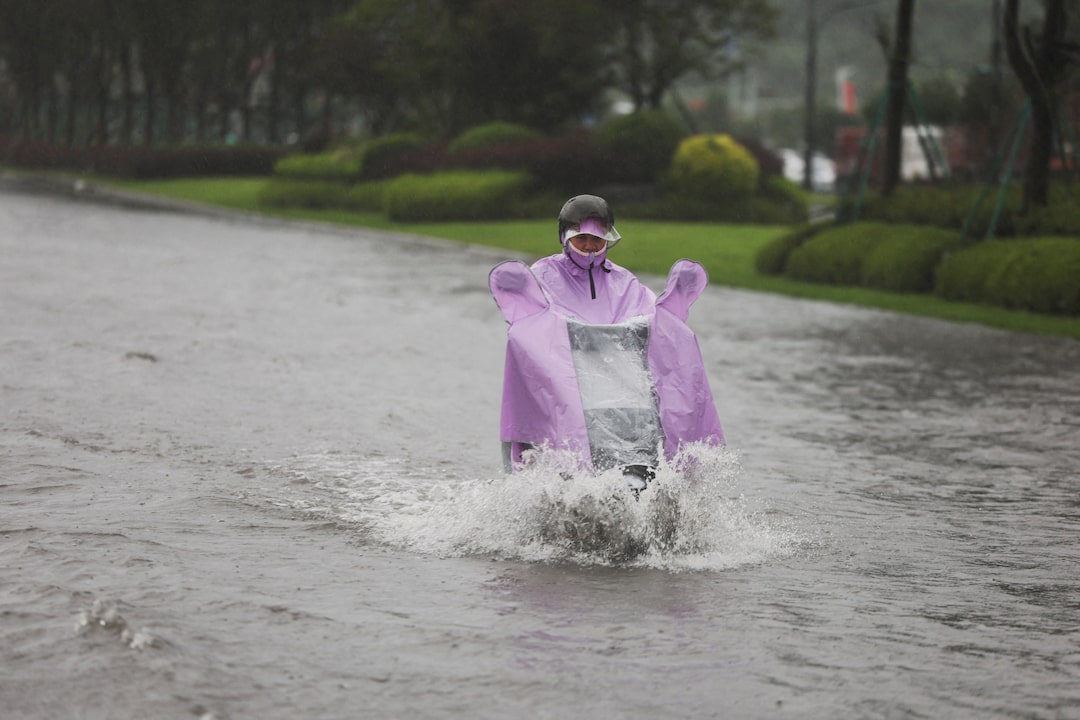
Typhoon Bavi has made landfall in eastern China, prompting the evacuation of nearly 2 million people from coastal areas. The powerful storm is expected to bring several days of heavy rainfall, increasing the risk of floods, landslides, and significant transport disruptions. Authorities have implemented extensive measures to mitigate the impact of the typhoon, which has already affected multiple coastal regions. The evacuations are a precautionary measure to ensure the safety of residents in areas prone to severe weather impacts. The storm's trajectory suggests a prolonged period of adverse weather, posing ongoing challenges for emergency services and local communities. The full extent of the damage is yet to be determined, but initial reports indicate widespread disruption to daily life and infrastructure. Efforts are underway to manage floodwaters and secure vulnerable areas against potential landslides.
The large-scale evacuation preceding Typhoon Bavi's impact highlights the critical role of disaster preparedness in densely populated coastal regions. This event underscores the increasing frequency and intensity of extreme weather events, likely exacerbated by climate change, necessitating robust infrastructure and resilient urban planning. The economic implications of such disruptions, including damage to property, agricultural losses, and the cost of emergency response, warrant long-term strategies for climate adaptation and mitigation. Future resilience will depend on integrating advanced meteorological forecasting with effective, community-level response mechanisms and sustainable development practices that account for environmental vulnerabilities.
AI-generated to prompt reflection — not editorial opinion, not advice, not a statement of fact. How this works.