Typhoon Bavi: Millions Evacuated Ahead of Strongest Storm of the Year
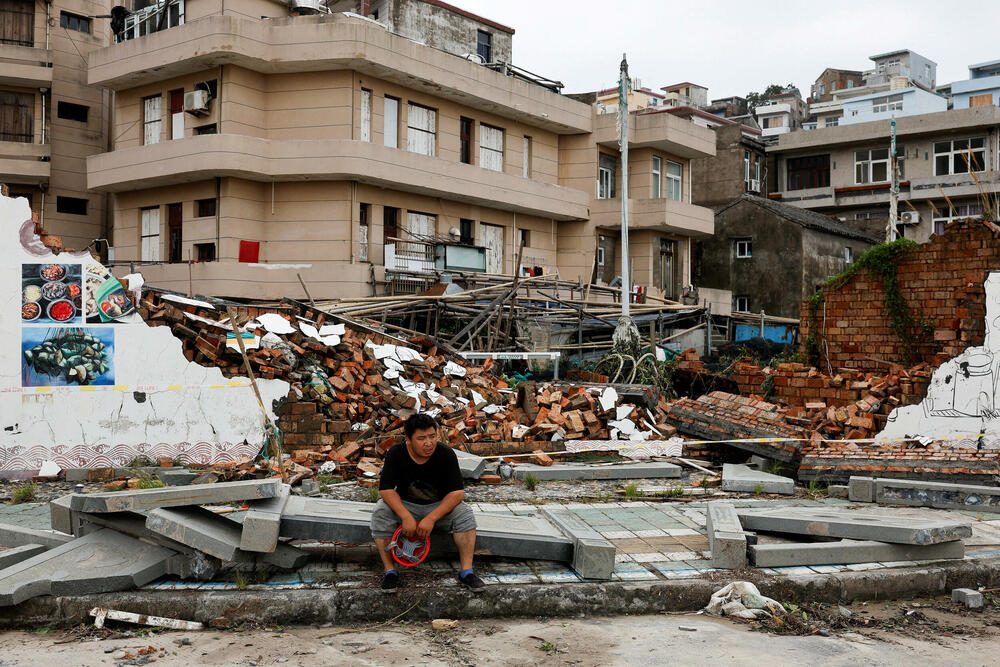
Typhoon Bavi, the most powerful storm to hit the region this year, prompted the evacuation of nearly two million people. The majority of these evacuations occurred in Zhejiang province, a significant economic and technological hub within China. Zhejiang is recognized as one of the key centers of the world's second-largest economy. The storm's approach necessitated widespread precautionary measures to protect the population. The scale of the evacuation highlights the potential impact of severe weather events on densely populated and economically vital areas. Zhejiang province's role as a major industrial and technological center means that such events can also have significant economic repercussions.
The extensive evacuation preceding Typhoon Bavi's arrival underscores the critical need for robust disaster preparedness in economically vital regions. While the immediate focus is on public safety, the disruption to Zhejiang province, a key driver of China's economy, raises questions about the long-term resilience of such hubs against increasingly severe weather patterns. Future planning must integrate climate adaptation strategies to mitigate both human and economic costs, ensuring that technological and economic progress does not outpace environmental safeguards. This event serves as a reminder of the interconnectedness of environmental stability, economic prosperity, and societal well-being in the face of global climate shifts.
AI-generated to prompt reflection — not editorial opinion, not advice, not a statement of fact. How this works.