Typhoon Bavi Nears East Asia After Killing 15 in Philippines
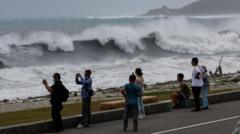
Typhoon Bavi, a massive storm spanning 1,000 kilometers, is currently heading towards Taiwan and southeastern China. This powerful typhoon is anticipated to be one of the strongest to hit the region in decades. Before reaching East Asia, the storm caused significant devastation in the Philippines, where it triggered landslides that resulted in the deaths of at least 15 people. The scale of the typhoon suggests a high potential for widespread destruction as it approaches its next destinations. Authorities in Taiwan and China are preparing for its impact, bracing for what could be a severe weather event. The storm's trajectory and intensity underscore the increasing ferocity of tropical cyclones in recent years. Residents in the affected areas are being urged to take necessary precautions and follow evacuation orders if issued.
The approach of Typhoon Bavi highlights the escalating impact of extreme weather events, likely exacerbated by climate change dynamics. As the storm targets densely populated areas in Taiwan and China, preparedness and infrastructure resilience will be critical. The tragic loss of life in the Philippines from landslides underscores the interconnectedness of meteorological events and geological vulnerabilities, demanding integrated disaster management strategies. Future planning must consider enhanced early warning systems and robust land-use policies to mitigate risks associated with increasingly powerful typhoons and their secondary impacts.
AI-generated to prompt reflection — not editorial opinion, not advice, not a statement of fact. How this works.