Typhoon Bavi Prompts Evacuations for Hundreds of Thousands in Taiwan and China
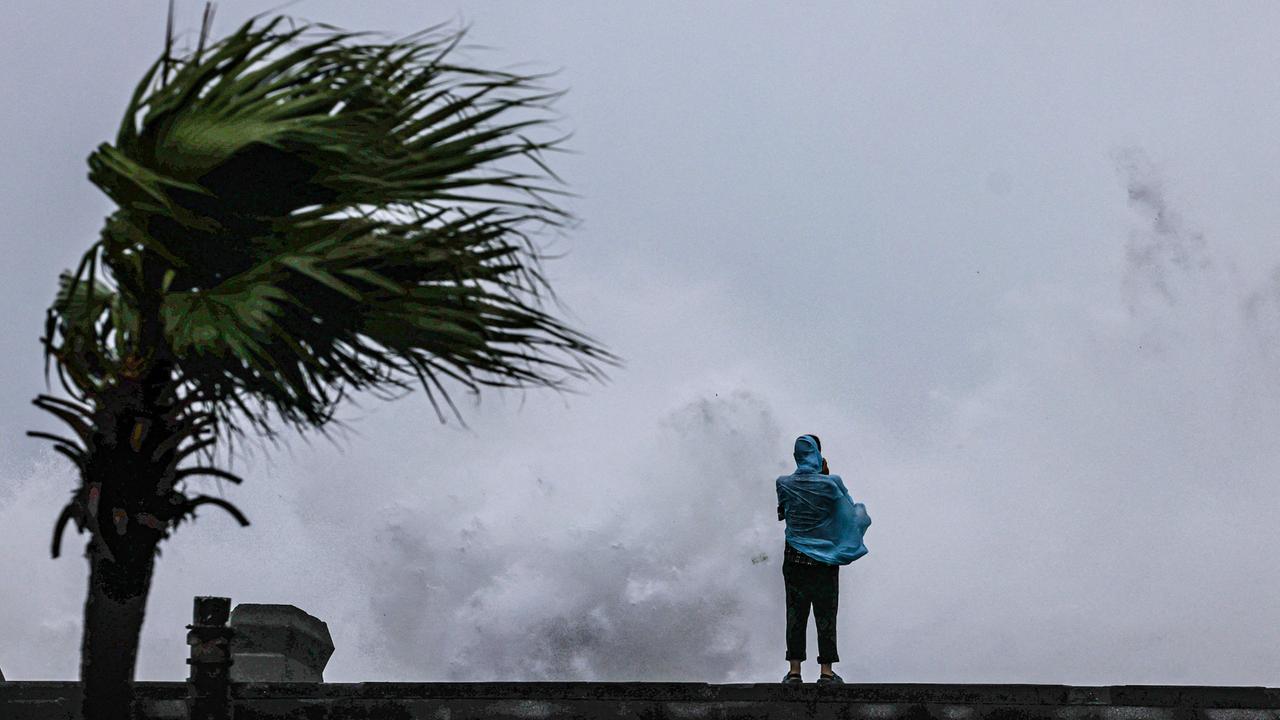
Typhoon Bavi, previously a super typhoon, is now approaching Taiwan and China with slightly reduced intensity. Despite the weakening, authorities remain on high alert and have ordered the evacuation of hundreds of thousands of people to ensure their safety. The storm's trajectory poses a significant threat to coastal regions in both Taiwan and mainland China. Emergency services are mobilizing resources to manage the potential impact, including heavy rainfall, strong winds, and possible flooding. Residents in vulnerable areas are being urged to follow official evacuation orders and seek shelter in designated safe locations. The scale of the evacuations highlights the serious concern authorities have regarding the typhoon's potential destructive power. Preparations are underway to mitigate damage and provide assistance to those affected by the storm. The situation is being closely monitored as Bavi makes its final approach.
The response to Typhoon Bavi underscores the critical importance of robust disaster preparedness systems in regions prone to extreme weather events. The decision to evacuate hundreds of thousands reflects a proactive approach to risk management, prioritizing human safety over potential economic disruption. This situation highlights the ongoing tension between natural hazards and human infrastructure, particularly in densely populated coastal areas. As climate patterns shift, the frequency and intensity of such storms may increase, necessitating continuous investment in early warning systems, resilient infrastructure, and effective evacuation protocols. The challenge for governments will be to balance these preparedness costs with other development priorities, while also considering the long-term implications of climate change on regional stability and security.
AI-generated to prompt reflection — not editorial opinion, not advice, not a statement of fact. How this works.