U.S. House Passes Bill to Halt War Powers Against Iran, Symbolically Rebuking Trump
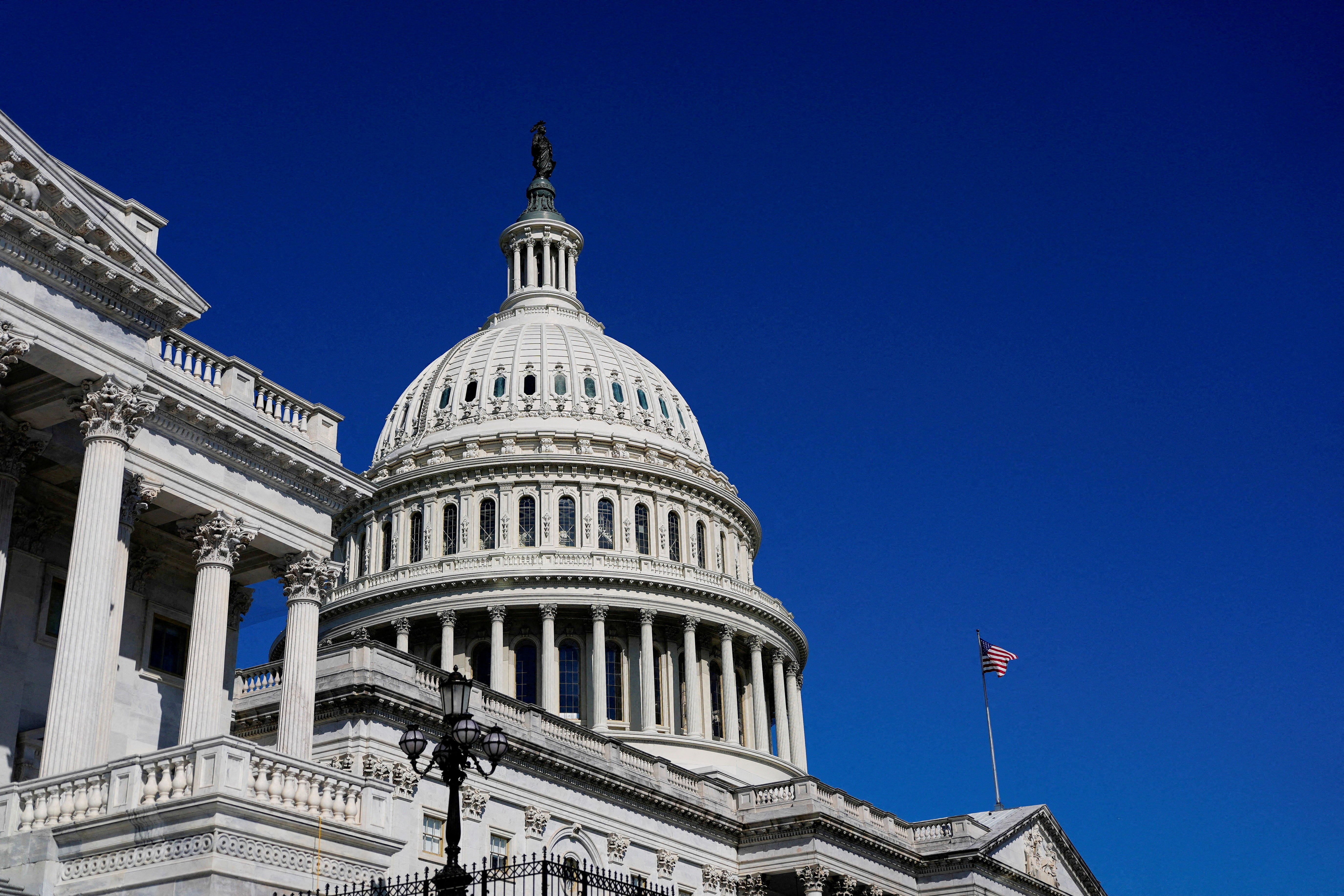
The U.S. House of Representatives, with a Republican majority, approved a bill on Thursday, February 23rd, aimed at suspending U.S. military action against Iran unless authorized by Congress. The symbolic rebuke of President Donald Trump passed with a vote of 214 to 208, with four Republicans joining Democrats. Introduced by Representative Pramila Jayapal of Washington, the resolution mandates Trump to "withdraw United States Armed Forces from hostilities" against Iran. However, the measure's impact is largely symbolic, as similar resolutions have failed to end conflicts previously. Furthermore, the bill would require Trump's ratification to become legally binding, which is unlikely given his stance. The four Republicans who supported the bill were Tom Barrett (Michigan), Brian Fitzpatrick (Pennsylvania), Warren Davidson (Ohio), and Thomas Massie (Kentucky). The Senate, also controlled by Republicans, rejected a similar measure on the same day. This vote follows President Trump's announcement of intensified attacks against Iran due to the deaths of American soldiers, promising "great military retaliation" against Iran and its Houthi allies in Yemen after attacks on Saudi oil tankers in the Red Sea. These actions have expanded the conflict to a second maritime chokepoint beyond the Strait of Hormuz, occurring shortly after the end of a temporary truce. In response to U.S. airstrikes, Iran has fired upon American bases in neighboring countries.
The U.S. House's passage of a resolution limiting presidential war powers against Iran, though symbolic, highlights a persistent legislative tension regarding executive authority in foreign conflicts. While the bill's lack of legal force due to likely presidential veto and Senate opposition underscores the limits of congressional influence, it serves as a public signal of dissent. This event reflects underlying concerns about escalating military engagement in the Middle East and the strategic implications of such actions. Future legislative efforts may focus on mechanisms to strengthen congressional oversight, potentially leveraging appropriations or requiring more robust justifications for military deployments, in alignment with evolving geopolitical dynamics and the increasing scrutiny of prolonged military interventions in the AI era.
AI-generated to prompt reflection — not editorial opinion, not advice, not a statement of fact. How this works.