UAE Seeks Strategic Partnership with Israel Beyond Netanyahu
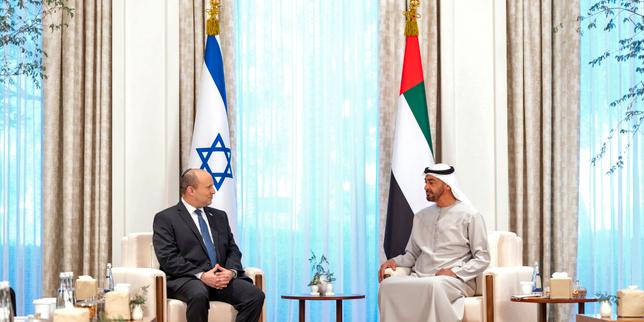
The United Arab Emirates (UAE) is reportedly hesitant to confirm an upcoming spring visit by Israeli Prime Minister Benjamin Netanyahu. This reluctance stems from a desire to ensure the strategic partnership between the UAE and Israel is institutionalized and endures beyond the current political leadership. Historian Jean-Pierre Filiu explained in his commentary that the UAE aims to embed their close cooperation with Israel within a stable, long-term framework. This approach suggests a strategic move to insulate the bilateral relationship from the political fortunes of individual leaders. By not tying the partnership's future solely to Netanyahu, the UAE appears to be safeguarding its investment in the relationship. The goal is to create a durable alliance that can withstand changes in Israeli government. This institutionalization aims to provide predictability and stability for future cooperation.
The UAE's strategic calculus in seeking to institutionalize its partnership with Israel, independent of Prime Minister Netanyahu's tenure, reflects a sophisticated approach to geopolitical risk management. By prioritizing long-term institutional frameworks over leader-specific relationships, the UAE aims to build resilience into its foreign policy objectives. This strategy acknowledges the inherent volatility of electoral politics and seeks to create a more predictable and enduring alliance. Such a move could foster greater stability in the region by establishing a baseline of cooperation that transcends immediate political shifts, potentially influencing how other nations engage with evolving regional dynamics in the coming decade.
AI-generated to prompt reflection — not editorial opinion, not advice, not a statement of fact. How this works.