UAE Team's Strength Grows with Pogacar-Del Toro Bond, While Red Bull Faces Rivalry Challenges
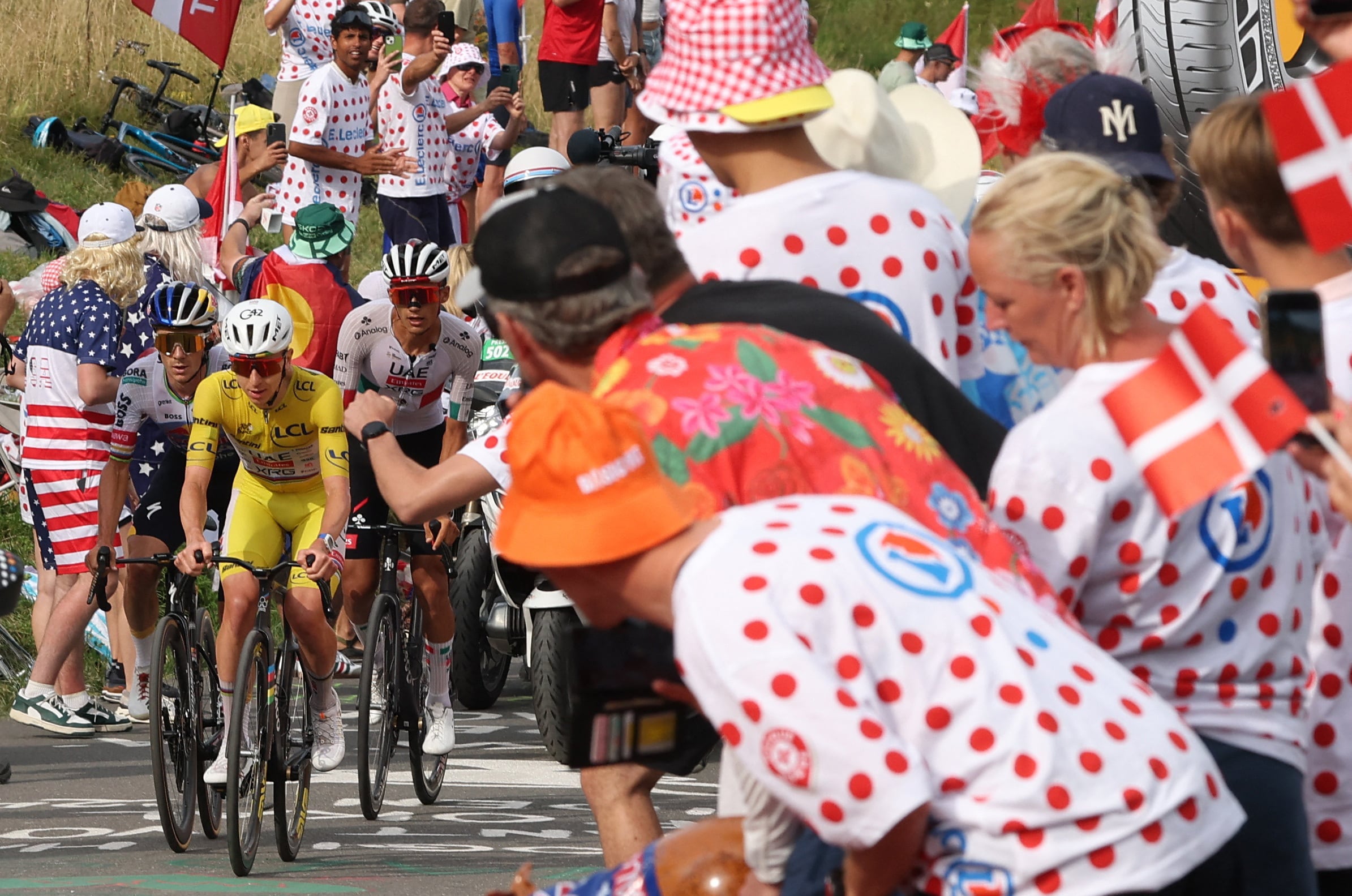
The dynamics within cycling teams are being highlighted by recent events, showcasing how squad management navigates both cooperation and internal rivalries. Tadej Pogacar's victory in Solaison was significantly aided by the efforts of his teammate, Juanpe López, demonstrating effective teamwork. In contrast, the rivalry between Remco Evenepoel and Santiago Buitrago appears to be a point of contention for the Red Bull-Bora-Hansgrohe team, potentially impacting their performance. The recent fall of Jonas Vingegaard also underscores the unpredictable nature of the sport and the challenges teams face in managing rider well-being and performance under pressure. These situations reveal the complex strategies teams employ to harness individual strengths while mitigating the disruptive effects of competition within the squad. The UAE Team Emirates, in particular, seems to be benefiting from a strong partnership between Pogacar and Del Toro, fostering a collaborative environment that enhances their overall success. This contrasts with the apparent friction within other teams, suggesting that team cohesion and strategic management of internal relationships are critical factors for achieving consistent results in professional cycling.
Recent cycling race outcomes illuminate the critical role of team dynamics in performance. The UAE Team's apparent success with Pogacar and Del Toro suggests that fostering strong, collaborative relationships can yield significant competitive advantages. Conversely, the reported rivalry within Red Bull-Bora-Hansgrohe indicates potential inefficiencies arising from internal friction, which could be a systemic vulnerability. As the sport evolves, teams that can master the balance between individual ambition and collective goals, while proactively managing interpersonal dynamics, will likely achieve greater long-term success. This requires sophisticated leadership capable of aligning diverse personalities and motivations within a unified strategic framework, especially in an era where data-driven performance optimization is paramount.
AI-generated to prompt reflection — not editorial opinion, not advice, not a statement of fact. How this works.